
How to Keep Deer Out of Garden: Fence, Shock, Repel
Deer treating your garden like a salad bar? Here’s the no-BS plan: block, shock, and make it taste awful. We share gear, prices, and the combos that actually work.
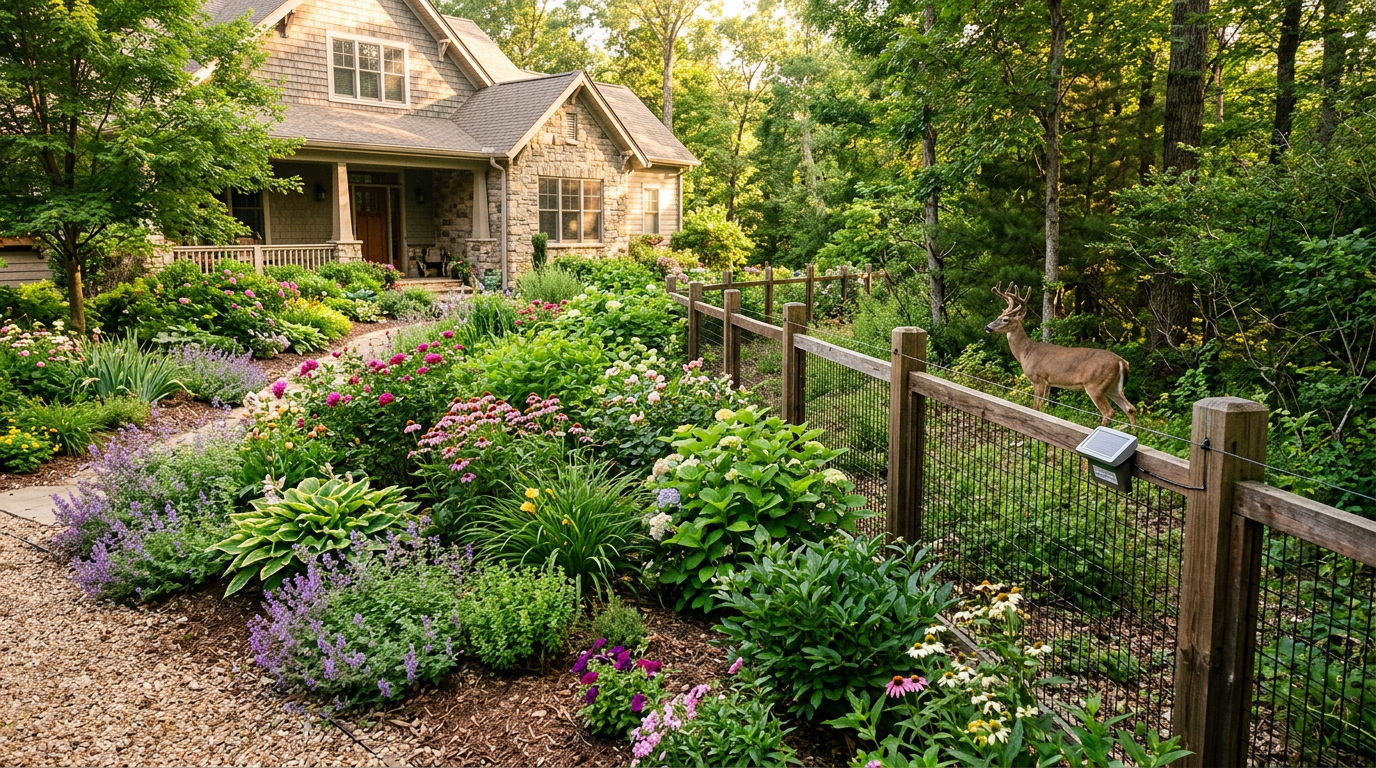
The short answer: block, shock, and make it taste bad
Deer aren’t picky. If it’s soft and green, it’s dinner. The reliable plan is layered: a tall fence (or electric polytape), plus scent/taste repellents, plus smarter planting. We’ve kept hostas, roses, and veggies alive using this exact combo—no magic, just setup that deer respect.
Why deer hit your garden (and how hard)
Deer browse hardest in late winter/early spring (new growth) and again in late summer/fall (bulking up). If you have hostas, tulips, daylilies, beans, or arborvitae, you’re advertising a buffet. Numbers don’t lie: wildlife cause over $1 billion in U.S. agricultural damage annually, with deer a leading culprit (https://www.aphis.usda.gov/aphis/ourfocus/wildlifedamage). Translation: they’re persistent, and your garden isn’t special.
If your hostas look like celery stubs, here’s how to confirm and fix fast: What Is Eating My Hostas?
Build a fence that actually works (the best fix)
- Height: 7.5–8 ft. That’s the line between “hassle” and “breakfast.” 6 ft is risky unless you add depth or electric.
- Material picks:
- Tenax C‑Flex 7.5' x 100' poly deer fence: ~$180.
- Welded wire 2"x4" mesh: ~$130 per 4' x 100' roll (stack two for height).
- DeerBusters 7.5' starter kit with posts/ties: ~$299–$399.
- Posts: 8–10 ft metal T‑posts or heavy-duty fiberglass, 10–12 ft spacing; brace corners.
- Gate: Keep it as tall as the fence; low gates are deer on-ramps.
Pro tip: If 8 ft feels overkill, do a two‑row “depth” fence—outer 3–4 ft tall at the boundary, inner 5–6 ft tall 3–4 ft inside. Deer hate the jump + depth combo.
Electric options that train deer fast
Electric works when you bait it (yes, really) so deer touch noses first.
- Controller: Zareba 10‑Mile AC Charger ~$60, Gallagher S10 Solar ~$139, or Parmak Solar 6‑V ~$150.
- Tape/wire: 1/2" polytape (~$30 per 650 ft) is highly visible; step-in posts every 20–30 ft.
- Layouts that work:
- 3‑strand: 15", 30", 43" heights.
- 5‑strand (hot/ground alternating) for high pressure.
- Bait: Dab peanut butter on foil tabs every 20–30 ft. It sounds goofy. It’s deer behavior science.
We’ve run a 3‑strand polytape around veggie beds for two seasons; one nose-zap per newcomer, and browsing stopped within a week.
Repellents that don’t stink at their job (well, they do)
Repellents are for edges and emergencies—not a substitute for barriers.
- Egg/blood based work best. Rotate every 2–4 weeks and after heavy rain.
- Picks we actually use:
- Liquid Fence Deer & Rabbit Repellent Concentrate (40 oz): ~$23. Putrescent egg + garlic. Reapply often.
- Plantskydd (2.2 lb powder): ~$39. Blood‑based, sticks longer—up to several weeks in growing season.
- Bonide Repels‑All RTU (32 oz): ~$16. Mixed actives; decent as a rotation partner.
- Application: Hit new growth first; spray from multiple angles. Don’t miss undersides—deer won’t.
For plant-by-plant pest triage, see Aphids on Roses: How to Get Rid of Them.
Plant and protect smarter
- Favor deer‑resistant plants: lavender, Russian sage, daffodils, alliums, yarrow, catmint, boxwood, hellebores.
- Avoid candy: hostas, tulips, daylilies, arborvitae, hydrangea (many), beans, peas.
- Cages/netting: 7' deer net over beds; wire cages for roses and new shrubs. Quick, cheap, effective.
- Use real lists: Rutgers rates plants by deer resistance (https://njaes.rutgers.edu/deer-resistant-plants/). Design from that list, then cage your must‑haves.
We’ve kept “forbidden” hostas by caging early spring flushes, spraying, then removing cages once leaves toughen.
Protect trees, beds, and edges
- Trunks: Use rigid guards or 2"x4" wire around young trees (18–24" diameter) to prevent rubbing.
- Shrubs: Wrap with 2"x4" wire up to 5 ft until established.
- Motion sprinklers: Orbit Yard Enforcer: ~$69–$89. Pair with repellents for night raids.
- Track nighttime culprits: tiny holes or tunneling can signal other visitors—see Tiny Holes in Lawn at Night and How to Get Rid of Moles.
Gadgets and myths: what to skip
- Ultrasonic gizmos: Deer don’t read marketing copy.
- Scent hacks (soap, human hair): Brief novelty, then ignored.
- Fishing line only: Works until a spook/jump. Add height or electric.
- Dogs: Great deterrent… until they nap. Don’t rely on part‑time security.
Bottom line: Build a barrier deer respect, then use scent/taste and plant choice to keep pressure low all season.
Frequently asked
What height fence keeps deer out for good?+
Go 7.5–8 feet. At 6 feet, hungry deer can still clear it. If 8 ft isn’t an option, use a 5–6 ft inner fence plus a 3–4 ft outer fence set 3–4 ft apart to create depth. Electric polytape (3–5 strands) is a strong alternative when baited.
Do deer repellents actually work?+
Yes—if you use the right type and stay consistent. Egg- or blood-based repellents (e.g., Liquid Fence, Plantskydd) deter browsing, but you must reapply every 2–4 weeks and after heavy rain. Rotate products to avoid habituation and spray new growth first.
What are the best plants to grow if deer are a problem?+
Choose deer-resistant picks like lavender, daffodils, alliums, yarrow, catmint, hellebores, Russian sage, and boxwood. Avoid favorites like hostas, tulips, daylilies, arborvitae, and beans. Use regional resistance lists (e.g., Rutgers) and still cage prized plants.
Are motion-activated sprinklers or lights enough by themselves?+
They help, especially for night browsing, but they’re best as part of a layered plan. A motion sprinkler (e.g., Orbit Yard Enforcer) plus repellents can reduce pressure, but an 8‑ft fence or electric polytape is what stops determined deer reliably.
Can I use fishing line to keep deer out?+
A single fishing line perimeter may confuse deer temporarily, but it’s not reliable. Add height and depth (two lines at different distances) or, better, switch to 3–5 strands of visible electric polytape and bait it so deer learn to avoid the boundary.