
Aphids on Roses: How to Get Rid of Them Fast & For Good
Tired of those tiny green bugs wrecking your prize-winning blooms? We’ll show you how to get rid of aphids on your roses for good with simple, field-tested methods.
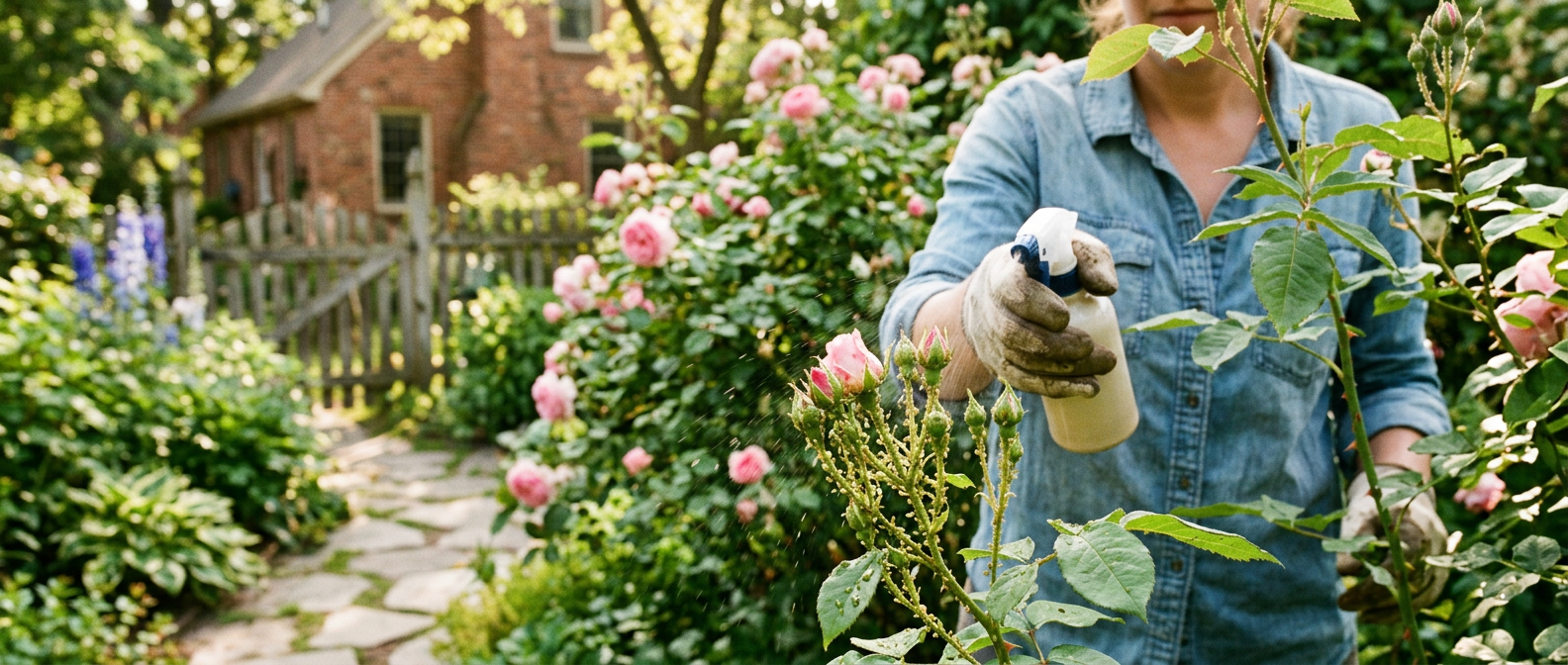
It’s a perfect June morning. You walk out with your coffee, ready to admire your roses, only to find the new buds and tender leaves are covered in… things. Tiny. Green. Gross. Aphids. They’ve turned your pride and joy into their personal all-you-can-eat buffet.
Don't panic. Don't reach for the harshest chemical you can find. And definitely don't let some garden center gatekeeper tell you that you need a master's degree in horticulture to fix it. Getting rid of aphids on roses is straightforward if you follow a logical, step-by-step process. We're going to walk you through the exact methods we use, from the dead-simple physical fixes to the long-term strategic plays that keep them from coming back.
First, Know Your Enemy: What Are Aphids?
Aphids are small, pear-shaped insects, usually 1-3mm long. While the Rose Aphid (Macrosiphum rosae) is often green, they can also be pink, yellow, or black. You'll almost always find them clustered together on the juiciest parts of the plant: new shoots, flower buds, and the undersides of young leaves.
They feed by piercing the plant tissue with their needle-like mouthparts and sucking out the sap. This feeding process stresses the plant, causing leaves to curl, yellow, and drop. Buds may become deformed or fail to open. As they feed, they excrete a sticky, sugary waste product called “honeydew.” This honeydew is not only gross, but it can lead to a secondary problem: a black, sooty mold that grows on the sticky surface, blocking sunlight and further weakening your plant.
Their life cycle is the stuff of horror movies. A single aphid can give birth to up to 80 live offspring in a week without even mating. With a generation time of about a week, this means a single aphid could theoretically lead to millions of descendants in a single season under ideal conditions (University of California IPM Program). This is why a small problem can become a massive infestation almost overnight.
Step 1: The Blast-Off (Physical Removal)
Before you buy a single product, start with the easiest, cheapest, and surprisingly effective method: water.
Take your garden hose, attach a spray nozzle (one with a “jet” setting is ideal), and simply blast the aphids off the plant. Pay special attention to the undersides of leaves and the clusters around the buds. The high-pressure stream is more than enough to dislodge them.
Most dislodged aphids won't be able to find their way back onto the plant and will starve or be eaten by ground predators. Is it a permanent solution? No. But for a light to moderate infestation, doing this every few days can be enough to keep the population in check.
For very small, localized clusters, you can also just put on a pair of garden gloves and wipe them off. Squish. Done. It's a bit grim, but undeniably effective.
Step 2: Call in the Mercenaries (Beneficial Insects)
If you want a longer-term, self-regulating solution, it's time to bring in the cavalry. Releasing natural predators is the single best way to manage aphids without sprays.
Your top two choices are Ladybugs and Green Lacewings.
- Ladybugs: A single ladybug can eat up to 50 aphids a day. You can order them online; a container of 1,500 ladybugs from a supplier like NaturesGoodGuys costs about $15. To release them, lightly mist your rose bushes in the evening (they're less likely to fly away at dusk) and gently shake them out onto the plants. They’ll get right to work.
- Green Lacewings: The larval stage of the lacewing, often called an “aphid lion,” is even more voracious than a ladybug. They will hunt down and devour aphids with extreme prejudice.
This approach turns your garden into a balanced ecosystem. It's the same principle as managing pests elsewhere; instead of just killing grubs, you learn to identify them and then apply a targeted fix like using beneficial nematodes or creating a healthier soil environment. It's about working with nature, not just fighting it, whether you're dealing with grubs in the lawn or aphids on your roses.
Step 3: All-Natural Sprays That Actually Work
If the water blast isn't cutting it and the ladybugs are still in the mail, it's time for a targeted spray. We always recommend starting with organic, less-toxic options. They are just as effective and much safer for you, your pets, and the good bugs in your garden.
Option A: Insecticidal Soap
You can buy a commercial insecticidal soap, or you can make your own for pennies.
- DIY Recipe: In a one-quart spray bottle, mix 1 quart of water with 1 teaspoon of a simple liquid soap like Dr. Bronner's Unscented or basic Dawn (avoid antibacterial versions or anything with degreasers or bleach).
Shake it up and spray directly onto the aphids. The soap works by dissolving their waxy outer coating, causing them to dehydrate and die. It only works on contact, so be thorough. Spray in the morning or evening to avoid scorching the leaves in the hot sun. ALWAYS test your DIY spray on a single leaf and wait 24 hours to ensure it doesn't cause damage.
Option B: Neem Oil
This is our go-to solution for dozens of garden problems. Neem oil, derived from the seeds of the neem tree, is a powerhouse. It's an insecticide, a fungicide, and a miticide all in one. It works by disrupting the insects' hormonal systems, preventing them from eating, molting, and reproducing. It’s not an instant kill, but it’s incredibly effective.
We recommend a ready-to-use product like Bonide Ready-to-Use Neem Oil, which runs about $12 for a 32oz spray bottle. As with any oil, spray in the evening to prevent leaf scorch and to minimize harm to visiting pollinators like bees, who are less active at that time. Thoroughly coat the entire plant, especially the undersides of the leaves.
Step 4: Don't Forget the Ants
Ever notice ants crawling all over your aphid-infested roses? That's not a coincidence. Ants have a symbiotic relationship with aphids. They “farm” the aphids, protecting them from predators in exchange for a steady supply of that sweet honeydew.
If you see a busy trail of ants leading up your rose bush, you will never fully get rid of the aphids until you get rid of the ants.
Do not spray the rose bush with ant killer. The most effective method is to use a targeted bait station. Products like Terro Liquid Ant Baits (around $6 for a 6-pack) are perfect. The ants take the sweet liquid bait—which they think is a superior form of honeydew—back to their colony, wiping it out from the inside. Place the bait stations on the ant trails near the base of your rose bush. Controlling these ground-level partners in crime is just as important as dealing with pests you see above ground, whether it's noticing mushrooms growing in your lawn or finding mole tunnels.
Step 5: Long-Term Prevention
Once you’ve won the battle, here’s how to win the war and keep aphids from coming back.
-
Plant Health is Key: We've had clients who completely eliminated their recurring aphid problems just by changing how they fertilize. Aphids are drawn to lush, weak, nitrogen-rich growth. Stop using high-nitrogen “rose foods.” Instead, use a balanced, slow-release granular fertilizer or top-dress with compost. A strong, healthy plant with sturdy growth is far less appealing to pests.
-
Companion Planting: Plant aphid-repelling plants near your roses. Chives, garlic, and marigolds are excellent deterrents. Conversely, you can plant a “trap crop” like nasturtiums nearby. Aphids love nasturtiums even more than roses. They will flock to the trap crop, which you can then remove and destroy, taking the infestation with it.
-
Encourage Predators: Make your garden a haven for ladybugs and other beneficials. Plant things like dill, fennel, yarrow, and alyssum, which provide nectar and pollen for the adult predators. It's a holistic strategy—you're not just trying to kill pests, you're trying to build a garden that's less welcoming to pests in the first place, similar to how you'd use smart planting to keep deer out of your garden.
By following these steps—from the immediate blast of water to the long-term strategy of companion planting—you'll be able to confidently handle any aphid problem that comes your way. Your roses will thank you for it.
Frequently asked
What is the fastest way to get rid of aphids on roses?+
The fastest way is a strong blast of water from a hose to physically knock them off the plant. For immediate killing after that, a direct spray of insecticidal soap will work on contact. This provides a quick knockdown while you plan a longer-term strategy.
Does dish soap really work on aphids?+
Yes, a simple solution of a few drops of non-antibacterial dish soap in a quart of water can kill aphids on contact. The fatty acids in the soap dissolve their protective outer layer, causing dehydration. Always test on a single leaf first to ensure it doesn't damage your rose bush.
What causes aphids on roses in the first place?+
Aphids are drawn to the tender, new growth of roses, which is rich in the sap they feed on. Over-fertilizing with nitrogen creates an abundance of this weak, leafy growth, making your roses a prime target. They are also common garden pests that spread easily.
Will aphids kill my rose bush?+
While a severe, unchecked infestation can weaken a rose bush, stunt its growth, and reduce flowering, it's rare for aphids alone to kill a mature, healthy plant. The bigger risks are the secondary sooty mold that grows on their honeydew and the potential transmission of plant viruses.
Are the green bugs on my roses aphids?+
Most likely, yes. The most common aphids on roses are small, pear-shaped, and green, often clustering on new buds and the undersides of leaves. However, aphids can also be pink, black, or yellow. If they are tiny and clustered on new growth, they are almost certainly aphids.