
When to Plant Tomatoes in Georgia: The Definitive Guide
Stop guessing and start planting. Here's our no-nonsense guide to getting the timing just right for a massive tomato harvest in the Peach State.
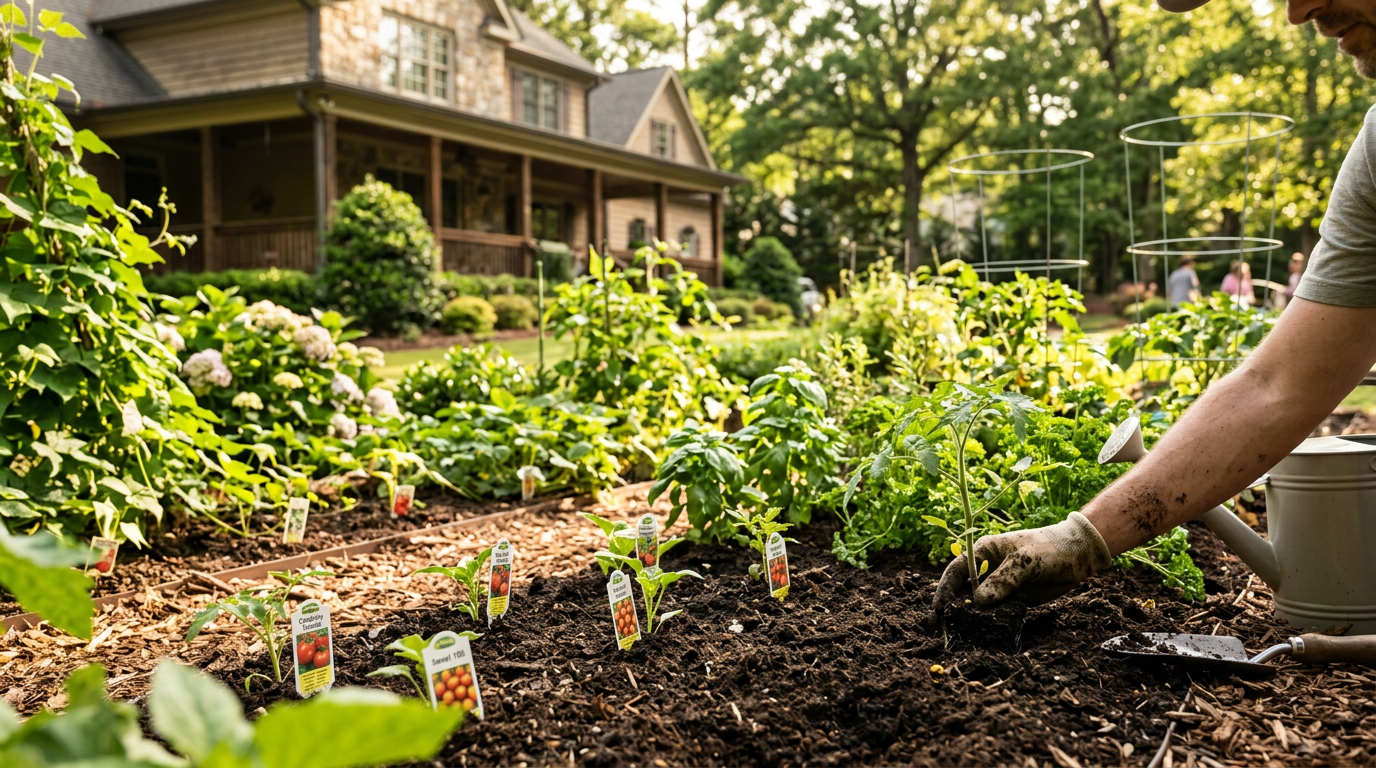
There's nothing better than a homegrown tomato. We're not talking about those pale, mealy excuses you find at the grocery store in January. We're talking about a sun-warmed, perfectly ripe, straight-from-the-vine flavor bomb. And if you live in Georgia, you're in one of the best places to grow them—if you get the timing right. The difference between a bumper crop and a sad, fungus-ridden mess often comes down to a few weeks. Let's cut through the noise and give you the real-deal schedule for planting tomatoes across Georgia, from the mountains to the coast.
Understanding Georgia's Planting Zones (And Why They Matter)
First things first: Georgia isn't one single climate. A gardener in Blairsville has a wildly different experience than one in Valdosta. The USDA Plant Hardiness Zone map is your best friend here. It divides the country based on average minimum winter temperatures, which dictates your last frost date—the magic moment when it's safe to plant tender veggies like tomatoes.
Georgia stretches from Zone 6b in the highest elevations of the Blue Ridge Mountains to a humid, subtropical Zone 9a along the Florida border. Here's a quick breakdown:
- North Georgia (Atlanta, Athens, Gainesville): Mostly Zones 7a and 7b. You have a shorter growing season bracketed by colder winters and intense summer heat.
- Middle Georgia (Macon, Augusta, Columbus): Mostly Zones 8a and 8b. The season starts earlier, but the summer heat arrives faster and sticks around longer.
- South Georgia (Savannah, Tifton, Valdosta): Zones 8b and 9a. This is practically a year-round growing climate, similar to our northern neighbors in the sunshine state, who have their own unique planting calendar. You can see how they manage their seasons in our Florida Lawn Care Schedule.
Knowing your zone tells you your average last frost date, which is the cornerstone of your planting calendar.
The Best Time to Plant Tomatoes in North Georgia
If you're in the Atlanta metro area or anywhere in the northern third of the state (Zone 7), your magic date is April 15th. That's the generally accepted average last frost date. But here's the Dirt Cheap Genius pro tip: don't rush it.
We've seen late freezes hit Atlanta as late as the third week of April. More importantly, the soil is often still too cold. Tomatoes hate cold, wet soil. It stunts their growth and makes them susceptible to disease right out of the gate. In our own test gardens right here in the Atlanta suburbs, we've found that waiting until the last week of April or the first week of May almost always pays off with stronger, more vigorous plants that quickly overtake those planted two weeks earlier.
Your game plan:
- Buy your plants in mid-April from a quality local nursery like Pike Nurseries or a smaller grower at the Peachtree Road Farmers Market.
- Harden them off. This is non-negotiable. For a week, bring your plants outside for a few hours a day, gradually increasing their exposure to sun and wind.
- Watch the 10-day forecast. Once you see a clear stretch of nights above 50°F, it's go-time. Plant them deep, burying about two-thirds of the stem to encourage a massive root system.
Planting Tomatoes in Middle and South Georgia
For those in Middle and South Georgia (Zones 8 and 9), your timeline is pushed up significantly. Your primary enemy isn't the last frost; it's the first heatwave.
- Middle Georgia (Zone 8a): Your last frost date is around April 1st. You can safely plant hardened-off seedlings a week or two after that, aiming for mid-April.
- South Georgia (Zone 8b/9a): Your last frost is historically around March 15th. You can get your tomatoes in the ground as soon as late March, which is crucial for beating the heat.
Why the rush? Most tomato varieties stop setting fruit when daytime temperatures consistently exceed 90°F and nighttime temps stay above 75°F. In South Georgia, that can happen by early June. Your goal is to get the plants established and flowering before that killer heat arrives. This is a common challenge in hot climates, something gardeners in the Lone Star State also know well, as we discuss in our Lawn Care in Texas guide.
Your strategy is to maximize the spring window. Have your beds prepped and ready to go in February so you can plant the moment the frost danger has passed.
Our Favorite Tomato Varieties for Georgia Gardens
Variety selection is everything in the South. You need battle-tested tomatoes that can handle humidity, resist common fungal diseases like early blight, and tolerate heat. Forget the delicate, disease-prone heirlooms unless you're an advanced gardener with time for serious coddling. We recommend starting with proven hybrids.
- Best All-Around Slicer: 'Celebrity'. This one is a workhorse. It's a determinate variety (meaning it grows to a compact size and sets fruit all at once), and it has great resistance to common diseases. You'll find seedlings at Home Depot or Lowe's for about $4.98 each.
- Best Heat-Tolerant: 'Homestead 24' or 'Heatmaster'. These varieties are specifically bred to continue setting fruit at higher temperatures. A must for Middle and South Georgia.
- Best Paste Tomato: 'Roma VF'. If you want to make sauce, this is your guy. The 'VF' indicates it's resistant to Verticillium and Fusarium wilts, two common soil-borne diseases in Georgia.
- Best Cherry Tomato: 'Super Sweet 100'. An indeterminate vine that will produce an unending supply of incredibly sweet cherry tomatoes all summer long, even when your larger slicers have given up in the heat.
- Best Heirloom for Georgia: 'Cherokee Purple'. If you must grow an heirloom, this is the one. It has legendary flavor and, for an heirloom, is surprisingly resilient in our climate. Just give it good air circulation.
Soil Prep: Beating Georgia's Infamous Red Clay
Let's talk about the elephant in the room: that dense, sticky, red clay soil. Planting directly into unimproved Georgia clay is a recipe for disaster. It compacts easily, drains poorly, and can literally choke your plant's roots. But it's not a death sentence; it's a foundation.
DO NOT ADD SAND. We can't stress this enough. Mixing sand into clay creates a material that's basically homemade concrete. You'll make the problem worse.
Instead, you need to add massive amounts of organic matter. This improves drainage, aeration, and nutrient content. For an in-ground bed, your goal is to amend the top 10-12 inches of soil. We use a simple recipe:
- Dig out your planting area.
- Mix the native clay you removed with equal parts composted manure (like Black Kow, which runs about $8.99 a bag) and a good quality soil conditioner or pine bark fines (like Pike's Premium Planting Mix for about $10.99).
- Refill the hole with this new mixture.
For raised beds, you have it even easier. A great mix is 50% high-quality topsoil and 50% compost. While you're at it, add a source of calcium, like dolomitic lime or crushed eggshells, to the planting hole. This is the single best way to prevent Blossom End Rot later in the season. Managing soil and water is key to succeeding in tough climates, a principle we also explore in our guide to Southern California Drought Landscaping.
According to the University of Georgia Extension, proper soil testing is a critical first step for any Georgia gardener. With soil pH often ranging from a highly acidic 4.5 to a more neutral 6.5, a $15 soil test from your local county extension office can save you hundreds in failed plants and wasted amendments by telling you exactly what your soil needs. (Source: https://extension.uga.edu/publications/detail.html?number=C871)
Planting for a Second Harvest (Yes, Really)
Most gardeners pack it in when the July heat cripples their spring crop. But you can get a whole second round of tomatoes in the fall. This is called succession planting, and it separates the amateurs from the pros.
The key is to plant a second round of seedlings around July 4th to mid-July. This feels completely insane—planting in the peak of summer—but it works. You'll need to use heat-tolerant, fast-maturing varieties (look for ones with ~70 days to maturity). 'Phoenix', 'Heatmaster', or even 'Celebrity' can work.
These plants will struggle a bit through August, but as the temperatures begin to cool in September, they'll explode with new growth and set a huge crop of fruit that you can harvest from October until your first frost (usually mid-November in Atlanta).
Provide some afternoon shade during the hottest part of summer and keep them consistently watered. You’ll be eating fresh tomatoes with your Thanksgiving turkey.
Common Georgia Tomato Problems & How to Fix Them
Growing tomatoes in Georgia's humidity is an extreme sport. You're going to face some challenges. Here are the three most common and how to deal with them without tearing your hair out.
- Blossom End Rot (BER): The bottom of your tomato turns black and leathery. This isn't a disease; it's a calcium uptake problem caused by inconsistent watering. The clay soil holds water, then dries and cracks, stressing the roots. Fix: Water deeply and consistently. Use a heavy layer of mulch (3-4 inches) of pine straw or wood chips to keep soil moisture even. Amending with lime at planting also helps.
- Early Blight & Septoria Leaf Spot: Yellowing leaves with dark spots, starting from the bottom of the plant and moving up. This is a fungal issue, and it's almost guaranteed in our humidity. Fix: Prune off the lower 12 inches of branches once the plant is established to prevent soil splash. Ensure good air circulation by spacing plants at least 3 feet apart. At the first sign of spotting, spray with a liquid copper fungicide. It won't cure affected leaves, but it will stop the spread.
- Tomato Hornworms: You go out one morning and entire branches are stripped bare. Look for a giant green caterpillar the size of your thumb. Fix: Don't panic and spray harsh chemicals. There are usually only one or two. Go on a search and destroy mission and hand-pick them off. Drop 'em in soapy water. It's oddly satisfying.
Frequently asked
What's the best month to plant tomatoes in Georgia?+
April is the best month for most of Georgia. Plant in late April in North Georgia to be safe from frost. In Middle and South Georgia, you can plant in early to mid-April to get a head start before the summer heat. Always check your 10-day forecast.
Can I plant tomatoes in March in Georgia?+
It's risky for most of the state. In the warmest parts of South Georgia (Zone 8b/9a), you can plant hardened-off seedlings in late March. For Atlanta and North Georgia, a March planting is very likely to be killed by a late frost. It's better to wait.
What are the best tasting tomatoes to grow in Georgia?+
For incredible flavor, the heirloom 'Cherokee Purple' is a local favorite, though it requires more care. For a reliable, great-tasting slicer, 'Celebrity' is a fantastic choice. And for snacking, it's hard to beat the intense sweetness of 'Super Sweet 100' cherry tomatoes grown in the Georgia sun.
How do you prepare Georgia clay soil for tomatoes?+
Do not add sand. The key is to add lots of organic matter. Mix your native red clay with equal parts composted manure (like Black Kow) and a soil conditioner or pine bark fines. This improves drainage and adds nutrients, preventing the clay from compacting around the roots.
Can you grow a fall crop of tomatoes in Georgia?+
Yes! This is an excellent pro strategy. Plant heat-tolerant, fast-maturing seedlings in early to mid-July. They will grow through the summer heat and produce a large crop in the cooler weather of September and October, right up until the first frost.