
Texas Lawn Care: Your Seasonal No-Nonsense Guide to a Green Lawn
Maintaining a healthy lawn in Texas is a battlefield. Between the scorching summers and unpredictable winters, your grass needs a strategy. We've got it.
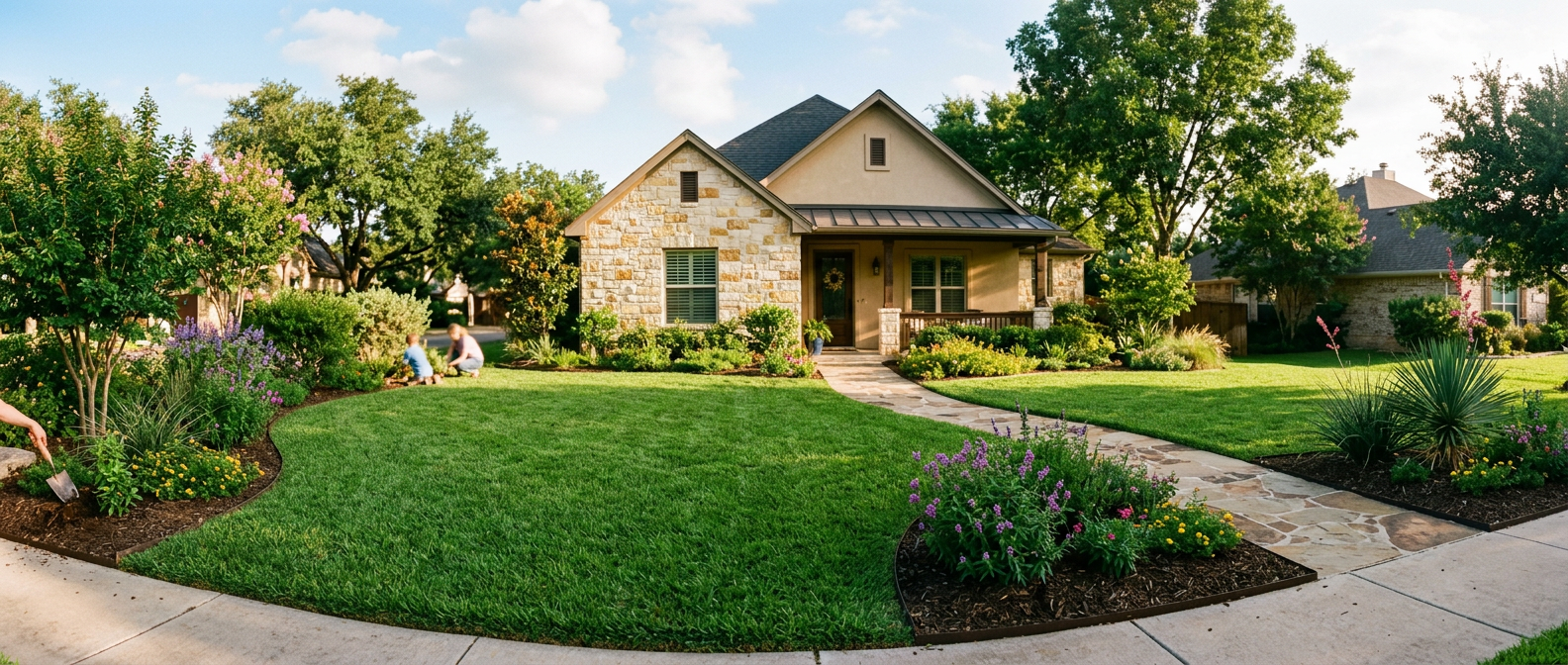
Look, we get it. Keeping a lawn pristine in Texas feels like a full-time job. The heat is relentless, the droughts are real, and then there's that random cold snap that just messes with everything. Forget those vague, one-size-fits-all guides. We're breaking down Texas lawn care with a no-nonsense, seasonal approach that actually works for the Lone Star State. This isn't just about throwing some fertilizer down; it's about understanding your specific conditions, whether you're battling the humidity of Houston or the dry heat of El Paso.
We've covered the basics before in our original Texas Lawn Care: Your Seasonal No-Nonsense Guide, but let's refresh our memory and dive deeper into the nitty-gritty that makes a difference.
Picking the Right Grass for Your Texas Yard
First things first: you can't fight nature. Trying to grow Kentucky Bluegrass in San Antonio is like trying to ice skate uphill in July – pointless and sweaty. For most of Texas, you're going to want warm-season grasses. The heavy hitters are:
- Bermudagrass: This stuff is tough as nails, tolerates heat and drought like a champ, and recovers quickly from damage. It goes dormant in winter, turning brown, but springs back. Great for full sun. Common varieties include Tifway 419 or Celebration. You can grab a 50 lb bag of Jonathan Green Black Beauty Texas Bermuda Grass Seed for about $60-70 from local nurseries.
- St. Augustinegrass: Prefers a little more shade than Bermuda and thrives in the humid climates of East and Coastal Texas. It forms a dense, attractive turf but is less drought-tolerant than Bermuda and gets hammered by chinch bugs. Varieties like Floratam (less cold tolerant) or Raleigh (more cold tolerant) are popular. Installation of St. Augustine sod can run you $0.70-$1.20 per square foot, labor included.
- Zoysiagrass: A good middle-ground option offering good drought tolerance, decent shade tolerance, and a fine texture. It's slower to establish but forms a very dense, low-maintenance lawn once mature. Emerald or Zeon are popular choices. It's usually a bit pricier for sod, often $1.00-$1.50 per square foot.
For those in regions bordering New Mexico or the Panhandle, you might even consider some native turfgrasses or specific Buffalo grass varieties, which are extremely drought-tolerant and require minimal input once established. We've seen some impressive transformations with these, especially if you're looking for Arizona Desert Landscaping Ideas That Don't Suck – not exactly Texas, but the principles of low-water landscaping carry over.
Spring in Texas: Waking Up the Lawn
Spring in Texas is a tricky mistress. One week it's 80 degrees, the next it's freezing. But your lawn is waking up, and it needs a kickstart. We're talking generally March through May.
- Targeted Fertilization: Once soil temperatures consistently hit 65°F (usually late March/early April), it's time for the first feed. Use a slow-release nitrogen fertilizer. We recommend a 3-1-2 or 4-1-2 ratio (e.g., 15-5-10 or 20-5-10). Avoid anything too heavy on nitrogen if your lawn is still struggling. A 5,000 sq ft bag of Lesco 19-0-7 with Dimension (pre-emergent) typically runs about $50-60.
- Weed Control: This is your primary battleground. Apply a pre-emergent herbicide when soil temperatures are 50-55°F (late February/early March) to stop crabgrass and other summer annuals before they sprout. If you miss that window, spot treat with post-emergent herbicides as needed. Don't spray your entire lawn if only a few weeds exist – that's just wasteful. Glyphosate (Roundup) is fine for spot treatment on non-grass weeds, but be careful. For broadleaf weeds in your turf, something like Spectracide Weed Stop for Lawns (around $15-20) can work.
- Mowing High: Start mowing as soon as your grass shows consistent growth. The golden rule for warm-season grasses is mow high. We're talking 3-4 inches. This encourages deeper root growth, shades out weeds, and helps the soil retain moisture. Do NOT scalp your lawn in spring; it stresses the turf.
Summer Survival for Your Texas Lawn
This is where most Texas lawns either thrive or flatline. June through August brings the heat, the sun, and often, the watering restrictions. Watering smarter, not harder, is the key.
- Deep and Infrequent Watering: Forget daily sprinkles. You want to water deeply (6-8 inches into the soil) about once a week or every 10 days, depending on rainfall and grass type. This encourages deep root growth. Early morning (4-8 AM) is best to minimize evaporation and disease. For those curious about specific watering needs, most Texas municipalities have watering restrictions, so check your local city's website (e.g., San Antonio Water System, Dallas Water Utilities). A good quality sprinkler timer like the Rachio 3 (around $200) can pay for itself in water savings.
- Monitor for Pests and Diseases: Chinch bugs love St. Augustinegrass in hot, dry conditions. Fire ants are a constant menace across the state. Grub worms are also common. Keep an eye out for brown patches, wilting, or unusual discoloration. For chinch bugs, products containing bifenthrin like Talstar P (around $60-70 for a large bottle) are effective. For fire ants, broadcast granular baits like Amdro Fire Ant Bait (about $10-15) work well.
- Avoid Fertilizing in Peak Summer: Unless absolutely necessary (e.g., a massive rain washed out your spring application), avoid heavy fertilization during July and August. Adding nitrogen during extreme heat can burn your lawn and stress it further. If you must do something, apply a light foliar feed or a potassium-heavy organic compound.
Fall in Texas: Preparing for Dormancy
September through November is about recovery and preparation. This is a crucial time for Texas lawn care.
- Another Fertilization Round: As temperatures cool (usually late September/early October), apply a balanced or slightly potassium-heavy fertilizer (e.g., 1-0.5-1 or 15-0-15). This helps your grass recover from summer stress and build up energy reserves for winter dormancy. This is also a good time to consider a winterizer fertilizer if your grass species benefits from it, providing nutrients for spring green-up.
- Winter Weed Control: Apply a fall pre-emergent for winter annuals like clover and henbit. This is just as important as your spring application. If you have cool-season weeds already sprouting, spot treat with a post-emergent.
- Leaf Management: Don't let leaves smother your grass! Rake, mulch, or blow them regularly. A thick layer of leaves blocks sunlight and can promote fungal diseases. We've seen too many good lawns ruined by neglect on this front.
Winter in Texas: Rest and Planning
December through February is your lawn's time to chill. Warm-season grasses in Texas will go dormant and turn brown. Don't panic; it's normal.
- Minimal Activity: You won't be mowing much, if at all. Watering can generally be reduced significantly, only necessary during prolonged dry spells to prevent desiccation. No fertilization is needed.
- Equipment Maintenance: Use this time to inspect and maintain your lawnmower, sharpen blades, and clean up your tools. A sharp blade makes a massive difference in the health of your grass. Dull blades tear the grass, leading to ragged cuts that are more susceptible to disease.
- Soil Testing: Winter is an excellent time to get a soil test done. Local extension offices (like Texas A&M AgriLife Extension) often offer this service for a nominal fee ($10-20). This tells you exactly what your soil needs, so you're not guessing with your fertilizer applications.
We've been through the ringer with our own Texas lawns. We know the challenges. For folks wondering When to Plant Tomatoes in Georgia: The Definitive Guide, it's a completely different ballgame down there, but the principle of seasonal planning remains the same. Understanding your local climate and adapting your routine is non-negotiable.
A 2022 study by Texas A&M AgriLife Extension indicated that residential water use for irrigation can account for over 50% of total household water consumption in urban areas of Texas during summer months (source: AgriLife Today). This highlights the critical importance of efficient irrigation. Consider smart controllers or simply being diligent about your watering schedule.
Common Texas Lawn Care Mistakes to Avoid
We've seen it all, and usually, it's preventable. Don't be that neighbor who makes these blunders:
- Overwatering: Seriously, it's the most common killer. Leads to shallow roots, fungal diseases, and wasted money.
- Mowing Too Short: We cannot emphasize this enough. Scalping your lawn stresses it out, makes it susceptible to heat damage, and encourages weeds.
- Fertilizing at the Wrong Time: Applying nitrogen in the middle of a scorching August just makes your grass struggle even more.
- Ignoring Soil Health: Your soil is the foundation. Neglect it, and your grass will show it. Regular soil tests and amendments (compost is king) make a huge difference.
- Not Calibrating Sprinklers: Most people just turn them on. Do a tuna can test to see how much water your sprinklers are actually delivering over a set period. It's eye-opening.
Final Thoughts on Texas Lawn Care
Caring for a lawn in Texas is a marathon, not a sprint. It demands attention to detail, adaptability to the unpredictable weather, and a good understanding of your specific grass type and local conditions. By following this seasonal guide and avoiding common pitfalls, you won't just have a green lawn; you'll have a resilient one. And a resilient lawn is a beautiful lawn, especially when the Texas heat tries its best to beat it down. Remember, we're not aiming for perfection; we're aiming for practical, genius results.