
Texas Lawn Care: Your Seasonal No-Nonsense Guide
Texas lawn care isn't a one-size-fits-all endeavor. Our updated seasonal guide cuts through the noise to give you practical, actionable advice for a thriving yard in the Lone Star State.
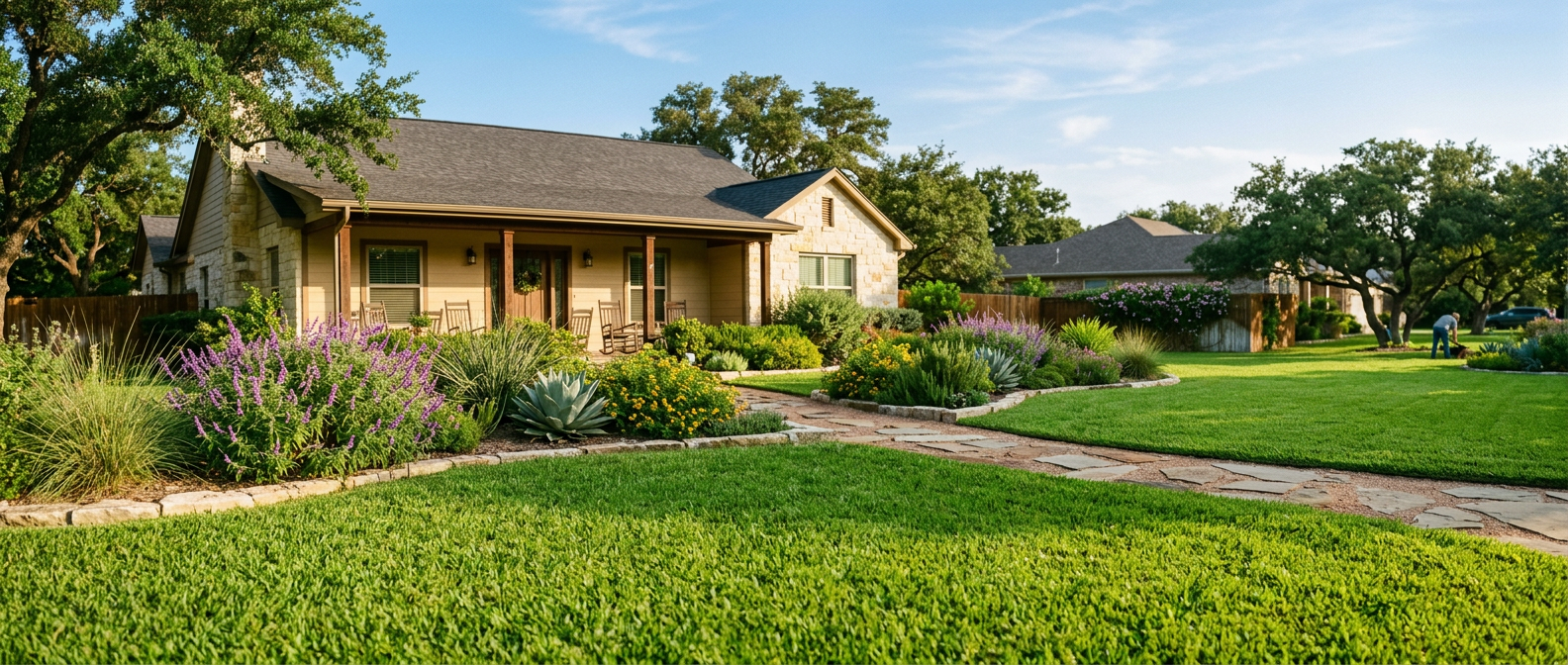
Texas. It's a big state with a big heart, and just as big a variety of climates. From the humid Gulf Coast to the arid West, proper lawn care in Texas isn't just about throwing some seeds down and hoping for the best. It's about understanding your specific conditions and adapting your approach. We're not about complicated jargon; we're about getting results without breaking the bank or your back.\n\nThis isn't your grandma's gardening blog. We're talking real talk for real Texans who want a yard they can be proud of, whether you're in Dallas, Houston, or El Paso. We've updated our original Lawn Care in Texas: A No-Nonsense Seasonal Guide to bring you the latest, most direct advice because, frankly, some things change, and some things just get clearer with experience.\n\n## Understanding Your Texas Turf: Grass Types That Thrive\n\nThe first step to great Texas lawn care is knowing what type of grass you're growing. The vast majority of Texas lawns feature warm-season grasses. Forget about fescue and bluegrass unless you're in the extreme northern panhandle; those cool-season varieties generally melt in our summer heat.\n\n### St. Augustine Grass\n\nKing of the shade in many parts of East and Central Texas, St. Augustine is characterized by its broad, flat blades and deep green color. It spreads aggressively via stolons, forming a dense carpet. It's relatively high maintenance, demanding consistent water and susceptible to fungal issues like grey leaf spot and take-all root rot, especially in humid conditions. On the flip side, it recovers well from damage and chokes out many weeds.\n\n### Bermuda Grass\n\nIf you've got full sun and want a tough, drought-tolerant lawn that can stand up to Texas football games and kids' soccer practice, Bermuda is your huckleberry. It's common across all of Texas, known for its fine texture and impressive recuperative abilities. It spreads by both stolons and rhizomes, making it incredibly resilient. The downside? It's a nitrogen hog and can be invasive if not properly edged.\n\n### Zoysia Grass\n\nA fantastic middle ground, Zoysia offers a finer texture than St. Augustine and better shade tolerance than Bermuda. It's also remarkably drought-tolerant once established and forms a dense, beautiful turf. The catch? It's slow to establish and can be pricier initially. Varieties like Emerald and Palisades are popular choices for Texas homeowners seeking that golf-course look without the constant upkeep of some other turf types.\n\n## Spring into Action: Early Season Lawn Care in Texas\n\nSpring in Texas can arrive in February or March, depending on your location. This is when your warm-season grasses start to wake up from their winter dormancy, signaling it's time to get to work. Don't waste your time fertilizing dormant grass; it won't do anything but leach into our waterways, and we don't want that.\n\nFebruary - March:\n* Weed Control: Apply a granular pre-emergent herbicide when soil temperatures are consistently above 50-55°F. This typically means late February to early March in Houston, moving into March for Dallas and further north. Products like Prodiamine 65 WDG (around $50 for a pound, treats a lot) are excellent. This targets summer annuals like crabgrass. If you missed the fall application, consider a second shot of pre-emergent 6-8 weeks later to catch late germinators.\n* First Mow: Once your grass shows significant green-up, start mowing. For St. Augustine, keep it high (3-4 inches); Bermuda can be mowed lower (1-2 inches) for a denser look. Always follow the one-third rule: never remove more than one-third of the blade height at once.\n* Check Sprinkler Systems: A full audit of your irrigation system now can save you headaches and water bills later. Fix leaks, adjust heads, and ensure even coverage.\n\nApril - May:\n* Fertilize: Once the grass is fully green and actively growing, it's time for the first feeding. A soil test (often $10-$20 through your local AgriLife Extension office) is your best friend here, telling you exactly what your soil needs. Without one, a balanced slow-release fertilizer like a 15-5-10 or 20-0-10 is a safe bet for St. Augustine and Bermuda. Aim for 0.5-1 pound of nitrogen per 1,000 square feet. We've seen Scotts Turf Builder Southern Lawn Food (approx. $60 for 33 lbs) deliver great results for many clients.\n* Pest and Disease Watch: Keep an eye out for brown patch (St. Augustine) and grub activity. Address issues promptly with appropriate fungicides or insecticides. Early detection is key.\n\n## Summer Strategies: Keeping Your Texas Lawn Alive in the Heat\n\nTexas summers are no joke. Temperatures can consistently hit the 90s and 100s, with prolonged dry spells. Your Texas lawn care strategy needs to shift from growth encouragement to survival and resilience.\n\nJune - August:\n* Watering Wisely: This is crucial. Deep and infrequent watering is always better than shallow and frequent. Aim for 1 inch of water per week, applied in one or two sessions, encouraging deeper root growth. Water early in the morning (before 9 AM) to minimize evaporation and fungal diseases. Different soil types in Texas hold water differently; sandy soils (common in East Texas) may need more frequent, lighter watering than clay soils (common in North and Central Texas). Consider a rain gauge or a Toro Precision Soil Sensor (around $100) that connects to your irrigation system for optimal scheduling.\n* Mowing Height: Raise your mowing height during summer. Taller grass shades the soil, reducing water evaporation and suppressing weeds. For St. Augustine, aim for 4 inches; Bermuda around 2-3 inches.\n* Mid-Summer Feeding (Optional): If your grass looks stressed or pale, a light application of a nitrogen-heavy fertilizer (e.g., 21-0-0) can help, especially for Bermuda. Many choose to skip this if the lawn is healthy and growing well to avoid excessive growth during peak heat.\n* Pest and Disease: Chinch bugs love St. Augustine grass in the summer, especially in hot, dry conditions. Watch for irregular yellow patches that rapidly turn brown. Fire ants are also a constant battle; granular baits like Amdro (around $15) are effective. We have seen a strong increase in customer inquiries about the dreaded armyworms in late summer/early fall after high rain events.\n\nAccording to a 2023 survey by the Texas Water Development Board, residential outdoor water use in Texas accounts for approximately 35% of total household water consumption, with lawn irrigation being the primary driver (https://www.twdb.texas.gov/waterplanning/water-supply/conservation/index.asp). That's a significant chunk, and smart watering choices directly impact your wallet and our state's resources.\n\n## Fall into Place: Preparing Your Texas Lawn for Winter\n\nAs temperatures cool and daylight hours shorten, your grass begins to slow its growth and prepare for dormancy. This is a critical time for Texas lawn care to ensure a strong comeback next spring.\n\nSeptember - October:\n* Fertilize (Winterizer): Apply a fall fertilizer formulated for warm-season grasses. Look for a higher potassium (K) content, like a 10-0-10 or 5-0-20, which helps strengthen root systems and improves cold hardiness. Apply this 6-8 weeks before the first expected frost, typically late September to mid-October in Central Texas, earlier further north.\n* Weed Control (Pre-Emergent): This is arguably the most important pre-emergent application of the year. Apply it in early fall (when soil temps drop below 70°F) to prevent cool-season weeds like henbit, poa annua, and clover from germinating. A product like Dimension 2EW (approx. $90 for a quart, professional grade) offers excellent residual control.\n* Mowing: Gradually lower your mowing height as growth slows. Continue to remove leaves and debris promptly to prevent turf smothering and fungal issues.\n\nNovember - December:\n* Final Mow: Mow your lawn to its winter height (usually your lowest acceptable height for your grass type) before it goes completely dormant. For Bermuda, this might mean 1 inch; for St. Augustine, 2-3 inches.\n* Clean Up: Keep leaves off the lawn. Thick layers of leaves can smother grass, promote fungal diseases, and create ideal homes for pests. Bag them, mulch them, or chip them – just get them off your lawn. We've seen winter-killed St. Augustine in Dallas because folks left heavy leaf piles on it too long.\n* Irrigation Check: You can usually reduce or cease irrigation in winter unless you experience a prolonged dry spell. Occasional watering during extended dry periods can prevent desiccation, especially for St. Augustine in areas with mild winters.\n\n## Common Problems and Solutions in Texas Lawns\n\nNo Texas lawn is truly set it and forget it. We've dealt with our fair share of challenges, and you will too. Here's a quick rundown of perennial issues:\n\n* Weeds: Pre-emergents are your best defense. For existing weeds, spot treat with a selective post-emergent herbicide. Always check the label to ensure it's safe for your grass type. Weed B Gon MAX for Southern Lawns (around $20 a quart) works on many broadleaf weeds in St. Augustine and Bermuda.\n* Pests: Chinch bugs, armyworms, grub worms, and fire ants are the usual suspects. Identify the pest first, then apply the right insecticide. Granular systemic insecticides often provide longer control for grubs, while contact sprays are better for active outbreaks like armyworms.\n* Diseases: Brown patch, grey leaf spot, and take-all root rot are common fungal diseases, especially in St. Augustine. Proper watering (early morning, deep, infrequent), good air circulation, and sometimes fungicides (like Bonide Infuse Systemic Disease Control, approx. $25) are necessary. Often, improving cultural practices is the first line of defense.\n\nWe hope this refreshed seasonal Texas lawn care guide helps you wrangle your turf into submission. It's about being smart, consistent, and knowing your grass. You don't need a degree in horticulture, just a bit of elbow grease and the right information. Now go get that yard looking sharp, Texas style!
Frequently asked
What is the best grass type for Texas lawns?+
The best grass types in Texas are warm-season varieties like St. Augustine, Bermuda, and Zoysia. St. Augustine excels in shade, Bermuda thrives in full sun and high traffic, while Zoysia offers a balance of shade tolerance and drought resistance. Your specific climate and sun exposure dictate the ideal choice.
When should I fertilize my lawn in Texas?+
Fertilize Texas lawns in late spring (April-May) once grass is actively growing, and again in early fall (September-October) with a 'winterizer' fertilizer. Avoid fertilizing dormant grass in winter or during peak summer heat to prevent waste and potential turf damage.
How often should I water my Texas lawn?+
Water Texas lawns deeply and infrequently, aiming for about 1 inch of water per week in one or two sessions. Early morning watering (before 9 AM) is best. Adjust frequency based on soil type, grass type, and current weather conditions to encourage deep root growth and minimize disease.
When should I apply pre-emergent herbicide in Texas?+
Apply pre-emergent herbicide in late winter/early spring (February-March) when soil temperatures are consistently 50-55°F to target summer annuals. The most critical application is in early fall (September-October) when soil temps drop below 70°F to prevent cool-season weeds like poa annua and henbit.
What are common lawn pests in Texas?+
Common lawn pests in Texas include chinch bugs (especially in St. Augustine during summer), armyworms (late summer/early fall), grub worms, and fire ants. Regular scouting and appropriate, targeted insecticide applications are key to managing these issues effectively.