
Top Midwest Perennials for Full Sun in Illinois
Stop wasting money on annuals that die by August. We've got your list of bulletproof, sun-loving perennials that will actually survive and thrive in your Illinois garden.
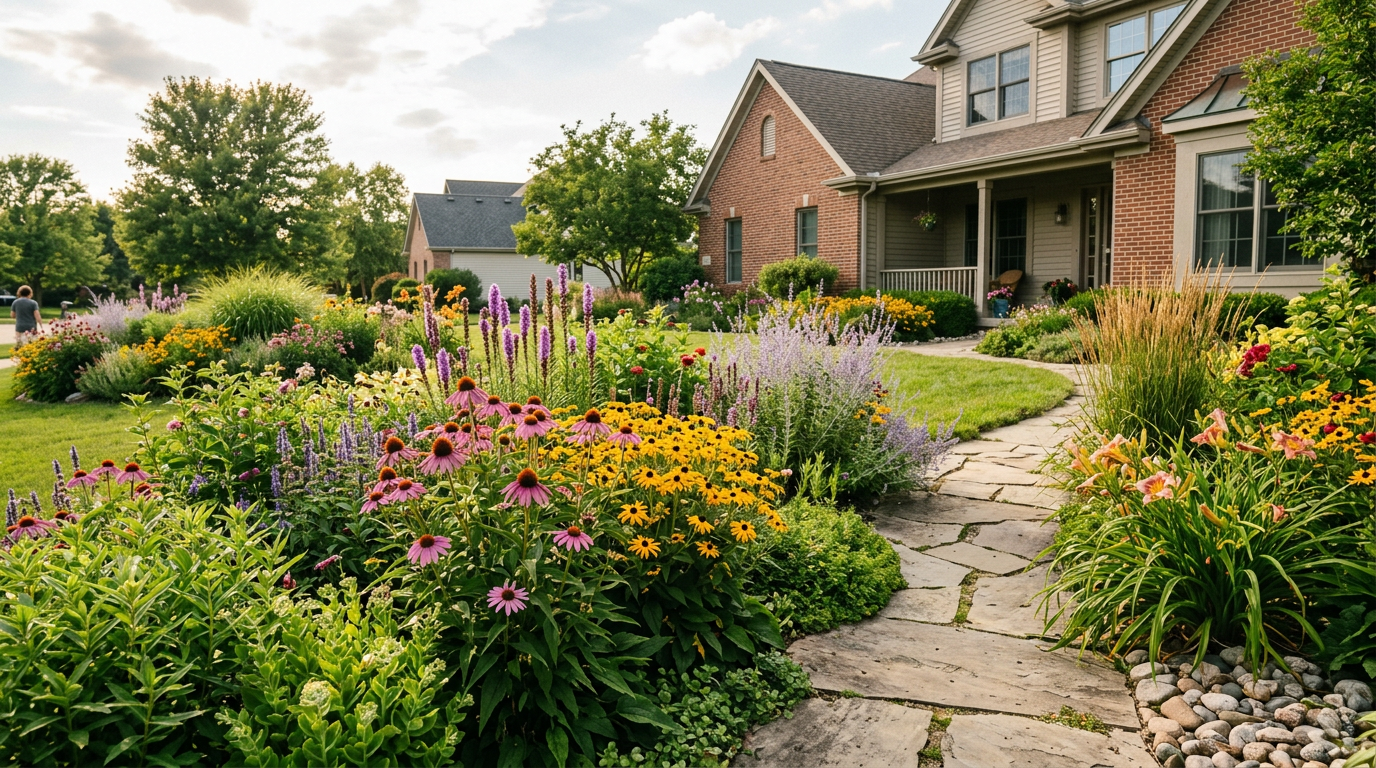
Let's get one thing straight: gardening in Illinois is not for the faint of heart. You've got brutal, polar vortex winters and soupy, humid summers that can cook a delicate plant in a single afternoon. If you're tired of your garden looking glorious in May and desolate by August, we need to talk. The answer isn't more work or more water. The answer is choosing the right plants. We're talking about the titans of the garden, the set-it-and-forget-it workhorses: Midwest perennials built for full, unforgiving sun in Illinois.
Forget the flimsy annuals that cost you a fortune every spring. Perennials are the ultimate landscaping hack. You plant them once, and they come back bigger and better every year. They're cheaper in the long run and, if you choose correctly, way tougher.
Why Perennials Are a No-Brainer for Illinois Gardens
Illinois sits predominantly in USDA Hardiness Zones 5a, 5b, and 6a, with a sliver of 6b at the southern tip. This means your plants need to survive winter temperatures that can plummet to -20°F. Perennials that are rated for these zones have the genetic grit to go dormant and come back swinging in the spring. Annuals just... die. It's a one-and-done transaction.
Beyond winter survival, the right perennials are adapted to our summer extremes. They can handle the baking sun and, once established, are surprisingly drought-tolerant. This is a huge win for your water bill and your weekend schedule. While homeowners in other regions are exploring radical water-saving options like Southern California drought landscaping, we can achieve similar water efficiency just by choosing smarter plants.
According to market research, the demand for perennials has steadily grown as homeowners seek more sustainable and low-maintenance landscaping options. The U.S. perennial plant market size was valued at over USD 3.5 billion and is projected to continue growing, reflecting a shift away from disposable annuals toward long-term garden investments. Homeowners are getting smarter, and you should too. (Source: a 2023 Grand View Research report on the global flower and ornamental plants market).
Our 5 Bulletproof Perennials for Full Sun in Illinois
We've planted thousands of perennials in every type of soil Illinois has to throw at us, from sandy loam near the lake to the heavy clay of the western suburbs. These five are our go-to choices for a sunny spot that needs to look good without a ton of fuss.
1. Coneflower (Echinacea purpurea)
This is the undisputed champion of the Illinois prairie. It's a native plant, which means it wants to be here. It laughs at heat, shrugs off drought, and its big, droopy petals are a magnet for bees and butterflies. The classic purple is fantastic, but you can also find them in shades of white, yellow, and fiery orange. We love the 'Magnus' cultivar for its huge, flat-faced blooms.
2. Black-Eyed Susan (Rudbeckia fulgida)
If Coneflower is the champ, Black-Eyed Susan is its tag-team partner. Another Illinois native, these golden-yellow flowers with their dark brown centers provide a massive burst of color from mid-summer through fall. They are ridiculously easy to grow and will spread politely to fill in a space. 'Goldsturm' is the classic, award-winning variety you can't go wrong with.
3. Salvia 'May Night' (Salvia nemorosa)
We've personally planted hundreds of 'May Night' Salvia in client gardens around the Chicago suburbs, and it has never let us down. Its spikes of deep indigo-blue flowers appear in late spring and, if you shear it back after the first flush, it will rebloom all summer. It's deer-resistant, drought-tolerant, and the pollinators go absolutely wild for it. It provides a great vertical accent to contrast with the mounded shapes of other perennials.
4. Daylily 'Stella de Oro' (Hemerocallis)
Daylilies are so tough they're often planted in commercial landscapes and highway medians. 'Stella de Oro' is a reblooming dwarf variety that churns out golden-yellow flowers from June until frost. It's tolerant of almost any soil, isn't bothered by pests, and basically thrives on neglect. You can find more unique front yard ideas in our guide to New England Front Yard Landscaping for Massachusetts Homes, but for pure, simple reliability in IL, 'Stella de Oro' is king.
5. Sedum 'Autumn Joy' (Hylotelephium telephium)
This plant is a four-season superstar. It emerges in spring with fleshy, succulent-like leaves. By mid-summer, it forms broccoli-like heads of green buds that open to dusty pink flowers in late summer. As fall arrives, the flowers deepen to a rich, coppery red. We leave the dried seed heads up all winter for structure and bird food. It's the perfect plant for providing color when everything else is starting to fade.
Planting & Care in Illinois' Clay Soil
Most of Illinois is blessed with heavy clay soil. It holds moisture and nutrients well, but it can also become compacted and waterlogged. When planting your perennials, success is all about soil amendment.
- Dig a Wide Hole: Dig a hole twice as wide as the nursery pot, but no deeper.
- Amend, Amend, Amend: Backfill the hole with a 50/50 mix of your native clay and a good quality compost or garden soil. We like Purple Cow Compost, which you can find at many local garden centers for about $15 a bag. This improves drainage and gives the roots an easier start.
- Water Deeply: Water the new plant thoroughly to settle the soil and eliminate air pockets.
- Mulch: Apply a 2-3 inch layer of hardwood mulch around the base of the plant, but don't let it touch the stem. This retains moisture, suppresses weeds, and moderates soil temperature.
In the fall, after a few hard frosts, you can cut back most of your perennials to about 4-6 inches. This tidies up the garden and helps prevent disease. It's also a good time to think about your lawn; figure out When to Overseed Your Lawn in Fall to get a jump on next season.
Where to Buy Quality Perennials in Illinois
You can find these plants at big box stores like Home Depot or Lowe's, where a 1-gallon perennial might run you $12-$18. However, for healthier plants and expert advice, we always recommend visiting a local independent nursery. Places like Gethsemane Garden Center in Chicago, Platt Hill Nursery in Bloomingdale and Carpentersville, or Chalet in Wilmette have incredible selections and staff who actually know what thrives in our specific area. Expect to pay a bit more, maybe $18-$30 for a premium 1-gallon pot, but the quality and survival rate are worth the extra few bucks.
Frequently asked
What is the easiest perennial to grow in full sun in Illinois?+
The Daylily (Hemerocallis) is arguably the easiest. It tolerates a wide range of soils, including Illinois clay, is drought-resistant once established, and is largely ignored by pests and diseases. Varieties like 'Stella de Oro' are compact and rebloom from summer until frost with almost no intervention.
When is the best time to plant perennials in Illinois?+
The best times to plant perennials in Illinois are spring (after the last frost, typically May) or early fall (September to early October). Planting in fall gives the roots time to establish before winter, while spring planting allows the plant a full season to grow before its first winter.
What perennials bloom all summer in Illinois?+
For continuous summer blooms in Illinois, look for reblooming varieties. 'May Night' Salvia will rebloom if sheared after its first flowering. Black-Eyed Susans have a very long bloom time from mid-summer to fall. Reblooming Daylilies like 'Stella de Oro' are also excellent choices for season-long color.
Do I need to water perennials every day in the Illinois summer?+
No. Newly planted perennials need regular water for their first few weeks. Once established, most sun-loving perennials are drought-tolerant. Water deeply once or twice a week during extreme heat or drought, rather than a light sprinkle daily. Always check the soil moisture 2-3 inches down before watering.
Are native Illinois perennials better?+
Yes, native perennials like Coneflower and Black-Eyed Susan are often better choices. They are genetically adapted to Illinois' soil, climate, and rainfall patterns, meaning they typically require less water, fertilizer, and pest control. They also provide critical food and habitat for local pollinators and wildlife.