
Florida Lawn Care Schedule: A Month-by-Month Guide
Keeping a lawn green in Florida isn't magic; it's a schedule. We'll walk you through the entire year, from the humid summer to the mild winter, so you know exactly what to do and when.
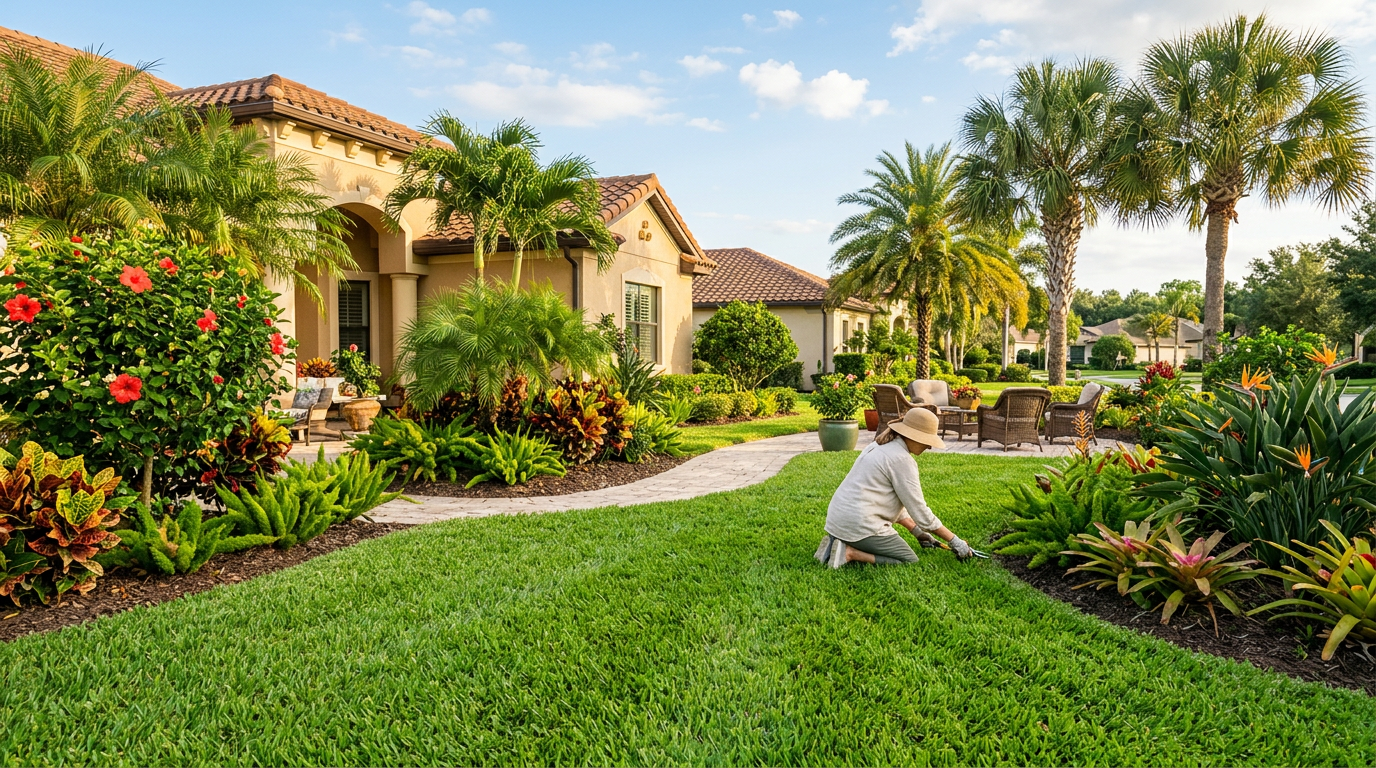
Let's be direct: keeping a lawn looking good in Florida is a full-contact sport. Between the blistering sun, torrential summer rain, sandy soil, and an army of pests that want to eat your grass for lunch, it's a constant battle. We've seen too many homeowners give up and surrender to a sad, crunchy beige carpet. It doesn't have to be that way.
You don't need a PhD in agronomy or a mystic connection to the turf gods. You just need a plan. This is your no-nonsense, month-by-month Florida lawn care schedule. We're breaking down exactly what to do and when, from Jacksonville to the Keys.
Understanding Your Florida Lawn: Grass & Soil
First, know thy battlefield. Most Florida lawns are one of a few warm-season grass types:
- St. Augustine: The undisputed king of Florida. It's lush and shade-tolerant but thirsty and susceptible to chinch bugs. It’s the diva of the grass world.
- Zoysia: A beautiful, dense, and drought-tolerant option that feels great underfoot. It’s slower growing but can be prone to thatch and large patch fungus.
- Bahia: Extremely drought-tolerant and low-maintenance. It's not the prettiest—it thins out and throws up tall, ugly seed heads—but it's tough as nails. Common in central and north Florida.
- Bermuda: Loves full sun and is very durable, often used on golf courses. It requires a lot of maintenance (mowing, fertilizer) to look its best and will invade garden beds without mercy.
Most of these grasses are fighting to survive in what is essentially beach sand. This soil doesn't hold nutrients or water well, which is why your approach has to be different from, say, someone dealing with clay soil. If you're starting from scratch, our guide on how to grow grass in Florida sand is required reading.
The Year-Round Florida Schedule: Mowing & Watering
Before we get into the monthly breakdown, two things are constant: mowing and watering.
Mowing: Set your mower deck high and leave it there. For St. Augustine and Zoysia, aim for 3-4 inches. Taller grass shades the soil, which helps retain moisture and prevent weed seeds from germinating. Never scalp your lawn. The rule is to never remove more than one-third of the grass blade in a single mowing. In summer, you'll be mowing every week. In winter, it might be every 2-3 weeks.
Watering: Water deeply and infrequently. This encourages deep root growth. Your lawn needs about ¾ to 1 inch of water per week, including rainfall. Water in the early morning (between 4 AM and 8 AM) to reduce evaporation and prevent fungus. Look for signs of thirst—bluish-gray color, folded leaf blades—before watering. And for heaven's sake, obey local watering restrictions. Many counties (like those under the SFWMD) have strict rules about which days you can water. Get an inexpensive rain gauge for $5 to know exactly how much water your lawn is getting from rain or irrigation.
The Florida Fertilizing & Weed Control Calendar
Here’s the core of your schedule. Mark your calendar.
Late Winter / Early Spring (February - March)
- Weed Control: This is GO TIME for pre-emergent herbicide. As soil temps rise to 55°F, crabgrass starts to germinate. Apply a product like The Andersons Pro Turf Barricade Granular Pre-Emergent (around $60 for a bag that covers 5,800 sq ft) in mid-to-late February. This creates a barrier that stops weeds before they start.
- Fertilizer: Once the grass is actively growing (i.e., you've had to mow it a couple of times), apply your first dose of fertilizer. Use a slow-release formula. Something with a 15-0-15 or 16-4-8 ratio is perfect. We like Sunniland's Florida-focused fertilizers or Scotts Turf Builder Southern Lawn Food.
Spring / Summer (April - September)
- Fertilizing: This is the peak growing season. Your lawn is hungry. Feed it with a slow-release fertilizer every 6-8 weeks. IMPORTANT: Many Florida counties have a "fertilizer blackout" period during the summer rainy season (often June 1 - Sep 30) to prevent nutrient runoff into our waterways. These ordinances typically ban fertilizers containing nitrogen or phosphorus. Check your local county rules! If you're in a blackout zone, your late May application is your last one until fall.
- Pest Control: The heat and humidity are an open invitation for pests. Be on the lookout for chinch bugs in St. Augustine (look for yellowing, dry patches near hot pavement) and sod webworms (look for chewed-up grass blades and moths flying over the lawn at dusk). Apply a broad-spectrum insecticide like BioAdvanced Complete Insect Killer for Soil & Turf ($20 for a concentrate) as needed. Don't apply it preventatively; wait until you see signs of damage.
- Fungus Control: All that summer rain can lead to fungus like gray leaf spot or large patch. If you see circular patches or discolored lesions on the blades, apply a systemic fungicide like Scotts DiseaseEx ($25 for 5,000 sq ft).
Fall (October - November)
- Fertilizing: Apply your final fertilizer of the year in early October. This gives the grass nutrients to store for the winter. Use a low-nitrogen, high-potassium formula (the last number in the N-P-K ratio) to promote root health, not top growth. Look for a 5-0-20 or similar.
- Weed Control: The fall is another critical window for pre-emergent herbicide to stop winter weeds like poa annua (annual bluegrass). Apply it in mid-October.
- Overseeding?: People often ask about fall overseeding. While it's a key part of the schedule in cooler climates, we almost never do it in Florida. Our warm-season grasses go dormant, not dead. Overseeding with ryegrass is mostly for aesthetics and creates a ton of work in the spring. If you're curious about the process, you can read when to overseed your lawn in fall, but we generally advise against it here.
Winter (December - January)
Your job is easy now. Your lawn is dormant or growing very slowly.
- Mowing: Mow as needed, which might only be once or twice a month.
- Watering: The lawn needs very little water. Only water if you go several weeks without rain and the grass shows signs of stress.
- Absolutely NO fertilizer. Fertilizing dormant grass is a waste of money and can feed winter weeds.
The Financials: Budgeting for Lawn Care in Florida
Let's talk dollars. Doing it yourself will cost around $300-$500 per year for an average 5,000 sq ft lawn. A bag of quality fertilizer is $50-$70 and you'll need 3-4 per year. Pest and disease control might add another $100.
Hiring a pro is easier but pricier. According to data from LawnStarter, the average cost for professional lawn mowing in Florida cities like Orlando and Tampa is about $40-$65 per visit. Full-service plans including fertilization and pest control from companies like TruGreen or local outfits like "Lawn Master of Miami" can range from $600 to $1,500 per year. The pro route saves you time and the hassle of storing chemicals, but you lose granular control. (Source: https://www.lawnstarter.com/florida-lawn-care/lawn-care-prices)
The climates and challenges in states like Florida and Texas are intense, but a solid plan makes all the difference. While a Texas lawn care guide will focus more on drought, our Florida plan is a constant war against humidity, pests, and nutrient-poor soil. It's a different beast, but one you can definitely tame.
Frequently asked
How often should I mow my lawn in Florida?+
Mow every 1-2 weeks during the summer growing season and every 2-3 weeks in the winter. Keep St. Augustine and Zoysia at 3-4 inches high. Never remove more than one-third of the blade at once to avoid stressing the grass.
When should I fertilize my lawn in Florida?+
Fertilize every 6-8 weeks from March through October. Use a slow-release nitrogen fertilizer. Avoid fertilizing during the dormant winter months or during summer 'blackout periods' mandated by local ordinances to prevent nutrient runoff into waterways.
What is the best fertilizer for Florida lawns?+
A slow-release fertilizer with a ratio like 15-0-15 or 16-4-8 is ideal. We recommend products from brands like Sunniland or Scotts Southern Turf Builder. Always check for local summer blackout rules which restrict nitrogen and phosphorus use.
How do I get rid of weeds in my Florida lawn for good?+
The best defense is a thick, healthy lawn. Apply a pre-emergent herbicide in February and October to prevent weeds. For existing weeds, spot-treat with a post-emergent herbicide labeled safe for your grass type, like Ortho Weed B Gon for St. Augustine.
When is the rainy season in Florida and how does it affect lawn care?+
Florida's rainy season typically runs from late May through October. During this time, you must adjust your irrigation system to supplement, not replace, rainfall. Turn off automatic sprinklers and water only when the lawn shows signs of drought stress to avoid overwatering and fungus.