
Arizona Desert Landscaping Ideas That Actually Work
Stop thinking your Arizona yard is a lost cause. We're breaking down the exact plants, hardscapes, and water-wise strategies to create a desert landscape that's anything but dull.
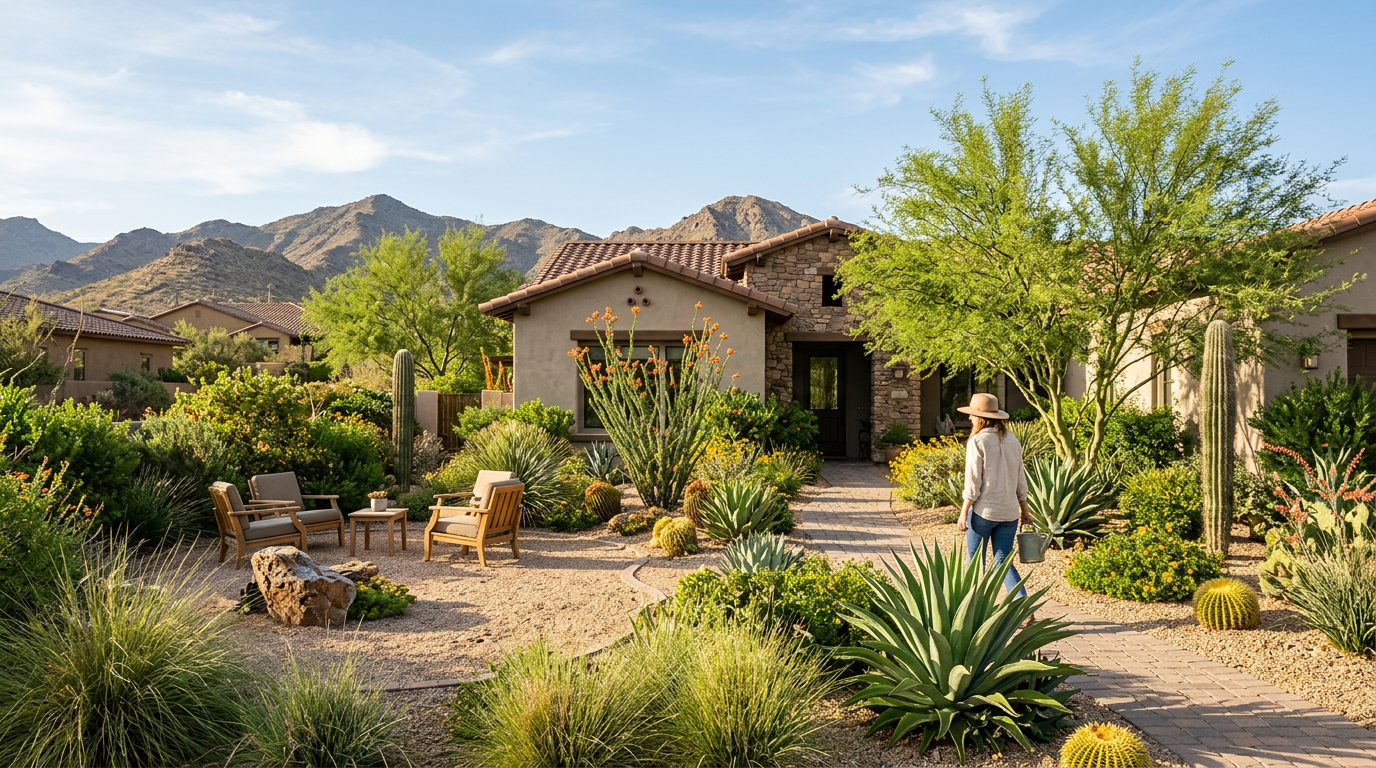
Let's be direct: Landscaping in Arizona is a whole different ball game. If you moved here from somewhere with, you know, regular rain, your old playbook is useless. We've seen too many Phoenix front yards that look like a gravel parking lot with a single, sad-looking cactus. It doesn’t have to be this way. You can have a stunning, vibrant yard that embraces the Sonoran Desert instead of fighting it. This isn't about just surviving; it's about creating a space that thrives in the heat and looks incredible doing it. Forget vague inspiration—we're giving you the practical, no-nonsense game plan.
The Hardscape Backbone of Your Arizona Yard
Before you plant a single thing, you need to think about the non-living elements. Hardscaping is the skeleton of your desert design. In Arizona, this usually means rocks, pavers, and walls. It's your chance to create paths, patios, and texture that won't die when it hits 115°F.
- Decomposed Granite (DG): This is our go-to for pathways and patio areas. It's finer than gravel, packs down nicely for a stable surface, and comes in colors like "Madison Gold" or "Apache Brown" that complement the desert palette. Expect to pay around $60-$80 per ton from local suppliers like MDI Rock in Phoenix. One ton typically covers about 100 square feet at a 2-inch depth.
- River Rock & Riprap: Use larger rocks (3-8 inches) to create dry river beds. This is a classic desert move that's both beautiful and functional, helping to direct water flow during those intense monsoon downpours. It also breaks up the monotony of endless small gravel.
- Pavers: For a more formal patio or walkway, concrete or flagstone pavers are your best bet. They create a solid, usable surface and can define outdoor "rooms." Combine them with DG or gravel for a professional, layered look. This is a similar strategy we recommend for yards in other arid climates, like those looking for Southern California drought landscaping solutions.
Plant Selection for the Brutal Arizona Sun
This is where people get it wrong. You can't just pick pretty flowers from Home Depot and hope for the best. You need plants that evolved to handle intense sun, low water, and alkaline soil. Here's a quick list of winners we use all the time:
- Trees for Shade: Shade is a precious commodity. Plant a Palo Verde (the state tree!), Mesquite, or Desert Willow. They provide filtered shade that creates a microclimate for smaller plants underneath and can lower the temperature on the west-facing side of your house.
- Shrubs for Color & Structure: Don't settle for green and brown. Texas Sage (Leucophyllum frutescens) explodes with purple flowers after it rains. Lantana is a nearly indestructible bloomer that comes in yellow, orange, and purple. Yellow Bells (Tecoma stans) provides a huge splash of bright yellow all summer.
- Accent Plants: This is your drama. A Blue American Agave or a spiky Ocotillo provides incredible architectural form. Group them in threes for maximum impact. Just be sure to plant them away from walkways!
For more ideas, check out our other post on Arizona desert landscaping ideas that covers even more plant choices.
Water-Wise Irrigation is Non-Negotiable in Arizona
If you're still using sprinklers on a desert landscape, please stop. You're wasting a shocking amount of water to evaporation. A drip irrigation system is the only smart way to water here. It delivers water directly to the root zone of each plant with minimal waste.
According to the Arizona Department of Water Resources, outdoor water use can account for up to 70% of a home's total water consumption, making efficiency paramount. (Source: https://new.azwater.gov/conservation/home-water-use) You can buy a complete kit like the Rain Bird Drip Irrigation Starter Kit (Model LCR-KIT) for about $50 to get a feel for it. Set it up with a smart timer that adjusts for seasons, and you'll save water, money, and your plants' lives. During the summer, you might run it for a deep soak every 7-10 days for established plants, and more frequently for new ones. In the winter, you can back off significantly.
Forget the Lawn (Or Fake It 'Til You Make It)
Look, maintaining a lush green lawn in Phoenix or Tucson is an expensive, water-guzzling battle against nature. We usually advise against it. If you absolutely need a patch of green for kids or pets, consider high-quality synthetic turf. Modern artificial grass looks shockingly realistic and requires zero water, fertilizer, or mowing. Companies like SYNLawn Arizona specialize in this. It's a big upfront investment—often $10-$20 per square foot installed—but the long-term water savings are substantial.
Alternatively, consider a native groundcover like Trailing Dalea or Turpentine Bush, which can create a low-growing green carpet with a fraction of the water a traditional lawn needs. This isn't like worrying about a cool-season grass schedule you'd see when figuring out when to overseed your lawn in fall back east; this is about survival.
Check Arizona HOA and City Rules First!
Before you rent a bobcat, read your HOA's CC&Rs. Many have specific rules about what percentage of your front yard can be hardscape, what color gravel you can use, and which plants are approved. Some are notoriously picky.
On the flip side, many cities have your back. The City of Scottsdale's Water Conservation Office, for example, offers rebates for removing grass and installing water-wise landscaping. The City of Mesa has similar programs. A quick search for "[your city] landscape rebate program" can literally pay you to make these smart changes. Don't leave free money on the table.
Frequently asked
How much does desert landscaping cost in Arizona?+
Costs vary wildly. A simple DIY gravel and plant project could be under $2,000. A full professional installation with pavers, synthetic turf, and lighting can easily exceed $15,000-$25,000 for an average yard. The biggest factors are labor, hardscape materials, and mature plant sizes.
What is the most low-maintenance Arizona landscaping?+
The lowest maintenance option is a yard dominated by hardscape (gravel, pavers) with a few tough, established native plants like Palo Verde, Agave, and cactus. A properly installed drip irrigation system on a timer is key to making it a 'set and forget' system for most of the year.
What can I use instead of a lawn in Arizona?+
Great alternatives to grass include high-quality synthetic turf for a green look without the water use. You can also use native groundcovers like Trailing Dalea. Otherwise, embrace hardscape designs using decomposed granite, pavers, and boulders to create functional, beautiful, lawn-free outdoor spaces.
How do I add color to my Arizona desert landscape?+
Use flowering perennials and shrubs that thrive in the heat. Lantana, Yellow Bells (Tecoma stans), Bougainvillea (in protected spots), and Texas Sage provide stunning bursts of color. You can also add color with painted walls, vibrant pottery, and colorful decorative rock.
What is the best rock for Arizona landscaping?+
Decomposed granite (DG) is excellent for pathways and patios. For groundcover, 1/2" to 3/4" crushed granite is popular and stays in place. Use larger river rocks or riprap to create dry river beds and provide visual contrast. Choose colors that complement your home's exterior.