
How to Keep Deer Out of Garden: Real Fixes That Last
Deer aren’t polite nibblers; they’re efficient defoliators. Here’s the straight, field-tested plan to keep them out for good—no folklore, just what works.
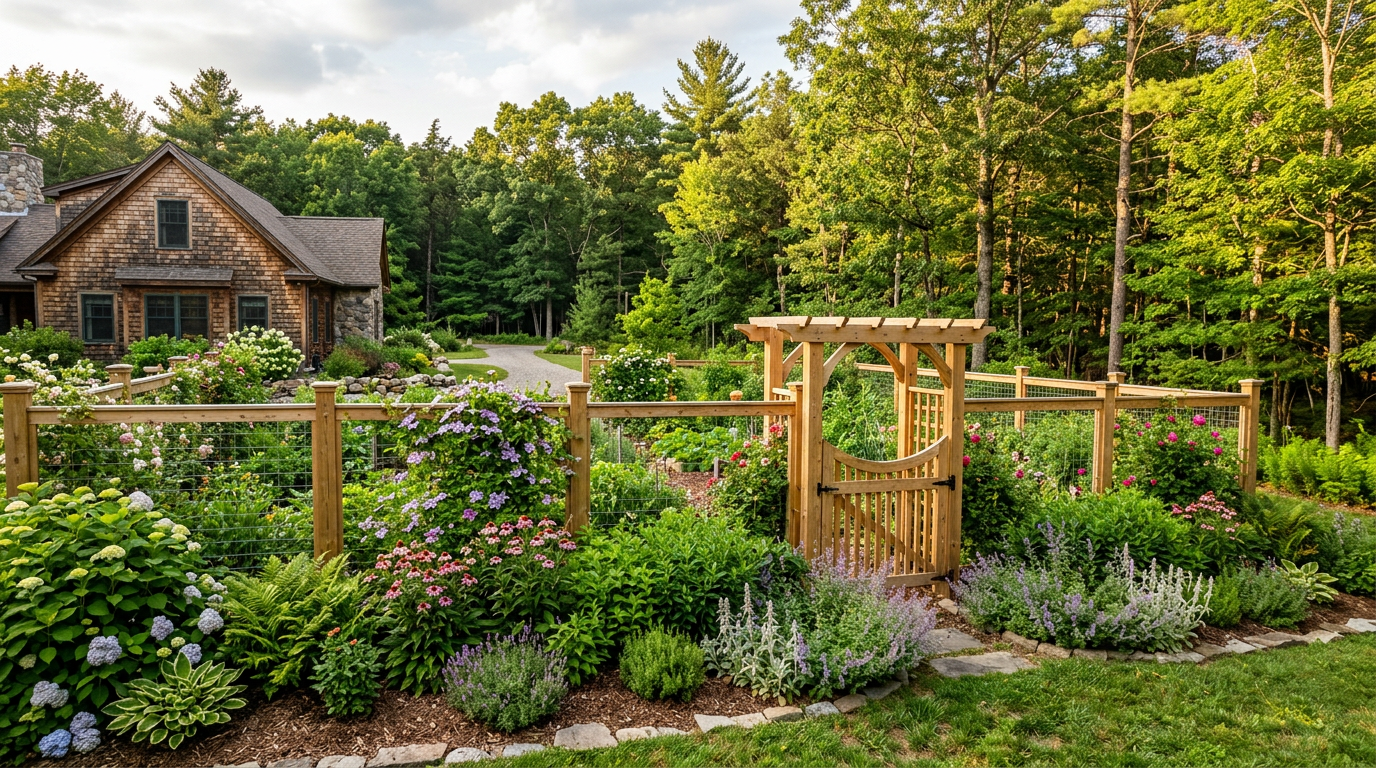
The short version: fence first, then layer defenses
We love deer—just not in the lettuce. If you want reliable, low-drama control, start with a physical barrier and add scent and scare tactics as backup. We’ve tested these in our own gardens and client installs; here’s the plan that actually keeps deer out.
Fences that actually work (and the ones that don’t)
- Go tall: An 8‑ft fence is the most reliable single fix. For a budget build, use poly or woven wire with sturdy corners.
- Tenax C‑Flex 7.5' x 100' poly deer fence (~$179) + 8‑ft metal T‑posts (~$6–$8 each)
- Trident Max Strength 7.5' x 100' kit (~$219) includes ties and stakes
- Or double up: Two shorter fences (4–5 ft) set 3–5 ft apart confuse depth perception and stop jumps.
- Electric offset works: A single low-tension wire 30–36" off the ground baited with foil/peanut butter can train deer to avoid the garden.
- Patriot P10 fence charger (~$79) or Gallagher S10 solar (~$139)
- What fails: 4–6 ft single fences, loose netting, and string alone. Deer clear them when hungry.
Pro tip we use: Add a top “outrigger” line angled outward 6–12" to discourage jumping without adding full height.
Protect beds and trees the deer love most
- Net the candy: Drape 5/8" bird/deer netting over hostas, daylilies, strawberries, and seedlings. Secure edges with landscape pins.
- Bird-X 7' x 100' netting (~$25)
- Cage young trees/shrubs: 5‑ft welded-wire cylinders (2 x 4" mesh) around trunks, 18–24" radius. Tree tubes for saplings.
- Add door-less “V” gates in fence lines so you can get in; deer won’t push through narrow angles.
If your hostas are getting shredded, confirm it’s deer and not slugs or rabbits. Start here: What Is Eating My Hostas? Identify Pests Fast + Fixes.
Repellents: helpful, if you rotate them
Repellents buy time, not miracles. Use them to protect high-value plants or as a layer behind a fence.
- Alternate scent/taste bases every 2–4 weeks and after heavy rain:
- Liquid Fence Deer & Rabbit Concentrate, 1 gal (~$33)
- Deer Out Concentrate, 1 gal (~$49)
- Plantskydd Granular, 3.5 lb (~$30)
- Spray new growth; that’s what deer target. Hit plant edges and approaches too.
- Change formulas seasonally; dried-blood repellents shine in cold months, egg/garlic mixes in warm.
Numbers check: why tall fences win
University extension trials consistently show exclusion beats deterrence. 8‑ft woven or poly fences prevent nearly all entries; 5–6‑ft barriers are routinely breached. Repellent sprays reduce browsing roughly 50–60% for 4–8 weeks, then fade without rotation. Motion sprinklers cut visits by about half initially. (https://icwdm.org/species/mammals/white-tailed-deer/)
Scare tactics and dog pressure (good add‑ons)
- Motion sprinklers: Orbit Yard Enforcer (~$70) startles night browsers. Aim low along entry lanes.
- Lights/noise: Nite Guard Solar (4‑pack ~$80) plus a cheap radio on a timer changes routines.
- A real dog presence works; a recording of a dog doesn’t. Walk the perimeter; leave scent.
- Move devices weekly. Deer learn fast.
Planting strategy: make your border boring (to deer)
Nothing is 100% deer-proof, but some plants are reliably snubbed. Edge beds with these to make a virtual fence:
- Aromatics: lavender, rosemary, thyme, sage, catmint (Nepeta), salvia
- Textured: lamb’s ear, yucca, ornamental grasses
- Shrubs: boxwood, inkberry holly, spirea, barberry (check local invasiveness regs)
- Skip the candy at edges: hosta, tulips, daylily, arborvitae belong inside the fence.
Battling other plant bullies too? See our field plan: How to Get Rid of Crabgrass Permanently: Field-Tested Plan.
Our field-tested action plan
- Fence the perimeter you care about most: 7.5–8 ft poly/wire or a 2‑fence setup.
- Net/cover high-value beds for the first 6–8 weeks of growth.
- Start a repellent rotation calendar; reapply after 0.5"+ rain.
- Add a motion sprinkler on the most-used deer trail.
- Plant deer-averse borders; move tasty stuff inside.
We’ve held off heavy suburban herds with a 7.5' poly fence, a single offset hot wire, and weekly repellent on roses. Zero browse after week two.
Troubleshooting fast
- Still getting hits? Walk the fence at night with a headlamp; look for low spots or gaps.
- Tracks but no bites? Could be grubs or other critters tearing turf. Start here: Tiny Holes in Lawn at Night: What’s Making Them + Fixes and How to Get Rid of Grubs in Lawn Naturally (That Works).
- Roses getting chewed but fence holds? Increase repellent frequency and add a second motion sprinkler.
Maintenance calendar
- Spring: Install/repair fencing; heavy repellent use on flush growth.
- Summer: Net edibles; rotate repellents; move scare devices weekly.
- Fall: Protect trunks from rubs with cages/tubes; keep fences tight.
- Winter: Maintain 8‑ft height above snow pack; switch to cold-weather repellents.
Frequently asked
What’s the best fence height to stop deer?+
Eight feet is the reliable standard. You can also use two 4–5 ft fences spaced 3–5 ft apart to confuse jumps. If snow accumulates, add height or maintain clearance above the snow so the effective barrier remains 7–8 ft.
Do deer repellents really work?+
Yes, but only as a layer. They reduce browsing for a few weeks, then fade. Rotate ingredients (egg/garlic, capsaicin, blood) every 2–4 weeks and reapply after rain. Use repellents to protect specific plants while fences and netting do the heavy lifting.
Are there plants deer won’t eat?+
No plant is truly deer-proof, but many are low-risk. Aromatics like lavender, rosemary, and salvia, plus boxwood and spirea, are commonly avoided. Hungry deer will sample almost anything, so use these as borders, with favorites protected inside a fence.
Will motion-activated sprinklers keep deer out?+
They help, especially on known entry paths, but they’re not a standalone fix. Expect strong results at first and diminishing returns unless you move them weekly and pair with fencing or netting. They shine as part of a layered defense.