
How to Get Rid of Crabgrass Permanently: Field-Tested Plan
You won’t erase crabgrass in one weekend. But you can stop it cold over 2–3 seasons with precise timing, the right herbicides, and thicker turf. Here’s the plan.
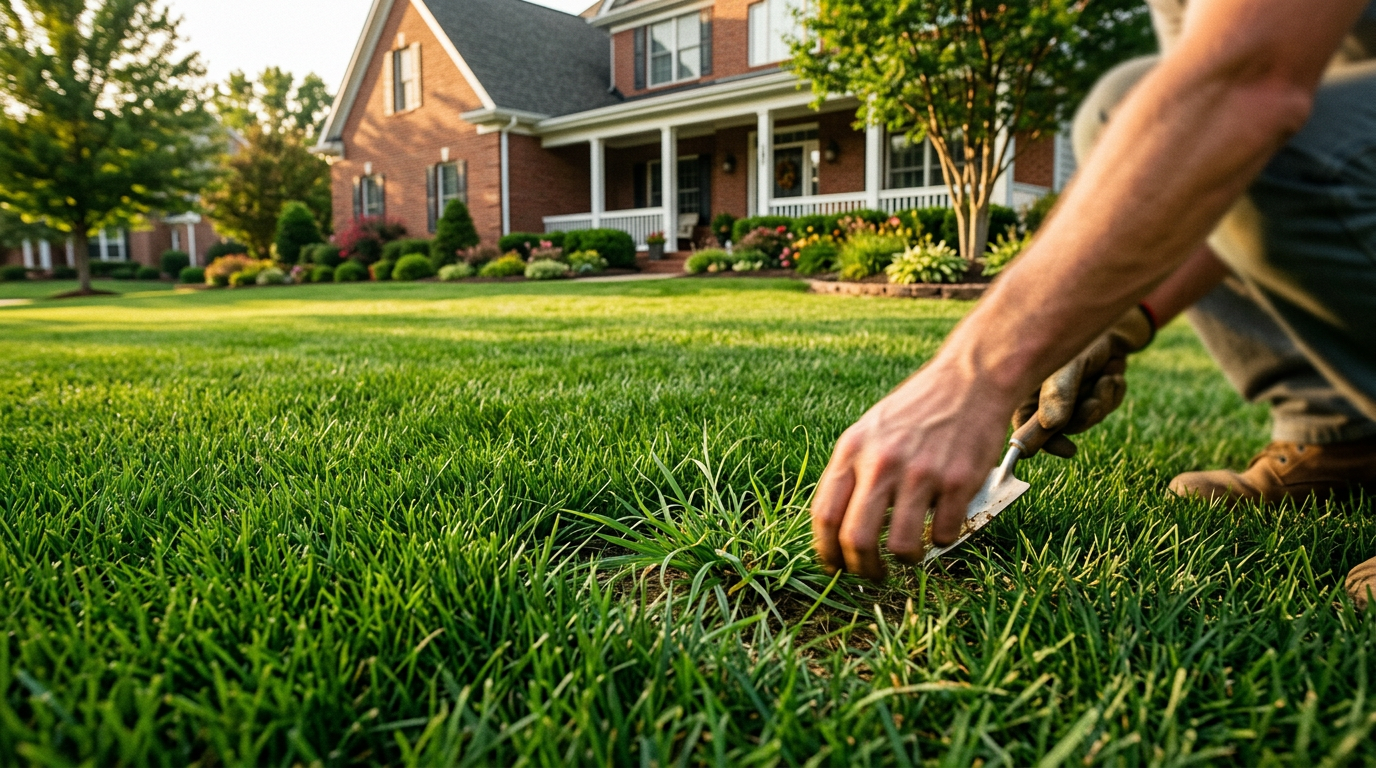
Why “permanently” is a plan, not a spray
Crabgrass is an annual that dies each fall but leaves a landmine of seeds. If you want it gone for good, you have to stop new seeds from sprouting and outcompete the stragglers. That’s a 2–3 year routine, not a miracle bottle. Here’s the field-tested playbook.
Timing: hit germination, not your calendar
Crabgrass germinates when soil holds around 55°F for several days. We use a $12 soil thermometer or Growing Degree Day tools, then apply pre-emergent right before that window. In warm regions, repeat 6–8 weeks later to catch late germination. On curbs and south-facing strips, be extra early; those heat up first.
Step 1: lock out seedlings with pre-emergent
Use a pre-emergent that creates a thin barrier just under the surface.
- Best actives: prodiamine (Barricade), dithiopyr (Dimension), pendimethalin.
- If you plan to seed: use mesotrione (Tenacity) at seeding instead of standard pre-emergents.
- Split applications: go light at first application, then repeat 6–8 weeks later. This smooths out timing misses and covers curb strips.
- Water in: 0.25–0.5 in irrigation within 3 days so the barrier forms.
Do not pre-emerge right before spring overseeding unless you’re using mesotrione; most prevent grass seed too. Seed in fall instead.
Step 2: spot-kill escapes early
Even with great timing, a few plants break through. Kill them small (1–3 tillers) for best results.
- Quinclorac: fast on crabgrass; add methylated seed oil for punch.
- Fenoxaprop: strong on younger plants.
- Mesotrione or topramezone: bleaches plants; good early.
- Non-options: 2,4-D alone won’t touch crabgrass.
Spray on warm, dry days, then wait 2–3 weeks before reseeding any bare spots.
Step 3: make turf do the work
Crabgrass loves heat, sun, and thin lawns. We crowd it out:
- Mow high: 3.0–4.0 in for cool-season lawns; shade the soil.
- Water deep, infrequent: 1–1.5 in/week, mornings only.
- Feed smart: 2–4 lb N/1,000 sq ft per year based on grass and soil test.
- Overseed in fall: the most important cultural fix.
- Edge armor: overseed and thicken curb strips; that’s where it starts.
If you’re juggling other lawn oddities, check these guides while you’re at it: How to Get Rid of Clover in Lawn, Brown Patches in Lawn After Winter, and Why Mushrooms Growing in Lawn Happen.
By the numbers (why timing rules)
One crabgrass plant can produce up to ~150,000 seeds, and many persist in the soil for years. Germination typically begins as soils hold near 55°F for several days; pre-emergents are most effective when applied just prior to that window (https://extension.umn.edu/weed-management/crabgrass; https://ipm.missouri.edu/MEG/2021/2/crabgrass_JB/; https://turf.purdue.edu/crabgrass-and-foxtail-preemergence-application-timing/).
Products we actually use (prices as of today)
- The Andersons Barricade (prodiamine) 18 lb, covers 5,800 sq ft: about $45. Great long residual.
- Dimension 0.10% + fertilizer (various brands) 50 lb: $55–$75. Early post-emergent bonus on tiny seedlings.
- Tenacity Herbicide (mesotrione) 8 oz: about $69. Pre/post and safe at seeding; expect whitening.
- Quinclorac 75 DF 1 lb: about $35–$45. Add methylated seed oil for better uptake.
- Ortho WeedClear for Crabgrass & Grassy Weeds hose-end: about $20. Convenience option for small lawns.
We’ve tested all of these across multiple seasons; prodiamine + quinclorac is our no-drama combo for most cool-season lawns.
Common mistakes that keep the cycle alive
- Applying pre-emergent after you already see carpets of seedlings
- Skipping the second application in long springs
- Spraying 2,4-D only and wondering why nothing changes
- Mowing too low, scalping edges, and ignoring fall overseeding
- Pre-emerging right before seeding with the wrong product
Bonus tip: If tunnels are wrecking your surface roots, that thin turf invites weeds. Trap the culprits with our guide: How to Get Rid of Moles in Your Yard.
The 2–3 year “permanent” schedule
Year 1: Pre-emergent at 55°F, split app 6–8 weeks later. Spot-spray escapes. Fall aerate and overseed. Year 2: Repeat pre-emergent timing. Far fewer escapes; spot-spray. Feed and mow high. Year 3: Maintain barrier where needed and thicken thin areas. You’re mostly in maintenance mode now.
Frequently asked
When should I put down crabgrass pre-emergent?+
Apply just before soils hold around 55°F for several days. Use a soil thermometer or local Growing Degree Day tools. In warmer areas or long springs, follow with a lighter second application 6–8 weeks later to catch late germination and hot curb strips.
What kills crabgrass without harming grass?+
On young plants, quinclorac or fenoxaprop are selective on most cool-season turf. Mesotrione and topramezone also work but can cause temporary whitening. Always check your grass type and the label. Avoid 2,4-D alone—it’s for broadleaf weeds, not grassy weeds like crabgrass.
Can I seed and use pre-emergent at the same time?+
Most pre-emergents will block your desirable grass seed. If you must seed in spring, use mesotrione (Tenacity) at seeding, then follow up later with compatible products per the label. Our preference: do heavy overseeding in fall, and use standard pre-emergents in spring.
Is there a natural way to get rid of crabgrass?+
The most reliable non-chemical path is cultural: mow higher (3–4 in), water deeply but infrequently, fix compacted soil, and overseed in fall. Hand-pulling small plants before they seed helps. Vinegar or boiling water kill grass too and aren’t selective, so they create bare spots.
How long until crabgrass is gone for good?+
Expect 2–3 seasons. You’re draining the seed bank by blocking germination each spring and thickening turf. The first year stops the big flush, the second cleans up stragglers, and the third is maintenance. Edges and sunny slopes need the most attention every year.