
How Long Does Grass Seed Take to Grow? A Real Timeline
Stop staring at bare dirt. Here's the no-nonsense breakdown of exactly how long you'll wait for that new grass to pop, from the fastest growers to the slowest.
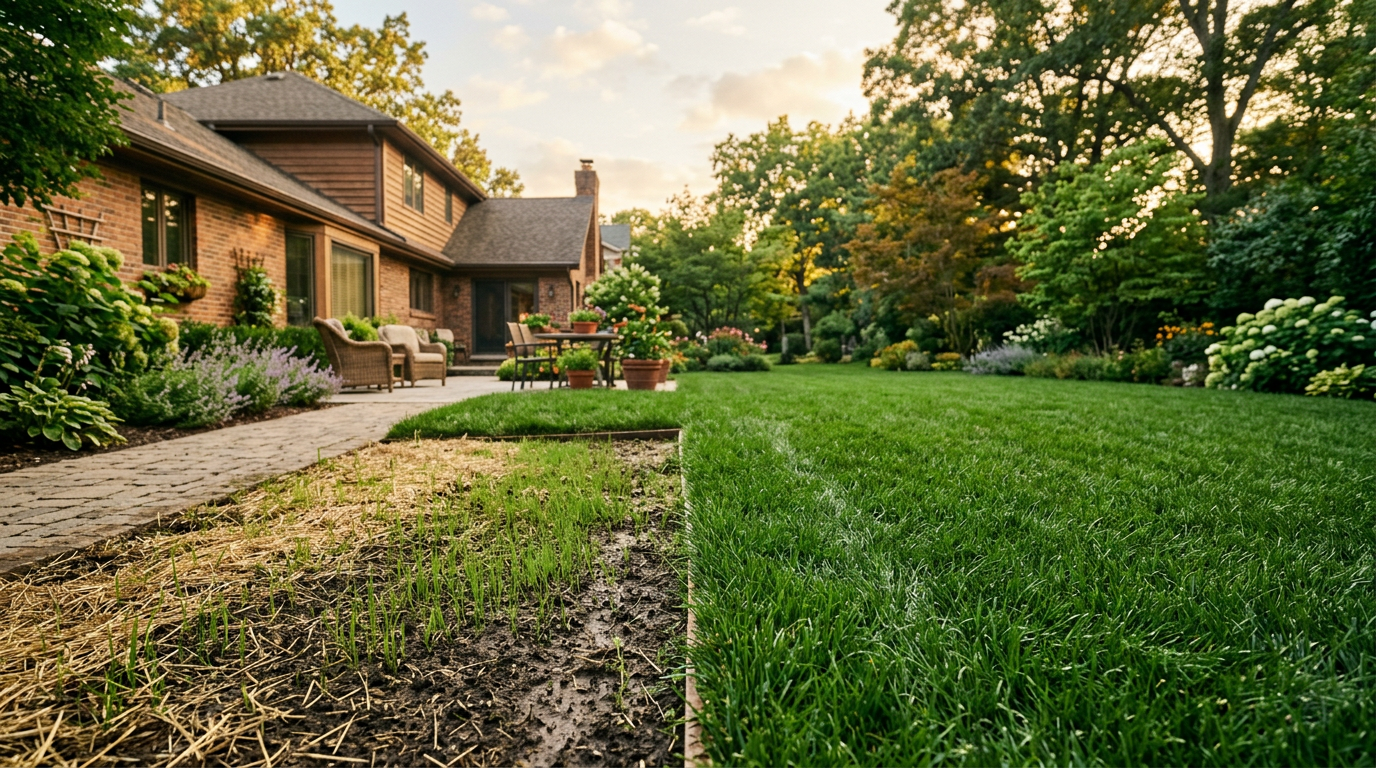
We've all been there. You've prepped the soil, spread the seed, and now you're staring at a patch of dirt, waiting. It's like watching a pot that refuses to boil. Every lawn care forum will give you a vague answer like "it takes 7 to 21 days." Thanks, that's incredibly helpful.
The truth is, the answer to "how long does grass seed take to grow?" depends entirely on three things: the type of seed you bought, the conditions you provide, and your level of patience. Let's skip the gatekeeping and get to a real, useful timeline.
Seed Germination Times by Grass Type
Not all grass is created equal. Some seeds are sprinters, and others are marathon runners. Your seed bag's label is your best friend here—it will tell you the percentage of each seed type in the blend. The faster-germinating seeds are often included to provide quick cover while the slower, more permanent grasses take their time.
Here’s a cheat sheet:
- Perennial Ryegrass: 5 to 10 days. This is the speed demon of the grass world. It’s often included in mixes for its ability to pop up fast, stabilize soil, and give you that quick hit of green you’re craving. It’s the instant gratification seed.
- Tall Fescue: 7 to 21 days. The workhorse of many American lawns. It’s durable, relatively drought-tolerant, and establishes reasonably quickly. Most high-quality blends like Jonathan Green's Black Beauty Ultra are primarily Tall Fescue.
- Fine Fescues (Creeping Red, Chewings, Hard): 7 to 14 days. These are the stars of any quality best grass seed for shade mix. They germinate fairly quickly and thrive in conditions where other grasses falter.
- Kentucky Bluegrass (KBG): 14 to 30 days. This is the slow, steady, and ultimately beautiful marathon runner. KBG takes its sweet time to germinate, but once established, it spreads via rhizomes to create a dense, self-repairing turf. It requires patience. A lot of it.
- Warm-Season Grasses (Bermuda, Zoysia, Centipede): 10 to 30 days. These grasses need warmth. They won't do a thing until soil temperatures are reliably in the 65-80°F range. Bermuda is on the faster end of this scale, while Zoysia and Centipede take their time.
4 Factors That Control the Germination Clock
Throwing seed on the ground and hoping for the best is a recipe for feeding birds. To get your seed to sprout on the faster end of its range, you need to control the variables. Luckily, there are only a few that really matter.
-
Soil Temperature: This is non-negotiable. Cool-season grasses (Fescue, Rye, KBG) need soil temps between 50°F and 65°F to wake up. Warm-season grasses (Bermuda, Zoysia) need it even warmer, between 65°F and 80°F. Don't guess; a simple soil thermometer costs about $10 and removes all doubt. Seeding too early or too late in the season is the #1 rookie mistake.
-
Moisture: This is the big one. The seed coat needs to absorb water to crack open. From the moment you put the seed down until the first mow, the top inch of soil needs to stay consistently moist, like a wrung-out sponge. Not flooded, not dry. This might mean watering 2-4 times a day for just 5-10 minutes each time. Figuring out the best time to water grass is key to preventing evaporation and disease.
-
Seed-to-Soil Contact: Seeds suspended on top of thick thatch or hard, compacted dirt won't grow. They need to be nestled securely in the soil to access moisture and nutrients. This is why proper soil preparation is so critical. According to turfgrass specialists at Purdue University, ensuring good seed-to-soil contact is the single most important factor for a successful seeding, impacting germination rates by more than 50%. (Source: purdue.edu) Raking the area, or even better, following a full how to overseed a lawn process, makes all the difference.
-
Sunlight: Most grass seeds need light to germinate (a process called photoblastic germination). However, direct, baking sun can quickly dry out the seedbed and kill the sprouts. This is the great balancing act. Full sun is fine as long as you can keep up with the watering. If you can't, a light mulch like peat moss is your best friend.
Our Timeline: From Seeding Day to First Mow
Let's get practical. You've used a quality Tall Fescue blend. Here’s the play-by-play of what you should see.
- Day 0: Seeding Day. You've prepped, seeded, fertilized, and applied a thin layer of peat moss. You start your light, frequent watering schedule.
- Days 1-6: The Long Wait. Nothing is happening. You question your life choices. You wonder if the birds ate everything. Trust the process. Keep watering.
- Days 7-12: The Fuzz Appears! You'll see it. A faint green haze across the lawn. Those are the fastest-germinating seeds (probably some ryegrass) popping up. You are a lawn god! Keep watering.
- Days 13-21: The awkward teenager phase. The grass is patchy. Some spots are an inch tall, others are still bare. This is normal. The slower Fescue and KBG seeds are just getting started. Don't panic if you see some areas with why is my grass turning yellow; sometimes the very first blades can be yellowish before they get established. Keep watering, but you can start making the sessions a little longer and less frequent.
- Weeks 4-6: The First Haircut. Once the majority of the new grass is 3.5 to 4 inches tall, it's time for the first mow. Set your mower to its highest setting. Mowing encourages the grass to tiller, which means it starts growing sideways to thicken up. For guidance on this, check out our guide on how often to mow your lawn.
- Weeks 8-12: It Looks Like a Lawn! The patches are filling in. The color is deepening. You can now switch to a normal watering schedule (deep and infrequent) and start walking on it. Your patience has paid off.
The Gear That Actually Speeds Things Up
You don't need a ton of fancy stuff, but the right products make a huge difference.
- Good Seed: Don't cheap out. A bag of quality seed like Jonathan Green Black Beauty Ultra (around $95 for a 25 lb bag) or Pennington Smart Seed Tall Fescue (around $80 for 20 lbs) contains better cultivars with higher germination rates than the cheap stuff.
- Starter Fertilizer: New grass needs Phosphorus (the 'P' in N-P-K) for root development. A starter fertilizer like Scotts Turf Builder Starter Food for New Grass (about $25 for a 5,000 sq ft bag) has the right ratio. Do not use regular lawn fertilizer; it's too high in nitrogen and will burn the new sprouts.
- Top Dressing/Mulch: We swear by a thin layer (1/8 inch) of peat moss raked over the new seed. It helps hold moisture, deter birds, and provides a visual cue—when it turns light brown, it's time to water again. A 3 cu. ft. bale costs about $15.
- Watering System: You don't need an in-ground system. A simple oscillating sprinkler like the Aqua Joe SJI-OMS16 ($20) on a cheap hose timer ($15) can automate your watering and ensure consistency.
Frequently asked
What is the fastest growing grass seed?+
Perennial Ryegrass is the fastest-germinating common grass seed, typically sprouting in just 5 to 10 days under ideal conditions. It's often included in seed mixes to provide quick green cover while slower-growing grass types like Kentucky Bluegrass get established.
Can I just throw grass seed on the ground and expect it to grow?+
No, this is very ineffective. Grass seed needs good seed-to-soil contact to absorb moisture and germinate properly. Tossing seed on hard, compacted soil or thick thatch will result in poor growth and wasted money. At a minimum, rake the area thoroughly first.
How long after seeding can I walk on the new grass?+
You should avoid all traffic on new grass for as long as possible. Wait until after you have mowed it at least 2-3 times, which is typically around 8 to 10 weeks after seeding. This allows the roots to get established enough to withstand foot pressure.
Should I put topsoil over grass seed?+
You can, but very lightly. A thin layer (no more than 1/4 inch) of topsoil or compost can help hold moisture. However, burying the seeds too deep will prevent them from getting the light they need to germinate. Peat moss is often a better, lighter option.
What month is best for planting grass seed?+
For cool-season grasses (Fescue, Ryegrass, KBG), early fall (late August to early October) is the absolute best time. For warm-season grasses (Bermuda, Zoysia), the best time is late spring or early summer when soil temperatures are consistently above 65°F.