
The Best Grass Seed for Shade: 5 Expert Picks
Growing grass under trees or on the north side of your house feels like a losing battle. We're here to tell you it's not—you're just using the wrong seed.
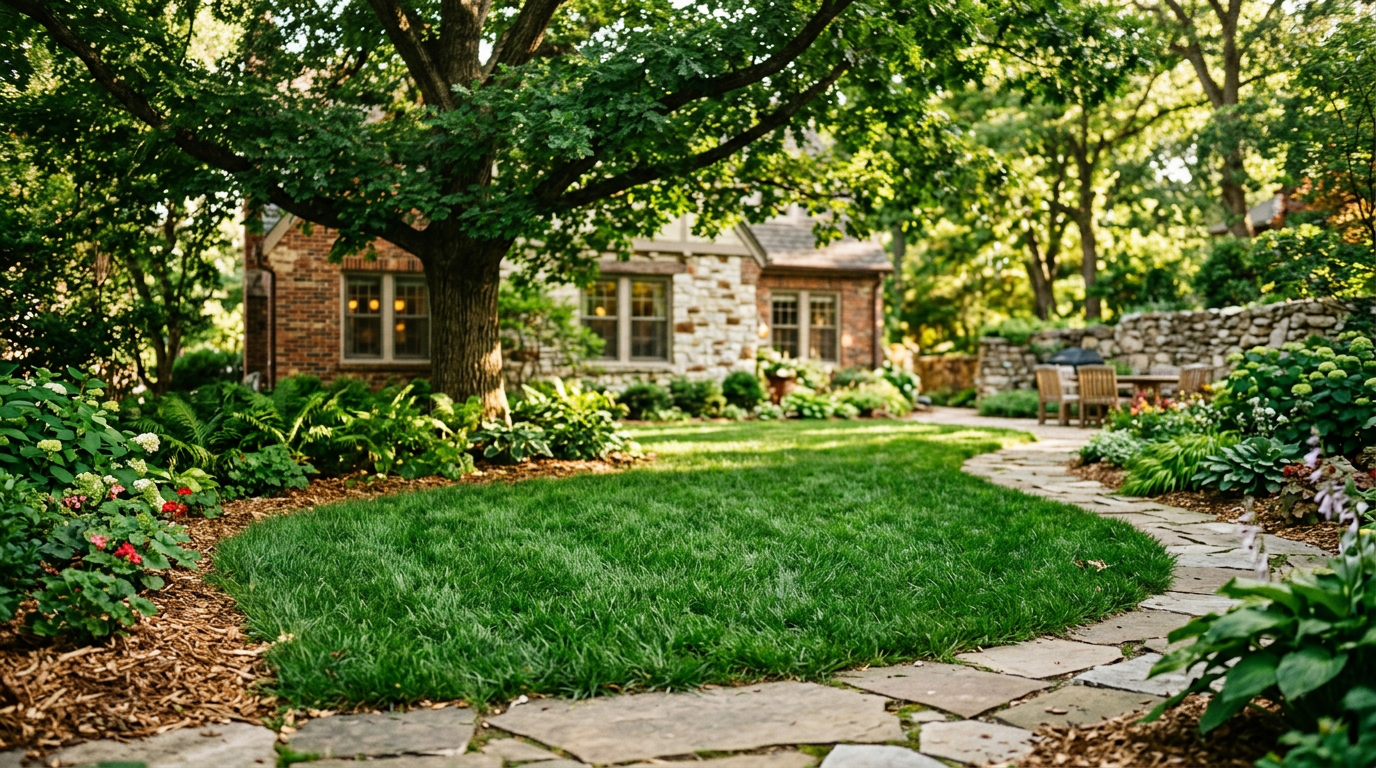
Let's be honest. That patchy, sad-looking area under your giant oak tree is an eyesore. You've thrown seed down, you've watered it, you've probably sworn at it. Nothing works. It's the part of the lawn you've given up on, resigning yourself to a future of mud or mulch.
We're here to tell you to stop. It's not your fault; it's your seed's fault. Most grass varieties sold at big box stores are sun worshippers. They need 6-8 hours of direct sun to thrive, and that shady spot under the maple tree is giving them about three.
But here’s the secret the pros know: not all grass is created equal. Some varieties don't just tolerate shade; they're built for it. In this guide, we're skipping the vague advice and giving you the exact grass types, product names, and step-by-step methods to finally conquer those stubborn shady spots. No gatekeeping, just green grass.
Why Is Growing Grass in Shade So Darn Hard?
Before we get to the solutions, let's understand the problem. It's not just about a lack of sunlight, though that's a big part of it. Grass needs light for photosynthesis—the process of turning sunlight into energy. Without enough of it, grass gets leggy, thin, and weak, making it vulnerable to everything else.
Shady areas create a triple-threat environment for your lawn:
- Water & Nutrient Competition: That beautiful, mature tree providing the shade has a massive root system. Those roots are greedy, sucking up water and nutrients from the soil long before your grass seed gets a chance.
- Poor Air Circulation: The dense canopy of leaves that blocks the sun also blocks the wind. This stagnant, humid air is a perfect breeding ground for fungal diseases like powdery mildew, which can decimate a young lawn.
- Soil Issues: Years of falling leaves can alter the soil's pH, often making it more acidic than turfgrass prefers. The soil might also be more compacted from a lack of healthy turf breaking it up.
So, you're not just fighting a light problem; you're fighting a resource war against a 50-foot-tall behemoth. To win, you need to choose the right soldiers.
The Best Grass Seed Types for Shady Lawns
Forget the generic "Sun & Shade" bags for a moment. To really understand what you're buying, you need to know the specific species of grass that work in low light. These are the names you should look for on the analysis tag on the back of the seed bag.
- Fine Fescues (Creeping Red, Chewings, Hard Fescue): These are the kings of shade. If you have a deeply shaded area, a blend of Fine Fescues is your best bet. They have a fine, delicate texture, low water requirements, and don't need much fertilizer. Their only downside? They aren't big fans of heavy foot traffic. Perfect for that spot under the trees, less so for a shady kids' play area.
- Tall Fescue: This is the workhorse of the shade-tolerant world. While it doesn't tolerate deep shade as well as its Fine Fescue cousins, it's much more durable and drought-resistant thanks to its incredibly deep root system. If your area gets a mix of sun and shade throughout the day, a new-generation Turf-Type Tall Fescue (TTTF) is an excellent choice.
- Rough Bluegrass (Poa Trivialis): This grass loves shade and moist soil. It's often included in shade mixes to help provide quick color. The catch is its name: trivialis. It checks out when summer heat and drought arrive, turning brown and going dormant. It's a good team player in a mix, but a poor choice on its own unless you live in a cool, consistently damp climate.
- Poa Supina (Supina Bluegrass): This is the nuclear option. It's the most shade-tolerant grass you can buy, used on high-end sports fields in stadiums with punishing shadows. It's also extremely expensive, aggressive, and can be hard to find. We consider it an option for the obsessed lawn care enthusiast with a big budget.
Grasses to AVOID for shade: Kentucky Bluegrass, Perennial Ryegrass (unless it's a minor part of a mix for fast germination), Bermuda Grass, and Zoysia Grass all need significant sun to survive.
Our Top 4 Recommended Shade Grass Seed Blends
We've tested our fair share of seed bags. Here are the ones we consistently recommend, from budget-friendly options to pro-level blends.
-
Jonathan Green Black Beauty Dense Shade ($38 for a 7 lb bag): This is our top pick for most homeowners. It's a fantastic mix of several different types of Tall Fescues and Fine Fescues. The seed quality is top-notch, with an invisible waxy coating (Love Your Soil®) that helps retain moisture during germination. It balances shade tolerance and durability beautifully.
-
Scotts Turf Builder Dense Shade Mix ($25 for a 3 lb bag): You can find this everywhere, and it's a reliable performer. It's primarily a blend of Fine Fescues, which makes it excellent for areas with very low light. The seeds are coated with Scotts' 4-in-1 WaterSmart PLUS coating, which includes fertilizer to help seedlings get started. A great, accessible choice.
-
Pennington Smart Seed Dense Shade Mix ($30 for a 7 lb bag): Similar to the Scotts mix, Pennington's offering is heavy on shade-loving fescues. Their claim to fame is the Penkoted technology, a coating that helps the seed retain moisture. They guarantee you'll see growth in 8 to 14 days, and in our experience, it germinates reliably.
-
Outsidepride Shady Place Fescue Grass Seed Mix ($60 for a 10 lb bag): If you're serious about your shade and want a professional-grade product, this is it. This mix contains multiple elite cultivars of Chewings Fescue and Creeping Red Fescue. It's pure seed—no coatings or fillers—and is designed for establishing a lush, dense turf in as little as 3-4 hours of sun per day.
How to Plant Grass Seed in Shady Areas for Success
Buying the right seed is half the battle. The other half is proper planting. We've learned the hard way that you can't just toss seed on the ground and hope for the best, especially in a competitive environment.
Follow these steps for the best results:
- Step 1: Timing is Key. The absolute best time to plant cool-season shade grass is late summer or early fall (late August to early October). The soil is still warm from the summer, which speeds up germination, but the cooler air reduces stress on the new seedlings. Weed competition is also much lower in the fall.
- Step 2: Prepare the Battleground. Start by vigorously raking the area to remove all leaves, twigs, and dead grass. If you have a thick layer of thatch, you might need to dethatch the lawn. Use a garden rake or cultivator to loosen the top 1-2 inches of soil. This gives the new roots a place to go. If the ground is rock-hard, you might even consider aerating without a machine using a pitchfork.
- Step 3: Seed and Feed. Use a handheld spreader to apply the grass seed at the rate recommended on the bag (usually a heavier rate for bare spots). Immediately follow up with a starter fertilizer. These are high in phosphorus, which is critical for root development.
- Step 4: Cover and Protect. Lightly rake the seed so it makes good contact with the soil. Then, cover the entire area with a very thin layer (1/8 inch) of peat moss or high-quality compost. This light covering helps keep the seeds moist, hides them from birds, and adds beneficial organic matter.
- Step 5: Water, Water, Water. This is the most critical step. The goal is to keep the top inch of soil consistently moist—not soggy—until the grass is established. This may mean light watering twice a day for the first 2-3 weeks. For more details on this, check out our guide on the best time to water grass.
Long-Term Care for a Thriving Shade Lawn
You did it. The grass is growing. Now how do you keep it that way? A shade lawn needs a slightly different care routine.
First, mow high. Set your mower to one of its highest settings, around 3.5 to 4 inches. Taller grass blades have more surface area to capture what little sunlight they receive. Following a proper mowing schedule is crucial; we break it down in our guide on how often to mow your lawn.
Second, manage expectations and resources. According to the University of Maryland Extension, a dense tree canopy can block 70% to 95% of sunlight from reaching the ground, making photosynthesis a significant challenge for even the most shade-tolerant grass. (https://extension.umd.edu/resource/growing-grass-shade) This means you should also consider pruning your trees. Simply removing some of the lower limbs can allow more angled, low-horizon sunlight to reach the ground in the morning and evening, which can make a huge difference.
Finally, accept that a shade lawn is an ongoing project. The grass will naturally thin out over time due to the stressful conditions. The secret to long-term success is to overseed the lawn every single fall. This practice, which only takes a couple of hours, replenishes the turf and keeps it looking thick and healthy year after year.
Frequently asked
What is the absolute most shade-tolerant grass seed?+
For most homeowners, Fine Fescues (Creeping Red, Chewings) are the best and most available choice for deep shade. For professionals or those with big budgets, Poa Supina (Supina Bluegrass) offers unparalleled shade tolerance but at a much higher cost and with more aggressive growth.
Can grass grow in 100% full shade?+
No. All grass needs some sunlight for photosynthesis. The most shade-tolerant varieties require a minimum of 3-4 hours of dappled or indirect sunlight per day. For areas in total darkness, consider shade-loving ground covers like Pachysandra, Vinca minor, or simply using mulch.
How do I fix thin, patchy grass in shady spots?+
The best way is to overseed in the fall. Rake the area to remove debris and loosen the soil, spread a high-quality dense shade grass seed mix, apply a starter fertilizer, and cover with a thin layer of peat moss. Water daily until the new grass is established.
Should I fertilize grass in the shade more?+
No, you should fertilize it less. Shade-grown grass grows more slowly and has lower nutritional needs. Over-fertilizing, especially with nitrogen, can encourage weak, spindly growth and make the lawn more susceptible to fungal diseases. A light feeding in the fall is usually sufficient.
Is it okay to mix shade seed with my regular lawn seed?+
Yes, it's a great strategy for lawns with varying light conditions. Many 'Sun and Shade' mixes are pre-blended for this purpose. Adding a shade-tolerant variety like Fine Fescue to your overseeding blend will help thicken up the areas under trees and along the house.