
Best Grass for Georgia: 5 Expert Picks for 2024
Don't gamble with your Georgia lawn. We'll show you exactly which grass types—from Bermuda to Zoysia—will thrive in the punishing heat from Atlanta to Savannah.
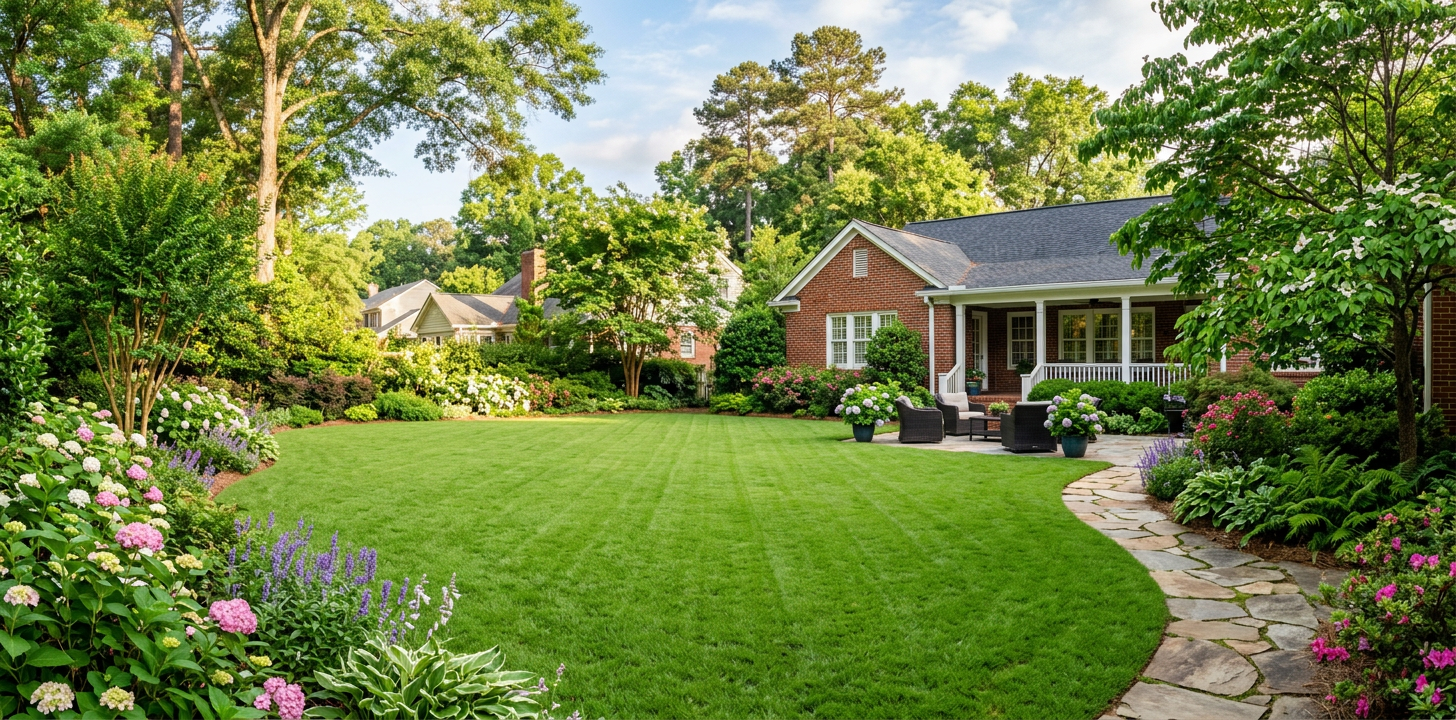
Picking the right grass for your lawn in Georgia isn't just a suggestion; it's a battle plan. Our state is smack in the middle of the infamous 'transition zone,' which means our winters are too cold for some southern grasses and our summers are a full-on furnace for northern grasses. Getting it wrong means a year of frustration, wasted money, and a sad, patchy yard.
We're not here to gatekeep turf secrets. We're here to give you the straight scoop on which grasses will actually survive—and thrive—from the Blue Ridge Mountains down to the coast. We've seen what works and what turns into a dusty mess by August. Let's dig in.
Understanding Georgia's Climate: The Transition Zone Gauntlet
Before you can pick your grass, you have to respect the battlefield. Georgia spans USDA Hardiness Zones 6b to 9a. This means folks in Blairsville face a totally different set of challenges than homeowners in Valdosta. The northern third of the state can get legitimate freezes, while the southern two-thirds bake in relentless summer heat and humidity.
This is the core of the problem:
- Warm-Season Grasses: These are the champs of the South (Bermuda, Zoysia, etc.). They love heat and go dormant (turn brown) after the first hard frost. They're perfect for Central and South Georgia.
- Cool-Season Grasses: These are your northern heroes (Fescue, Ryegrass, Bluegrass). They stay green all winter but can get scorched and die out during a typical Georgia summer.
Your location within Georgia is the single most important factor. What works for your cousin in Alpharetta will likely fail in Macon.
The Best Warm-Season Grasses for Georgia Lawns
For at least 80% of Georgia, a warm-season grass is the right call. They are built for the heat, are drought-tolerant once established, and can handle the humidity. Here are our top picks.
1. Bermudagrass: The Tough-as-Nails Champion
If you have full, direct sun for at least 8 hours a day, Bermudagrass is your workhorse. It's incredibly durable, drought-tolerant, and repairs itself quickly from damage, making it great for families with kids and pets.
- Pros: Unmatched heat and drought tolerance, fast-growing, stands up to heavy traffic.
- Cons: Must have full sun, very aggressive (will invade flower beds), requires frequent mowing, and builds up thatch. If you have Bermuda, learning how to dethatch a lawn is essential.
- Our Pick: 'TifTuf' Bermuda. Developed by UGA researchers in Tifton, it's the gold standard for drought tolerance. You'll water it up to 38% less than other Bermuda varieties.
- Cost: Seeding common Bermuda is cheap, but hybrid sod like TifTuf will run you $200-$300 per pallet (450 sq. ft.) from a Georgia sod farm like Super-Sod.
2. Zoysia: The Luxury Choice
Zoysia is what you choose when you want a dense, dark green, carpet-like lawn that feels amazing under your feet. It's slower growing than Bermuda but has better shade tolerance, making it more versatile for yards with mature trees.
- Pros: Extremely dense, beautiful appearance, good shade tolerance (for a warm-season grass), lower maintenance than Bermuda once established.
- Cons: Expensive, very slow to establish and recover from damage, prone to a disease called large patch.
- Our Pick: 'Zeon' Zoysia. It's a fine-bladed variety with excellent shade tolerance and a stunning look. It's the grass used on many high-end golf course fairways for a reason.
- Cost: Zoysia is a premium product. Expect to pay $250-$350 per pallet for Zeon Zoysia sod.
3. Centipede: The Low-Maintenance Option
Often called the 'lazy man's grass,' Centipede is king in South and Middle Georgia. It requires less mowing, less fertilizer, and thrives in the acidic, sandy soils common in those regions. It's a lighter, apple-green color.
- Pros: Very low maintenance, doesn't need much fertilizer, grows slowly.
- Cons: Doesn't tolerate heavy traffic, poor cold tolerance (not for North GA), sensitive to iron deficiencies which can make you wonder why is my grass turning yellow.
- Our Pick: Standard Centipede seed or sod works great. You can pick up a pound of coated Centipede seed like Pennington's for about $25.
- Cost: The most affordable option for establishing a new lawn from seed.
4. St. Augustine: The Coastal King
For those along Georgia's coast from Savannah to St. Marys, St. Augustine is a fantastic choice. It has the best shade tolerance of any warm-season grass but needs more water than the others. Its coarse, broad blades create a lush, tropical look.
- Pros: Best shade tolerance among warm-season grasses, excels in sandy soil and salty air.
- Cons: Needs a lot of water, very susceptible to chinch bugs and fungal diseases, does not tolerate cold at all.
- Our Pick: 'Palmetto' is a popular variety known for slightly better cold tolerance and a deeper green color.
- Cost: Sod is the only way to plant it. Prices are comparable to Bermuda, around $200-$275 per pallet.
What About Cool-Season Grass in Georgia? The Fescue Factor
If you live north of Atlanta—think Cumming, Canton, or up into the mountains—you can absolutely grow a cool-season lawn. The only real contender here is Tall Fescue.
5. Tall Fescue: The North Georgia Standard
Tall Fescue stays green year-round, which is a major selling point. The newer Turf-Type Tall Fescue (TTTF) varieties have much better heat tolerance than the old 'Kentucky 31' pasture grass. It's the default lawn for most of the northern Atlanta suburbs.
- Pros: Stays green all year, good shade tolerance, establishes quickly from seed.
- Cons: Struggles mightily in summer heat and drought, requires significant watering in July/August, needs to be overseeded every fall to repair summer damage. It's a completely different management style than its Southern counterparts, almost like we see with lawns in neighboring Alabama.
- Our Pick: Look for a quality blend of several TTTF varieties. Scotts Turf Builder Tall Fescue Mix is widely available at Home Depot for about $60 per 20 lb. bag.
- Required Maintenance: Learning how to overseed a lawn is not optional with Fescue in Georgia. You must do it each fall to keep the lawn thick and healthy.
Georgia-Specific Lawn Care Realities: Red Clay and Summer Heat
No matter which grass you choose, you'll be fighting Georgia's infamous red clay soil. It's acidic, dense, and compacts easily, starving your grass roots of oxygen and water. Your first step should always be a soil test through your local UGA Extension office. It costs about $20 and will tell you exactly how much lime you need to apply to balance the pH.
Proper watering is also critical. According to the University of Georgia Extension, established lawns need 1 to 1.5 inches of water per week during the summer peak. It's crucial to apply this all at once or in two deep soakings to encourage deep root growth, not shallow, frequent watering that promotes disease. Following a smart schedule is key; check our guide on the best time to water grass for a full breakdown.
For that compacted clay, annual core aeration is a non-negotiable ritual. It will dramatically improve the health of any Georgia lawn, allowing water and nutrients to reach the root zone.
Our Top Pick for Most Georgia Homeowners
Let's cut to the chase. If we had to plant one grass across most of Georgia, it would be TifTuf Bermudagrass. Its scientific-backed drought tolerance and durability are simply unmatched for our long, hot summers. It's not the easiest grass to manage, but it is the most likely to survive and look good when everyone else's lawn is toast.
The exception: If you live north of I-20 and have significant tree shade, go with Zeon Zoysia. You'll pay more upfront, but its beauty and lower maintenance needs (less mowing and fertilizing than Bermuda) make it a fantastic long-term investment.
And for anyone in the true mountain or North Metro Atlanta counties, Tall Fescue is your champion for that year-round green. Just be prepared for the annual fall overseeding ritual.
Frequently asked
Can I mix grass types in Georgia?+
Generally, no. Warm-season grasses (like Bermuda) and cool-season grasses (like Fescue) have different growth habits and maintenance needs. You can overseed Bermuda with ryegrass for winter color, but don't mix dominant turf types permanently.
What's the cheapest grass for a Georgia lawn?+
Centipede grass is often called the 'poor man's grass' for its low fertility needs and relatively inexpensive seed cost (around $25 per pound). However, common Bermudagrass grown from seed can also be very cost-effective if you have full sun.
What is the best grass for shady areas in Georgia?+
For a warm-season grass, Zeon Zoysia and Palmetto St. Augustine have the best shade tolerance. In North Georgia, Turf-Type Tall Fescue is your best bet for shady spots, as it's a cool-season grass naturally adapted to less direct sun.
When should I plant grass seed in Georgia?+
Plant warm-season grasses like Bermuda and Centipede from May to July. This gives the seed the summer heat it needs to germinate. For cool-season Tall Fescue in North Georgia, the best time is in the fall, from September to mid-October.
How much does sod cost in Georgia?+
Sod prices vary by type. Expect to pay around $250-$350 for a pallet (450 sq ft) of premium Zoysia. A pallet of TifTuf Bermuda might run $200-$300 from local farms like NG Turf or Super-Sod. Centipede is often slightly cheaper.