
Best Grass for Georgia: 5 Top Picks for Your Lawn
Choosing the right grass for Georgia's unique climate is half the battle. We'll show you the top warm-season grasses that thrive in the Peach State, so you can stop fighting your lawn and start enjoying it.
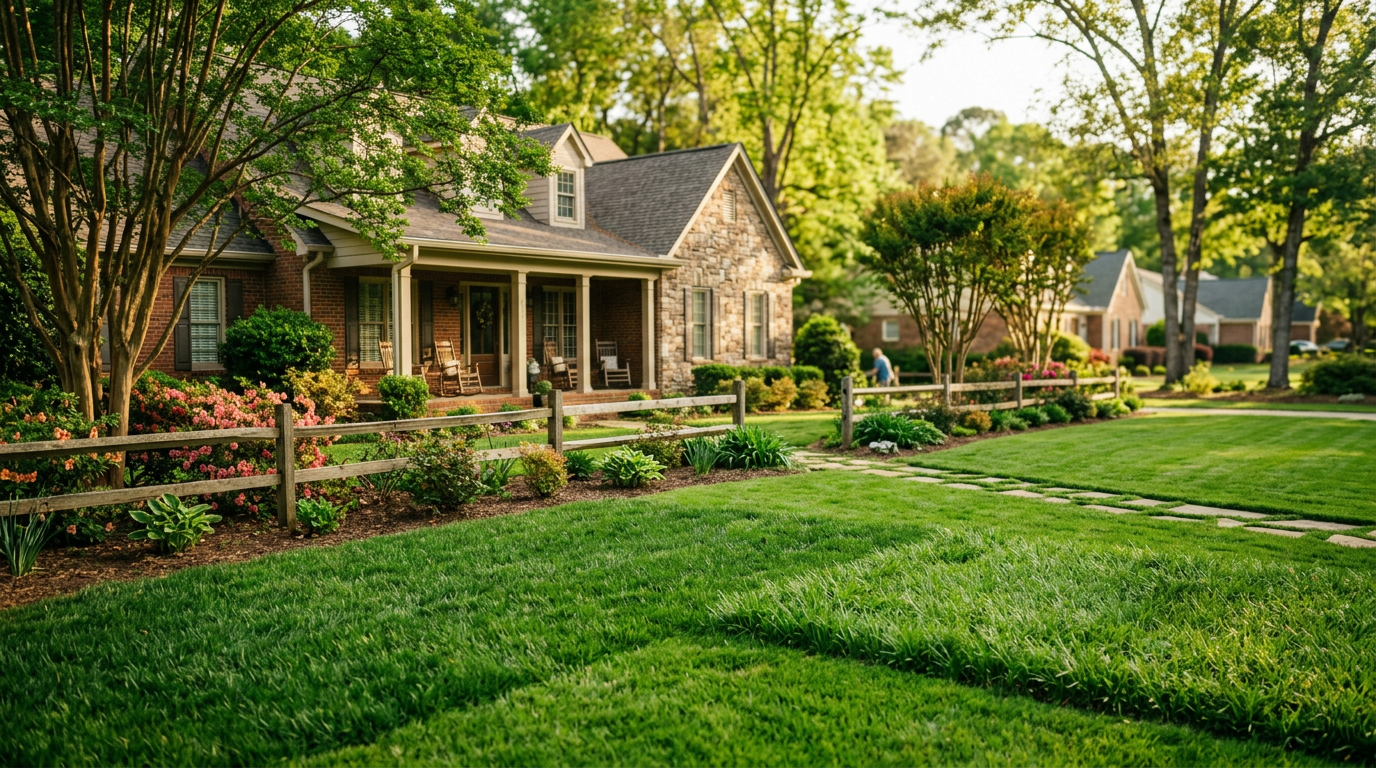
Let's be blunt: growing the perfect lawn in Georgia is a special kind of challenge. From the Blue Ridge mountains down to the coastal plains, our state's climate throws a little bit of everything at us. We've got brutal summer heat, oppressive humidity, that infamous red clay, and winters that are just cold enough to make most grasses unhappy. That's why picking the right type of grass from the start is the single most important decision you'll make for your yard. Get it right, and you'll have a barefoot-worthy carpet. Get it wrong, and you'll spend years fighting a losing battle.
We're here to help you win. Forget the marketing fluff from big box stores. We're breaking down the five best grass types that actually thrive in Georgia, based on our real-world experience and solid horticultural science.
Understanding Georgia's Unique Lawn Climate
Georgia sits squarely in what lawn pros call the "transition zone." It's a horticultural Mason-Dixon Line where it’s a bit too hot for cool-season grasses (like Kentucky Bluegrass) to be truly happy, and a bit too cold for some tropical warm-season grasses to survive the winter without damage. Your specific location in Georgia matters immensely.
- North Georgia (USDA Zones 6b-7b): Areas like Blue Ridge, Dalton, and the Atlanta suburbs. Here, cool-season grasses like Tall Fescue have a fighting chance, especially in yards with some shade. Winters are colder and can kill off less hardy warm-season types.
- Central & South Georgia (USDA Zones 8a-9a): Macon, Savannah, Valdosta. This is pure warm-season grass territory. The summers are long and scorching, and winters are mild. Trying to grow a cool-season grass here is a fool's errand.
On top of that, you're likely dealing with acidic, heavy clay soil that compacts easily and either holds too much water or bakes into a brick. That means your grass choice needs to be tough.
Our Top 5 Best Grass Types for Georgia Lawns
We've laid, seeded, and maintained them all. Here are the grasses that consistently perform the best across the Peach State.
1. Bermuda Grass: The Sun-Loving Champion
If you have a yard that gets at least 8 hours of direct, blistering sun a day, Bermuda is your king. It's incredibly tough, drought-tolerant, and repairs itself quickly from damage, making it perfect for families with kids and pets.
- Pros: Unmatched heat and drought tolerance, stands up to heavy traffic, spreads quickly.
- Cons: Needs full, direct sun. It will not grow in shade. It's also an aggressive grower, requiring frequent mowing (at least weekly) and can invade flower beds if not edged properly. It's dormant and brown in winter.
- Best For: Full-sun yards across Central and South Georgia.
- Our Pick: Look for improved cultivars like 'TifTuf' Bermuda. Developed by the turfgrass experts at the University of Georgia in Tifton, it’s one of the most drought-tolerant grasses on the market. Sod from a Georgia supplier like Super-Sod runs about $0.60 - $0.90 per square foot.
2. Zoysia Grass: The Luxury Carpet
If you want a dense, dark green lawn that feels amazing under your feet, Zoysia is the top contender. It handles Georgia's heat beautifully and has better shade tolerance than Bermuda, making it a versatile choice for many suburban lots.
- Pros: Very dense growth chokes out weeds, great feel, good drought tolerance, more shade tolerant than Bermuda.
- Cons: It's a slow grower, so it takes longer to establish and recover from damage. It's also one of the more expensive grasses upfront. It will also go dormant and turn tan in the winter.
- Best For: Homeowners who want a premium, manicured look and have a mix of sun and partial shade. It’s very popular in the metro Atlanta area.
- Our Pick: 'Zeon' Zoysia is famously beautiful and fine-bladed. 'Emerald' Zoysia is another classic, known for its deep green color. Expect to pay a premium for sod, typically $0.80 - $1.20 per square foot.
3. Centipede Grass: The Low-Maintenance Option
Often called "the lazy man's grass," Centipede is the answer for anyone who wants a decent lawn without a ton of work. It thrives in the acidic, sandy soils of South and Central Georgia and requires significantly less fertilizer and mowing than Bermuda or Zoysia.
- Pros: Very low maintenance, doesn't need much fertilizer, grows slowly (less mowing!), tolerates poor soil.
- Cons: Doesn't handle heavy traffic well. It has a very specific low-fertility need; using a standard "weed and feed" can actually harm it. It's also prone to turning yellow due to iron deficiency (a condition called chlorosis). Has poor shade tolerance.
- Best For: Large, low-traffic areas in South and Central Georgia, especially if you have sandy, acidic soil.
- Our Pick: Centipede is often grown from seed. A product like TifBlair Centipede from Georgia-based Patten Seed Company is a reliable choice. A 5lb bag, covering up to 5,000 sq ft, costs around $110.
4. Tall Fescue: The North Georgia Solution
This is our one cool-season grass on the list, and it's here specifically for folks in North Georgia. If you live north of a line from Atlanta to Athens and have a yard with mature trees and shade, Tall Fescue is your best bet because it will stay green all year.
- Pros: Stays green through the winter, has the best shade tolerance of any grass on this list, grows well in the mountains and northern Piedmont.
- Cons: It's a cool-season grass, so it struggles mightily in the summer heat and needs a lot more water than warm-season types. It doesn't spread or self-repair, so you'll need to overseed your lawn every fall to fill in bare spots.
- Best For: Shady lawns in the northern third of Georgia.
- Our Pick: Look for heat-tolerant turf-type Tall Fescue blends. Pennington's The Rebels brand is widely available at stores like Pike Nurseries and specifically blended for southern transition zones. It's a great choice for yards that need a shade-tolerant grass.
5. St. Augustine Grass: The Coastal Favorite
St. Augustine is a classic Southern grass with wide, coarse blades that form a thick turf. It has good shade tolerance (better than Centipede, not as good as Fescue) but is the least cold-tolerant on our list, making it suitable only for the warmest parts of the state.
- Pros: Excellent shade tolerance for a warm-season grass, aggressive growth that crowds out weeds.
- Cons: Poor cold tolerance (don't plant it north of Macon), requires a lot of water, susceptible to pests like chinch bugs and fungal diseases like large patch.
- Best For: Shady coastal and South Georgia lawns.
- Our Pick: Cultivars like 'Raleigh' and 'Palmetto' are workhorses, but newer varieties offer better disease resistance. It's almost always established via sod, with prices similar to Zoysia.
Key Factors When Choosing Your Georgia Grass
Okay, you've seen the lineup. How do you pick? Ask yourself three questions:
- How much sun does my yard get? Be honest. Eight-plus hours is full sun (Bermuda). Four to six hours is partial shade (Zoysia, St. Augustine). Less than four is deep shade (Tall Fescue in North GA, or groundcover elsewhere).
- How much work am I willing to do? High-maintenance (Bermuda) means weekly mowing and a strict fertilizer schedule. Low-maintenance (Centipede) means mowing every 10-14 days and fertilizing maybe once a year.
- How much water do I want to use? Georgia's Environmental Protection Division enforces a statewide watering schedule, typically allowing no outdoor watering between 10 a.m. and 4 p.m. During droughts, restrictions get tighter. Choosing a drought-tolerant grass like TifTuf Bermuda or Zoysia isn't just eco-friendly, it's wallet-friendly. Always remember the best time to water grass is early morning to minimize evaporation.
According to the University of Georgia Extension, proper lawn care can significantly increase a home's value, often by as much as 15%. However, much of the money Georgia homeowners spend on their lawns is wasted on the wrong grass type for their location or on incorrect maintenance practices like over-fertilizing Centipede or trying to grow Bermuda in the shade. (Source: extension.uga.edu)
How Much Does New Grass Cost in Georgia?
We've laid our fair share of TifTuf Bermuda sod on a hot July day in Cumming, and let us tell you, the result is worth the sweat. But we've also seen neighbors fight a losing battle with Fescue south of I-20. The key is working with the Georgia climate, not against it.
Here’s a rough cost breakdown for a typical 5,000 square foot suburban lawn:
- Seeding: This is the Dirt Cheap Genius way if you have the patience. A bag of quality Bermuda or Centipede seed might cost $100-$300. Tall Fescue is similar. The main cost is your time and water.
- Sodding: This gives you an instant lawn but comes at a price. For 5,000 sq ft, you're looking at material costs of $3,000-$4,500 for Bermuda, and $4,000-$6,000 for Zoysia. Professional installation can double that cost.
Making the right choice upfront saves you thousands in the long run. Choose the grass that fits your sun, your region, and your willingness to fire up the mower. That's the secret to a great Georgia lawn.
Frequently asked
What is the easiest grass to grow in Georgia?+
Centipede grass is often called the easiest grass for Georgia due to its low fertilizer and mowing needs. It thrives in the acidic, sandy soils of Central and South Georgia but has poor shade and traffic tolerance compared to Zoysia or Bermuda.
What grass stays green all year in Georgia?+
Tall Fescue, a cool-season grass, is the only common lawn type that can stay green year-round in Georgia. However, it only thrives in the northern part of the state (the 'transition zone') and requires significant water and care to survive the hot summers.
Can I mix grass types in my Georgia lawn?+
It's generally not recommended to mix warm-season grasses like Bermuda and Zoysia. However, homeowners in North Georgia often [overseed](/how-to-overseed-a-lawn) their dormant Bermuda lawns with annual ryegrass for winter color, though this is a high-maintenance practice.
When is the best time to plant grass seed in Georgia?+
For warm-season grasses like Bermuda or Centipede, plant seed in late spring or early summer (May-July). For cool-season Tall Fescue in North Georgia, the best time to plant is in the fall (September-October) to allow roots to establish before summer heat.
What's the best grass for Georgia's red clay soil?+
Zoysia and Bermuda grass can both perform well on amended Georgia red clay. The key is proper soil preparation, including tilling and adding several inches of organic compost to improve drainage and structure before planting sod or seed.