
Best Grass for Georgia: 5 Top Picks for a Perfect Lawn
Choosing the right turf for Georgia's hot, humid summers and tricky transition zone can feel impossible. We'll show you the 5 best grass types that actually thrive here.
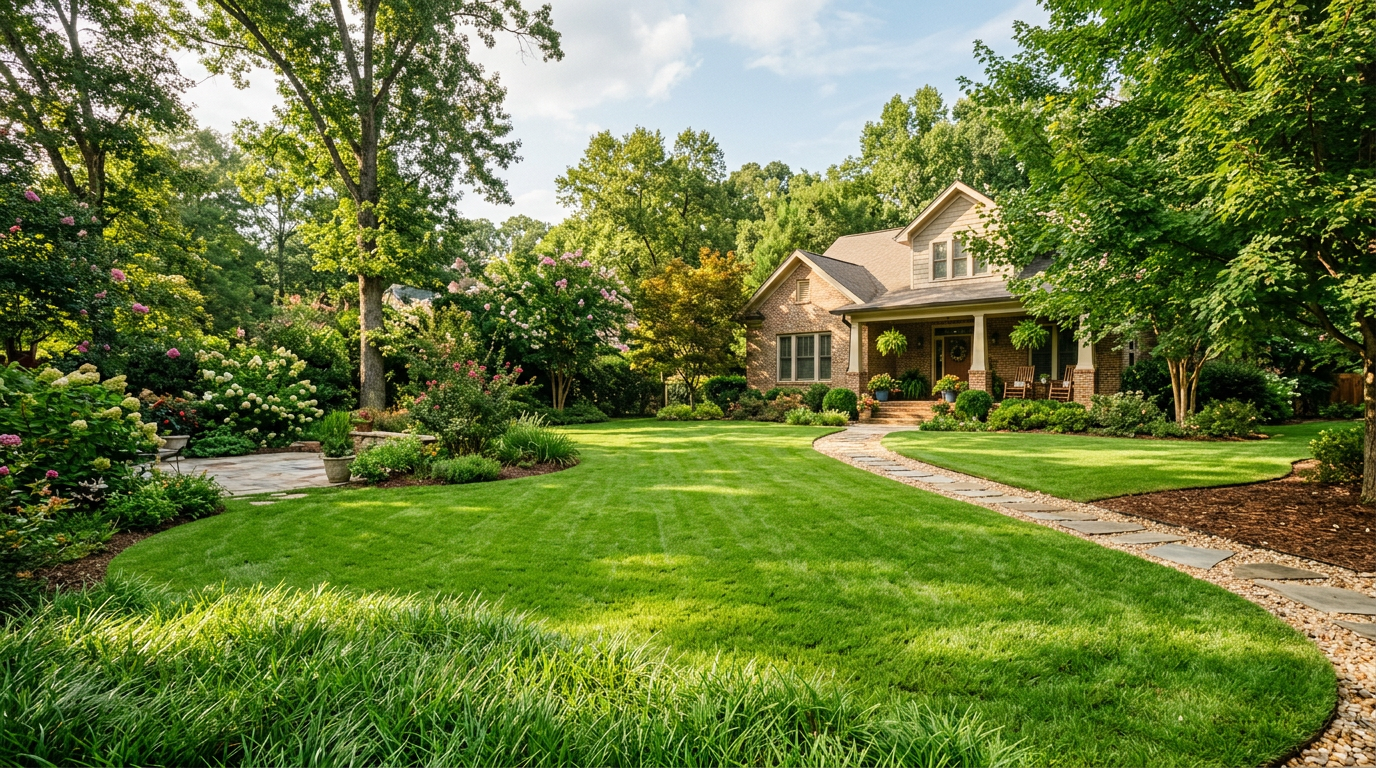
Let's get one thing straight: growing a perfect lawn in Georgia is a battle. You're fighting brutal summer heat, oppressive humidity, and a climate that can’t decide if it’s northern or southern. Welcome to the 'transition zone,' the Bermuda Triangle of American lawns where both cool-season and warm-season grasses struggle to look their best 365 days a year. But don't despair. With the right grass selection, you can have a lawn that’s the envy of the cul-de-sac. We're here to cut through the noise and give you the real-deal recommendations for the best grass in Georgia.
Understanding Georgia's Unique Climate: The Transition Zone
Before you throw a single seed, you need to understand the battlefield. Georgia sits squarely in what turfgrass experts call the transition zone. This means it's generally too hot in the summer for cool-season grasses (like Kentucky Bluegrass) to thrive without intensive care, and winters can get just cold enough to send warm-season grasses (like Bermuda) into a long, brown dormancy.
Because of this, your specific location within Georgia is critical:
- North Georgia (Atlanta north to the mountains): You have a choice. You can go with a tough warm-season grass that will be brown for 4-5 months, or you can commit to a cool-season grass like Tall Fescue that stays green year-round but needs a lot of water and attention to survive July and August.
- Middle & South Georgia (Macon, Columbus, Augusta, Savannah): Forget the cool-season stuff. It's a warm-season grass game down here, period. Your job is to pick the right type of warm-season grass for your sun exposure, soil, and maintenance level.
Choosing the wrong type for your zone is like trying to grow peaches in Alaska—a frustrating, expensive failure. Let's make sure that doesn't happen.
The Best Warm-Season Grasses for Georgia Lawns
For 90% of Georgia, a warm-season grass is the right answer. These grasses are built for the heat, actively grow from spring through fall, and go dormant (turn brown) after the first hard frost. Here are the top contenders.
1. Bermudagrass: The Sun-Loving Champion
If you have a yard with at least 8 hours of direct sun, Bermudagrass is your MVP. It’s tough, recovers quickly from damage, and handles drought like a champ once established. This is the grass you see on golf course fairways and athletic fields across the state for a reason.
- Pros: Unmatched heat and drought tolerance, withstands heavy foot traffic, spreads quickly to fill in bare spots, relatively low water needs.
- Cons: Requires full sun (will thin out and die in shade), aggressive growth can invade flower beds, goes completely dormant and brown in winter.
- Top Cultivars: TifTuf™ Bermuda is the star player. Developed by the turfgrass experts at the University of Georgia in Tifton, it’s prized for its superior drought tolerance and beautiful dark green color. Celebration® is another great option with slightly better shade tolerance.
- Cost: TifTuf™ sod from Georgia suppliers like Super-Sod or NG Turf typically runs $0.90 to $1.15 per square foot. Common Bermuda seed is much cheaper but won't produce the same quality turf.
2. Zoysiagrass: The Premium, Shade-Tolerant Pick
Think of Zoysia as the luxury sedan of Georgia lawns. It forms an incredibly dense, carpet-like turf that feels amazing underfoot. Its key advantage over Bermuda is better shade tolerance, making it a great choice for yards with mature trees. It can thrive on as little as 4-5 hours of direct sun.
- Pros: Excellent density, good wear resistance, good drought tolerance, more shade tolerant than Bermuda.
- Cons: Very slow to establish and recover from damage, more expensive than Bermuda, prone to developing a thick layer of thatch which may require dethatching.
- Top Cultivars: Zeon Zoysia is the gold standard, known for its fine blade texture and great shade performance. Emerald Zoysia is an older, beautiful classic, while Zenith Zoysia is one of the few varieties that can be successfully grown from seed.
- Cost: Expect to pay a premium. Zeon Zoysia sod is often $1.20 to $1.50 per square foot. A 5 lb. bag of Zenith seed can cost over $120.
3. Centipedegrass: The Low-Maintenance Option
Often called "the lazy man's grass," Centipede is the go-to for homeowners in Middle and South Georgia who want a decent-looking lawn with minimal effort. It requires less mowing, less fertilizer, and performs well in the acidic, sandy soils common south of the Fall Line.
- Pros: Very low maintenance, requires little fertilizer, slow-growing (less mowing), well-adapted to poor soils.
- Cons: Not very traffic tolerant, shallow root system makes it less drought-tolerant than Bermuda or Zoysia, very susceptible to iron chlorosis (which turns your grass yellow), slow to recover from injury.
- Cost: Centipede is much more affordable, especially from seed. Sod costs are usually under $1.00 per square foot.
A Cool-Season Contender for North Georgia: Tall Fescue
If you live in Brasstown Bald's shadow and the idea of a brown winter lawn is unacceptable, Turf-Type Tall Fescue (TTTF) is your best bet. This is a cool-season grass, meaning it stays green all year but does its best growing in the mild temperatures of spring and fall. Surviving a Georgia summer is its final exam, every single year.
We've seen plenty of gorgeous Fescue lawns in Blue Ridge, Ellijay, and the northern Atlanta suburbs. But be warned: it's a commitment.
- Pros: Stays green year-round, good shade tolerance, establishes quickly from seed.
- Cons: Requires a lot of water to survive summers, susceptible to brown patch disease in the humidity, will likely need to be overseeded each fall to repair summer damage.
- Top Cultivars: Look for heat-tolerant TTTF blends. Brands like Pennington's The Rebel or Scotts Turf Builder Tall Fescue mixes are widely available at stores like Pike Nurseries or Home Depot and contain varieties bred for better southern performance.
- Cost: Tall Fescue is almost always planted from seed, making it very cost-effective to install. A 7 lb. bag that covers 1,750 sq. ft. costs around $30-$40.
How to Choose the Right Grass for Your Georgia Yard
Still on the fence? Answer these simple questions to find your perfect match.
-
How much direct sun does my lawn get?
- 8+ hours: Bermuda is your best friend.
- 4-7 hours: Zoysia or Tall Fescue are your prime candidates.
- Less than 4 hours: You might need to look at groundcovers instead. Most grasses, even shade-tolerant ones, will struggle. Check our guide on the best grass seed for shade.
-
Where in Georgia am I?
- North of Atlanta: Tall Fescue is a strong possibility. Bermuda and Zoysia are also excellent.
- South of Atlanta / Coastal: Stick with Bermuda, Zoysia, Centipede, or St. Augustine.
-
How much traffic will the lawn get?
- High Traffic (kids, dogs): Bermuda is the clear winner. Zoysia is a close second.
- Low Traffic: Centipede or Tall Fescue will do just fine.
-
How much work am I willing to do?
- Low Maintenance: Centipede is the champion.
- Medium Maintenance: A well-managed Bermuda or Zoysia lawn.
- High Maintenance: Keeping a Tall Fescue lawn alive through a Georgia summer.
Georgia Grass by the Numbers
Don't just take our word for it; the numbers prove the point. According to the University of Georgia Extension, TifTuf™ Bermudagrass, which was developed right here in Tifton, GA, uses up to 38% less water than the previous industry standard (Tifway 419) while maintaining better turf quality. In a state that has seen its share of summer droughts and watering restrictions, especially in the Metro Atlanta area, that's a massive advantage. Choosing a drought-tolerant variety isn't just good for the environment; it's good for your water bill. A typical Georgia lawn requires about 1 inch of water per week, and knowing the best time to water your grass is crucial for efficiency. And when it comes to mowing, different grasses have different needs; our guide on how often to mow your lawn can help you set the right schedule.
Let's talk total project cost. Sodding a 2,000 sq. ft. yard with TifTuf™ Bermuda could run you $1,800 - $2,300, while using Zeon Zoysia could be $2,400 - $3,000. Seeding that same yard with Tall Fescue would only be about $150 - $200 in seed, but remember the long-term water and overseeding costs.
Ultimately, picking the right grass for Georgia comes down to a simple formula: match the grass to your sunlight, your location, and your tolerance for weekend yard work. Do that, and you'll have a lawn that doesn't just survive the Georgia climate—it thrives in it.
Frequently asked
What is the most low-maintenance grass for Georgia?+
Centipedegrass is by far the most low-maintenance grass for most of Georgia, especially in central and southern regions. It requires less frequent mowing, needs very little fertilizer, and is well-suited to the state's acidic soils. However, it does not tolerate heavy foot traffic well.
What grass stays green all year in Georgia?+
Turf-Type Tall Fescue is the best option for a year-round green lawn in Georgia. It's a cool-season grass that thrives in the fall, winter, and spring. It's best suited for the cooler climate of North Georgia and requires significant watering to survive the hot summer.
When is the best time to plant grass in Georgia?+
For warm-season grasses like Bermuda, Zoysia, and Centipede, the best time to plant sod or seed is from late spring to early summer (May to July). For the cool-season Tall Fescue, the ideal planting time is in the fall (September to October).
Can I mix Zoysia and Bermuda grass in Georgia?+
We don't recommend mixing Zoysia and Bermuda. Bermudagrass is much more aggressive and will likely take over the Zoysia over time. The different textures and growth habits will also create a patchy, inconsistent appearance. It's best to choose one and stick with it.
Is St. Augustine a good grass for Georgia?+
St. Augustine grass can be a good choice for the southern coastal plains of Georgia due to its love for heat, humidity, and decent shade tolerance. However, it's not very cold-tolerant and is highly susceptible to chinch bugs, making it a risky choice for central or north Georgia.