
The 5 Best Grass Types for Georgia Lawns (2024 Guide)
Tired of a patchy lawn that can't handle the Georgia heat and clay? We'll show you exactly which grass types will thrive from the mountains down to the coast.
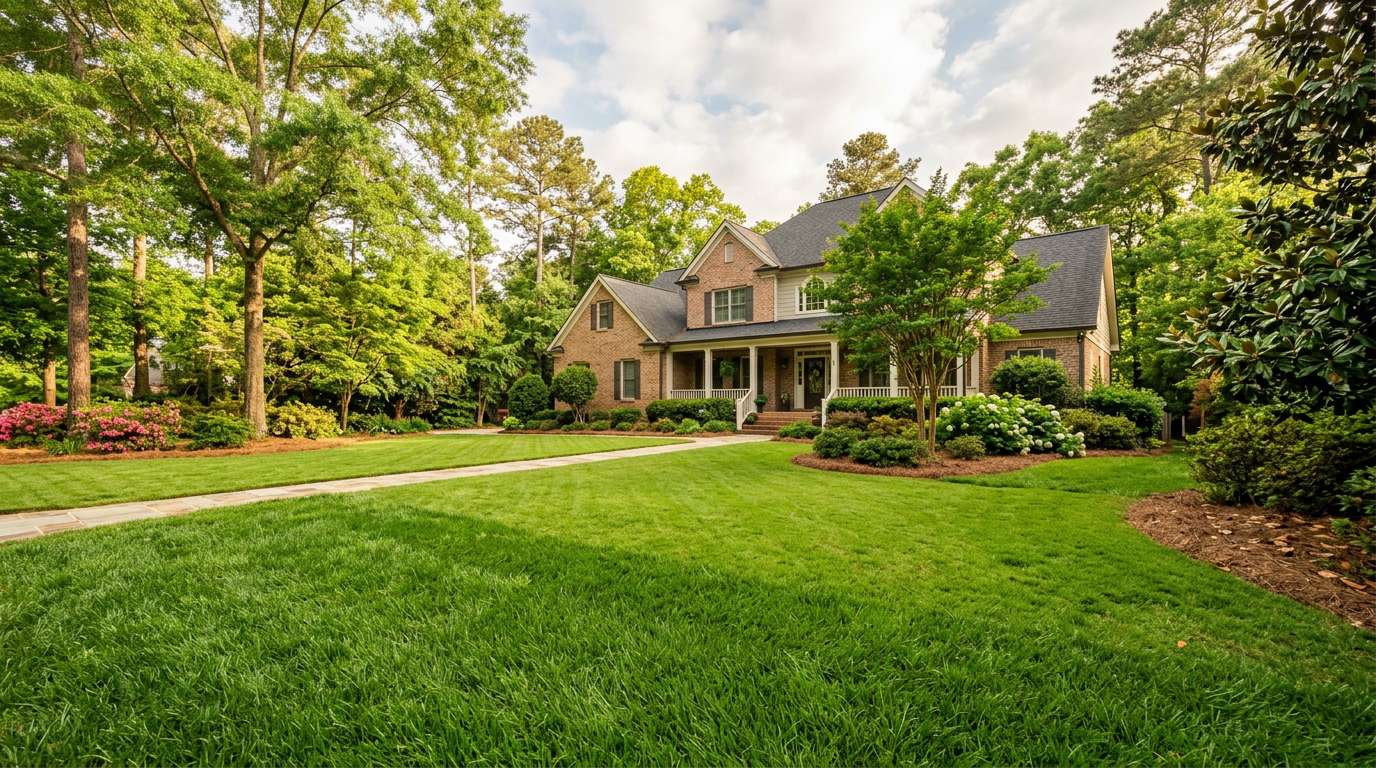
Let's cut right to it. Growing the perfect lawn in Georgia is a special kind of challenge. Between the fiery summers, surprising winter cold snaps, and that infamous red clay, you can't just throw down any old seed and hope for the best. We're here to give you the straight scoop on the best grass for Georgia, whether you're in the Atlanta metro, the North Georgia mountains, or down by the coast.
Georgia sits squarely in what's known as the 'transition zone.' This means it's a battleground climate—too hot for many cool-season grasses to survive the summer, but too cold for some warm-season grasses to reliably make it through the winter. This guide will break down the turfgrass titans that can actually handle the Peach State.
The Top Warm-Season Grasses for Georgia
Warm-season grasses are the champs for most of Georgia. They actively grow from spring through fall and go dormant (brown) after the first hard frost. They love the heat and are generally more drought-tolerant than their cool-season cousins.
1. Bermudagrass
Bermuda is the undisputed king of sun and heat. If you have a yard with zero shade and lots of activity, this is your grass. It's what you see on most golf course fairways and athletic fields for a reason: it's tough as nails and recovers from damage quickly.
- Pros: Extremely drought and heat tolerant, stands up to heavy foot traffic, spreads quickly to fill in bare spots.
- Cons: Needs at least 8 hours of direct sun, high maintenance (frequent mowing and fertilizing), will not grow in shade, turns brown in winter.
- Best For: Full-sun yards, families with kids and pets, people who don't mind a regular mowing schedule. Check out our guide on how often to mow your lawn to keep Bermuda in check.
- Recommended Cultivars: 'TifTuf' is the gold standard for drought tolerance, developed right at the University of Georgia in Tifton. 'Celebration' also performs well.
2. Zoysia Grass
Zoysia is the luxury option. It forms a dense, carpet-like turf that feels amazing underfoot. It handles Georgia's heat well and has better shade tolerance than Bermuda, making it a more versatile choice for yards with mixed sun and shade.
- Pros: Very dense and weed-resistant, good drought and heat tolerance, more shade tolerant than Bermuda, feels great to walk on.
- Cons: Expensive to install (especially sod), very slow to establish from plugs or seed, can be prone to thatch buildup.
- Best For: Homeowners wanting a premium, prestige lawn who have a bit more budget to work with.
- Recommended Cultivars: 'Zeon' and 'Emerald' are popular fine-bladed Zoysias. You can find pallets of Zeon Zoysia sod from Georgia growers like Super-Sod for around $300-$350, covering roughly 500 sq. ft.
3. Centipede Grass
Often called the 'lazy man's grass,' Centipede is the go-to for low-maintenance lawns, particularly in Central and South Georgia. It thrives in the acidic, sandy soils common in those areas and requires less mowing and fertilizing than Bermuda or Zoysia.
- Pros: Low maintenance, needs less fertilizer, fairly drought-tolerant once established.
- Cons: Does not tolerate foot traffic well, slow to recover from damage, can turn yellow due to iron deficiency. If you see this, you might wonder, 'Why is my grass turning yellow?'. With Centipede, it's often an iron issue.
- Best For: Large, low-traffic areas in Central or South Georgia where you want green coverage without a ton of work.
The Best Cool-Season Grass for North Georgia
If you live north of, say, Macon, you have another strong option. Cool-season grasses stay green year-round, which is a huge plus for many homeowners. But only one really stands up to our summers.
4. Tall Fescue
This is the hero for shady lawns and for homeowners in the Atlanta metro and North Georgia mountains who want a year-round green lawn. Modern turf-type Tall Fescue varieties have been bred to have better heat and drought tolerance than their predecessors, but they will still need more water in July and August than Bermuda grass.
- Pros: Stays green all year, has the best shade tolerance of any grass on this list, grows in a bunch-type habit so it won't invade flower beds.
- Cons: Needs more water during summer heat, susceptible to brown patch fungus in humid weather, may need to be overseeded every few years to maintain density.
- Best For: North Georgia lawns, yards with large trees or significant shade. Learning how to overseed a lawn is a key skill for Fescue owners.
- Recommended Cultivars: Look for blends specifically designed for southern climates. The Pennington Smart Seed Tall Fescue Grass Seed blend, around $100 for a 20lb bag, includes heat-tolerant varieties and is a solid choice you can find at any Home Depot in Georgia.
Planting Your New Georgia Lawn: Key Considerations
Once you've picked a winner, you need to get it in the ground. You have two main options: sod or seed.
- Sod: Gives you an 'instant lawn.' It's more expensive but provides immediate erosion control and is ready for light use in just a few weeks. In Georgia, sod from a supplier like NG Turf can cost anywhere from $0.60 to $1.20 per square foot, depending on the grass type and quantity.
- Seed: Much cheaper but requires more patience and care. You'll need to keep the soil consistently moist for weeks. The best time to plant warm-season grass seed is late spring to early summer. The best time for Tall Fescue is the fall.
According to the UGA Extension, a typical Georgia lawn needs about 1 inch of water per week, either from rainfall or irrigation, especially during the peak heat of summer to avoid stress and dormancy. This is a critical stat to remember, so figuring out the best time to water grass (early morning!) is essential for success. We've seen it time and again: improper watering is the #1 killer of new lawns in our state.
What About St. Augustine Grass in Georgia?
You see St. Augustine all over our neighbor, Florida. It's a coarse-bladed grass that loves heat and humidity. However, most of Georgia, including the Atlanta area, is too cold for it to reliably survive the winter. It's only a viable option for the very southern coastal edge of Georgia, and even there, a harsh winter can wipe it out. For most Georgians, it's too much of a risk. Stick with the proven performers above.
Frequently asked
What is the most low-maintenance grass for Georgia?+
Centipede grass is widely considered the most low-maintenance option for Georgia, especially in central and southern regions. It requires less frequent mowing, has low fertilizer needs, and thrives in acidic soil. However, it does not tolerate heavy foot traffic well.
What grass stays green all year in Georgia?+
Tall Fescue is the best choice for a grass that stays green year-round in Georgia. It's a cool-season grass that thrives in the northern half of the state, particularly in areas with some shade. It will require more water during the hot summer months to maintain its color.
Which is better for Georgia, Bermuda or Zoysia?+
It depends on your priorities. Bermuda is better for full-sun, high-traffic areas and recovers from damage quickly, but it's high-maintenance. Zoysia offers a more luxurious, denser turf with better shade tolerance and softness, but it's more expensive and slower to establish.
When is the best time to plant grass seed in Georgia?+
For warm-season grasses like Bermuda and Zoysia, the best time to plant seed is late spring through early summer (May to July). For cool-season Tall Fescue, the ideal planting window is in the fall (September to October), which allows roots to establish before summer heat.
Can I mix grass types in my Georgia lawn?+
It's generally not recommended to mix warm-season and cool-season grasses, as they have different mowing and care requirements. However, you can use different grasses for different areas, such as Bermuda in the full sun and Tall Fescue or Zoysia in shadier spots.