
The 5 Best Grass Types for Delaware Lawns (2024 Guide)
Forget the guesswork. Delaware's transition zone climate is tough on lawns, but we've got the definitive list of the grass types that will actually thrive, not just survive.
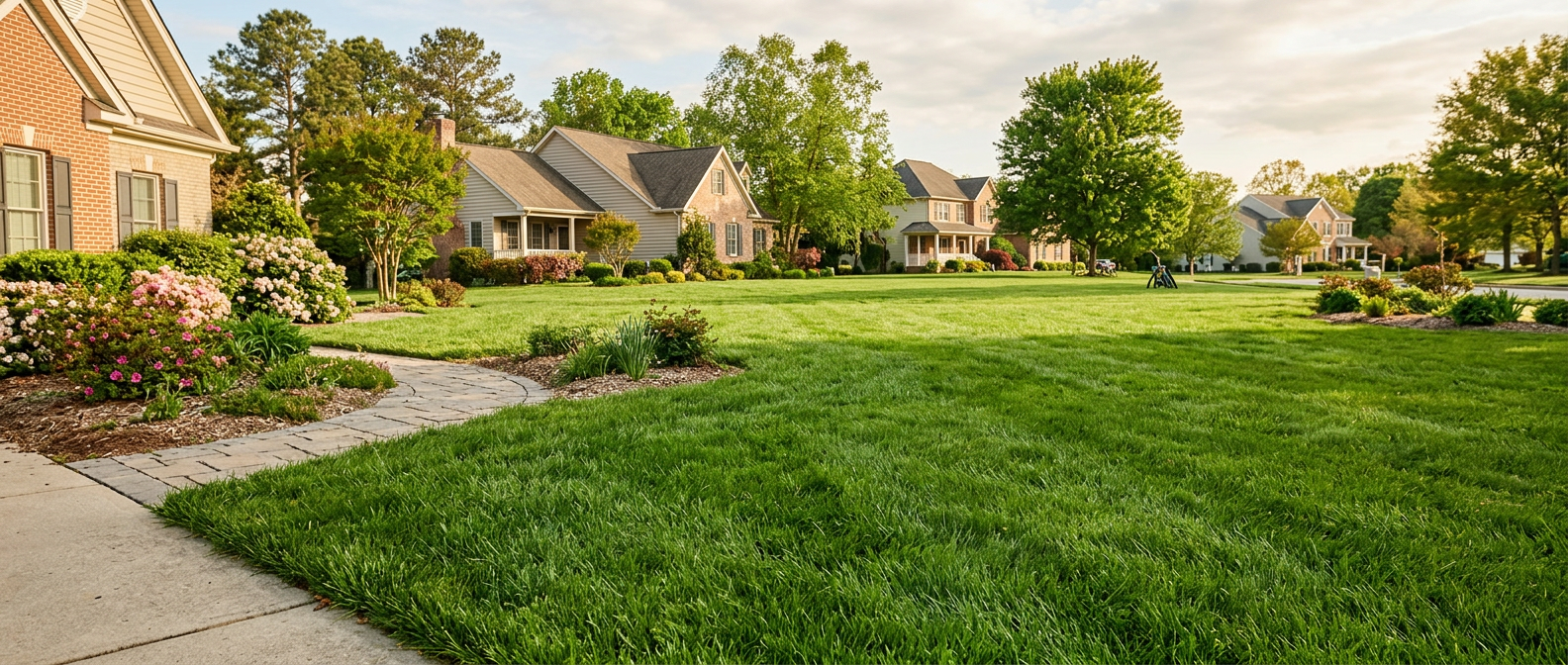
Let's be blunt: growing a great lawn in Delaware can be a real pain. You're stuck in the dreaded 'transition zone,' which means our summers are hot and humid enough to scorch typical northern grasses, while our winters are cold enough to kill off southern grasses. It’s the worst of both worlds. But we're not here to complain; we're here to win. Getting a lush, green lawn in the First State isn't about luck, it's about choosing the right team captain for your yard.
We’re going to break down the absolute best grass for Delaware, why it works, and how to manage it without spending a fortune or your entire weekend. Forget what the guy at the big box store told you. This is real-world advice for a killer Delaware lawn, from Wilmington to Rehoboth Beach.
Understanding Delaware’s Unique Climate
Before you throw a single seed, you have to understand the battlefield. Delaware has a humid subtropical climate, which means hot, muggy summers and chilly, damp winters. This transition zone is the primary reason so many lawns struggle. Cool-season grasses like the ones popular up in New England get stressed and go dormant or develop fungal diseases during our July and August heatwaves. Warm-season grasses that thrive down in South Carolina turn a depressing shade of brown from October through May.
The secret is picking a grass type—or more often, a specific blend—that can handle both extremes. The grasses we recommend below are chosen for their ability to withstand a Delaware summer and bounce back strong in the fall and spring.
The 5 Best Grass Types for a Delaware Lawn
In our years of rehabbing sad-looking lawns across the transition zone, we've found that a few key players consistently outperform the rest. Here’s our breakdown of the best grass types for your Delaware home.
1. Turf-Type Tall Fescue (The All-Star Workhorse)
If you only choose one grass, make it this one. Modern Turf-Type Tall Fescue (TTTF) is not the clumpy, wide-bladed pasture grass of yesteryear. It's been bred to have a deep, extensive root system—sometimes reaching 2-3 feet down—which makes it incredibly drought and heat tolerant. It's the undisputed champion for most Delaware lawns.
- Pros: Excellent heat and drought tolerance, good shade tolerance (for a cool-season grass), naturally disease resistant, stays green longer than other cool-season varieties.
- Cons: It’s a bunch-type grass, so it doesn't self-repair. Damaged spots need to be reseeded. It will thin out over time if not overseeded every few years.
- Recommended Cultivar: Look for high-quality seed blends like Jonathan Green Black Beauty Ultra. A 7 lb bag runs about $55 and covers roughly 2,500 sq. ft. for a new lawn. You can find it at local garden centers like Gateway Garden Center in Hockessin or most Lowe's stores.
2. Kentucky Bluegrass (The Beauty Queen)
Kentucky Bluegrass (KBG) is what most people picture when they think of a perfect, dark green, dense lawn. It has a beautiful color and texture, and its best feature is its ability to spread via underground stems called rhizomes. This means it can self-repair small bare spots.
- Pros: Beautiful color and texture, dense growth habit, self-repairing, great for high-traffic areas.
- Cons: It's higher maintenance. It needs more water and fertilizer than Tall Fescue and has poor shade tolerance. It will go dormant and turn brown during a hot, dry Delaware summer if not irrigated.
- Best Use: Don't plant a 100% KBG lawn. The smart move is to use a blend that's 80-90% Tall Fescue and 10-20% Kentucky Bluegrass. You get the durability of the fescue with the beauty and self-repairing ability of the bluegrass. Scotts Turf Builder Kentucky Bluegrass Mix is widely available, but we prefer blends that list the specific cultivars.
3. Perennial Ryegrass (The Fast Fixer)
Perennial Ryegrass is the sprinter of the grass world. It germinates incredibly fast, often in just 5-7 days. This makes it fantastic for quickly establishing cover to prevent erosion or for overseeding bare patches.
- Pros: Extremely fast germination, good traffic tolerance, fine blade texture.
- Cons: It’s the least heat and drought-tolerant of the main cool-season grasses. It doesn't live as long as Fescue or KBG and is susceptible to diseases in our humid summers.
- Best Use: Use it as a small component (5-10%) in a seed mix with Tall Fescue and KBG. Its fast growth provides a 'nurse grass' that protects the slower-growing seeds as they establish. Also great for a quick fall overseed to thicken up a tired lawn.
4. Fine Fescues (The Shade Specialist)
Got big, beautiful oak trees shading your yard? You need Fine Fescues. This is a category of grasses (including Creeping Red, Chewings, and Hard Fescue) that thrives where others fail: in the shade. They also have very low water and fertilizer requirements.
- Pros: The best shade tolerance of any cool-season grass, low maintenance needs, fine texture.
- Cons: Does not tolerate heat, sun, or heavy foot traffic well.
- Best Use: For those heavily shaded parts of your yard where nothing else will grow. Most 'Dense Shade' mixes you see are primarily Fine Fescues. A great example is Scotts Turf Builder Dense Shade Mix. It's the perfect solution for that perpetually bare patch under the maple tree. See our full guide to the best grass seed for shade.
5. Zoysia Grass (The Southern Delaware Option)
Here’s our one warm-season grass recommendation, with a big asterisk. Zoysia is a tough, dense, heat-loving grass that forms a beautiful carpet in the summer. It's extremely drought-tolerant once established and will choke out most weeds.
- Pros: Thrives in peak summer heat, excellent drought tolerance, very low-maintenance, chokes out weeds.
- Cons: It turns dormant and straw-brown at the first frost and doesn't green up until late spring (usually May). This means your lawn is brown for about 6-7 months in Delaware. It can also be invasive, spreading into garden beds.
- Best Use: Consider this only if you live in southern Delaware (Sussex County), especially near the coast where winters are milder, and you prioritize summer performance above all else. It's generally a poor choice for New Castle County.
Seeding vs. Sod in Delaware: What's the Smart Money?
Once you pick your grass, you have to get it in the ground. You have two choices: seed or sod.
-
Seeding: This is the most cost-effective method by a long shot. A high-quality Tall Fescue/KBG blend to cover a 5,000 sq. ft. lawn will cost you about $150-$250. The downside is the time and effort. You have to prep the soil, spread the seed, and keep it consistently moist for weeks. The best time to seed in Delaware is late summer (late August through early October). The soil is warm for germination, but the cooling air temperatures reduce stress on the new seedlings.
-
Sod: This is your 'instant lawn.' Professionals lay down strips of mature grass, and it looks great immediately. The downside is the cost. Sodding that same 5,000 sq. ft. lawn can cost anywhere from $3,000 to $5,000 or more. You're paying for speed and convenience. Local suppliers like E-Z Turf in Middletown can provide quotes, but be prepared for sticker shock.
For 99% of homeowners, seeding is the way to go. It's cheaper, and you get access to better, more advanced seed cultivars than what's typically available in sod.
Your No-Nonsense Delaware Lawn Care Calendar
Choosing the right grass is half the battle. Here's a simple calendar to keep it healthy.
-
Early Spring (March-April): Rake up any leftover leaves or debris. Test your soil through the University of Delaware's soil testing lab—it's inexpensive and tells you exactly what your lawn needs. This is critical because of Delaware's Nutrient Management Law. The law restricts phosphorus fertilizer unless a soil test shows a need and limits nitrogen applications. (Source: Delaware Nutrient Management Commission). Apply a pre-emergent herbicide (like Scotts Halts Crabgrass & Grassy Weed Preventer) when forsythia bushes are in bloom to prevent crabgrass.
-
Late Spring (May-June): Begin your regular mowing routine. Follow the one-third rule and never cut more than a third of the grass blade at a time. Learn how often to mow your lawn. Spot-treat broadleaf weeds like dandelions. Read up on how to get rid of dandelions for good. Fertilize with a slow-release nitrogen fertilizer.
-
Summer (July-August): This is survival mode. Raise your mower height to 3.5-4 inches. Taller grass shades the soil, keeps it cooler, and conserves water. Water deeply but infrequently (1-1.5 inches per week, including rainfall) in the early morning hours, around 5-7 AM. Check out our guide on the best time to water grass. Watch for signs of brown patch fungus, a common issue in our humidity.
-
Fall (September-October): This is GO time. This is the most important season for your Delaware lawn. If your soil is compacted, now is the time to core aerate. If you have more than a half-inch of thatch, dethatch your lawn. This is the absolute best window to overseed your lawn to thicken it up and repair summer damage. Apply a fall fertilizer that's high in potassium to promote root growth and winter hardiness.
-
Late Fall/Winter (November-February): Continue mowing as needed until the grass stops growing. Make sure to clear all leaves off the lawn before winter to prevent snow mold. Once that's done, you're off duty. Enjoy the break.
Frequently asked
What is the most low-maintenance grass seed for Delaware?+
Turf-Type Tall Fescue is the most low-maintenance option for a sunny Delaware lawn, thanks to its deep roots that provide excellent drought resistance. For shady areas, a Fine Fescue blend is even lower maintenance, requiring less water, fertilizer, and mowing.
When is the best time to plant grass seed in Delaware?+
The ideal time to plant grass seed in Delaware is from late August to early October. The soil is still warm enough for quick germination, while the cooler air temperatures and increased rainfall reduce stress on the new seedlings, leading to a much higher success rate.
Is Zoysia grass a good choice for northern Delaware?+
Generally, no. While Zoysia thrives in summer, it turns brown at the first frost and stays dormant for 6-7 months in northern Delaware's climate. It's a better fit for southern Delaware where winters are slightly milder and summer performance is the top priority.
What is the best grass seed mix for a Delaware lawn?+
The best all-around mix for Delaware is one containing at least 80-90% high-quality Turf-Type Tall Fescue and 10-20% Kentucky Bluegrass. This combination provides the drought and disease resistance of fescue with the dense, self-repairing qualities of bluegrass for a durable and beautiful lawn.
How can I improve Delaware's common clay soil for growing grass?+
The best way to improve clay soil is through annual core aeration in the fall. This reduces compaction and allows air, water, and nutrients to reach the grassroots. Top-dressing with a thin layer of compost after aerating will gradually improve soil structure over time.