
The 5 Best Grass Types for Delaware Lawns (2024 Guide)
Choosing the right grass for Delaware's unique transition zone climate can be frustrating. We break down the top 5 grass types that will actually thrive, from Tall Fescue to Zoysia.
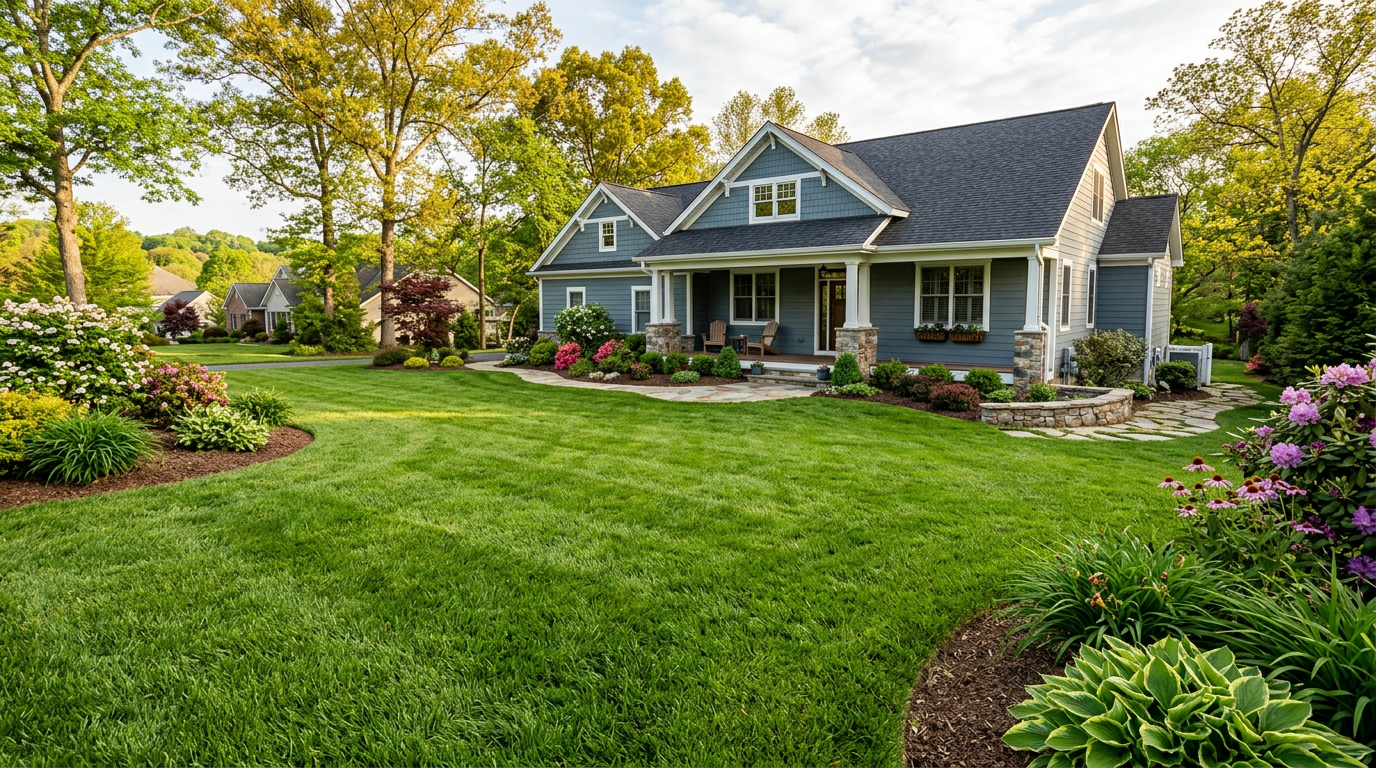
Let's be blunt. Choosing the best grass for a Delaware lawn can feel like a fool's errand. One minute it’s hot and humid like the deep south, the next you're getting a surprise late frost. This is life in the infamous 'transition zone,' a strip of the country where both northern and southern grasses feel equally out of place. But don't despair and pave over your yard just yet. We've seeded and sodded our way across the First State, from the rolling hills of Wilmington to the flat coastal plains near Rehoboth, and we have the definitive list of grasses that don't just survive, but actually thrive here.
Forget the marketing nonsense and the 'miracle' blends. This is the real-deal, dirt-under-the-fingernails guide to getting a great lawn in Delaware.
Understanding Delaware's Tricky 'Transition Zone' Climate
Before you buy a single seed, you need to understand why your lawn struggles. Delaware sits squarely in USDA Hardiness Zones 7a and 7b. This is the heart of the transition zone. Here’s what that means in plain English:
- Summers: Hot and humid enough to stress out and potentially kill cool-season grasses (like the ones that do great in Pennsylvania or New England).
- Winters: Cold enough to kill most warm-season grasses (like the St. Augustine you see in Florida).
You're caught in the middle. The key is to choose a grass type (or a blend) that can handle both extremes. For 90% of Delaware homeowners, that means leaning heavily on cool-season grasses that have been specifically bred for better heat and drought tolerance. And it means timing your lawn care calendar perfectly.
The Best All-Around Grass for Delaware: Turf-Type Tall Fescue
If you want one answer, this is it. Turf-Type Tall Fescue (TTTF) is the undisputed champion for Delaware lawns. This isn't your grandpa's clumpy, wide-bladed tall fescue. Modern TTTF cultivars have a finer texture, a beautiful dark green color, and are bred to be workhorses.
Why it works for Delaware:
- Deep Roots: This is its superpower. TTTF can send roots down 2-3 feet, allowing it to access water deep in the soil profile during those hot, dry July and August stretches. This makes it significantly more drought-tolerant than other cool-season grasses.
- Heat Tolerance: It simply doesn't check out when the temperature climbs into the 90s like Kentucky Bluegrass or Perennial Ryegrass can.
- Good Shade Tolerance: While it prefers sun, it can handle moderate shade better than many other top-tier grasses, making it a flexible choice for yards with some trees.
- Disease Resistance: Newer varieties have excellent resistance to common turf diseases like Brown Patch, which loves Delaware's summer humidity.
What to look for: Look for seed bags that specifically say "Turf-Type Tall Fescue" and list improved cultivars. A great example is the Jonathan Green Black Beauty Ultra Grass Seed mix, which is heavily based on TTTF. A 7 lb. bag runs about $45 and covers around 2,800 sq ft when overseeding.
One downside: Tall Fescue is a bunch-type grass, meaning it doesn't spread and self-repair. If you get a bare spot, you'll need to reseed it. That's why we often recommend blending it.
For a Picture-Perfect Lawn in Northern Delaware: The TTTF/KBG Blend
If you live in New Castle County and want that dense, dark green, self-repairing lawn you see on golf course fairways, a blend of Turf-Type Tall Fescue and Kentucky Bluegrass (KBG) is your ticket.
- Tall Fescue (80-90% of the mix): Provides the foundation of durability, drought tolerance, and heat resistance.
- Kentucky Bluegrass (10-20% of the mix): Brings the movie-star looks. KBG has a beautiful dark color and, most importantly, spreads via underground stems called rhizomes. This allows it to fill in bare spots and create a dense, thick carpet of grass.
This blend gives you the best of both worlds. The TTTF does the heavy lifting through the summer, while the KBG helps the lawn recover and thicken up in the spring and fall. A little Perennial Ryegrass is often thrown into these mixes for its ability to germinate quickly, providing a fast green-up and erosion control while the other grasses establish. You can learn more about establishment timelines in our guide how long does grass seed take to grow.
The Best Grass for Shady Delaware Yards: Fine Fescues
Have a yard with beautiful, mature oak and maple trees? You've probably struggled to keep grass alive underneath them. This is where Fine Fescues shine. This category of grasses, which includes Creeping Red Fescue, Chewings Fescue, and Hard Fescue, is the absolute best choice for shady, low-maintenance areas.
Why they work for shade:
- Low Light Requirement: They can thrive with as little as 4 hours of direct sunlight, or even just dappled light all day.
- Drought Tolerant: Once established, they require less water than most other cool-season grasses.
- Low Input: They don't need a ton of fertilizer to look good.
Don't plant Fine Fescue in a full-sun, high-traffic area. It won't hold up. But for that tricky area under the trees where nothing else will grow, it's a lifesaver. Look for a dedicated shade mix, like Scotts Turf Builder Dense Shade Mix. These will be predominantly Fine Fescues. For more options, check out our complete guide to the best grass seed for shade.
Delaware's climate provides a good foundation for these grasses. The state receives an average of 45 inches of precipitation annually, which is generally ample for cool-season grasses, though supplemental watering is critical during summer dry spells. Average July high temperatures in the low-to-mid 80s push cool-season grasses to their limits, highlighting the need for heat-tolerant varieties like TTTF. (Source: NOAA National Centers for Environmental Information)
A Warm-Season Option for Southern Delaware: Zoysia Grass
Okay, let's talk about the exception to the cool-season rule: Zoysia grass. If you live in Kent or Sussex County, have a full-sun yard, and prioritize summer performance and drought tolerance above all else, Zoysia is worth considering.
The Pros:
- Loves Heat: It thrives in the hottest part of the summer when cool-season grasses are struggling.
- Extremely Drought Tolerant: Once established, its water needs are very low.
- Dense Growth: It forms a very thick, carpet-like turf that is excellent at choking out weeds.
The Major Con:
Dormancy. From the first hard frost in the fall (usually October) until it warms up again in late spring (mid-to-late May), your Zoysia lawn will be a dormant, tan-to-brown color. For nearly 6-7 months of the year, it won't be green. This is a deal-breaker for many homeowners who want a year-round green lawn. It can also be very slow to establish from seed and is often planted using plugs or sod, which is more expensive.
When and How to Seed Your Delaware Lawn
Timing is everything. Planting the best seed at the wrong time of year is a waste of money and effort.
The absolute best time to seed a cool-season lawn in Delaware is from late summer into early fall (roughly August 15th to October 1st).
Why? Because the soil is still warm from the summer, which encourages fast germination. But the air temperatures are getting cooler, which is ideal for growth. Most importantly, the young grass will have the fall and the following spring to mature before facing the stress of its first Delaware summer. This is the perfect time to overseed a lawn to thicken it up.
Spring seeding (April to mid-May) is a distant second-best. The grass will germinate, but it won't have enough time to develop a deep, robust root system before the summer heat and humidity arrive, making it much more vulnerable to disease and drought.
No matter when you seed, proper watering is crucial. New seed needs to be kept consistently moist. This doesn't mean soaked, just damp. A light watering once or twice a day is usually necessary. Find out more in our guide on the best time to water grass. Getting your lawn established correctly is the first step toward a lush, green yard that will make your neighbors jealous.
Frequently asked
What is the most common grass in Delaware?+
The most common and recommended grass for Delaware is Turf-Type Tall Fescue. Its ability to tolerate both heat and cold, combined with its deep root system for drought resistance, makes it the ideal choice for the state's challenging transition zone climate.
Can Bermuda grass grow in Delaware?+
While Bermuda grass can survive in the southern parts of Delaware, it's generally not recommended. It is extremely aggressive, can invade garden beds, and has a very long winter dormancy period, leaving your lawn brown for more than half the year.
When should I fertilize my lawn in Delaware?+
For cool-season grasses like Tall Fescue, the most important time to fertilize is in the fall (September and November). A late spring feeding (around May) is also beneficial. Avoid heavy nitrogen fertilization in the summer, as it can stress the grass.
Is Zoysia a good choice for Delaware?+
Zoysia can be a good choice for full-sun, high-traffic areas in southern Delaware, especially near the coast. However, you must accept that it will be dormant and brown from the first frost in autumn until late spring.
What is the best grass seed mix for Delaware?+
For most of Delaware, a mix of 90% Turf-Type Tall Fescue and 10% Kentucky Bluegrass is ideal. This provides the durability and heat tolerance of fescue with the self-repairing ability and color of bluegrass. For shady yards, use a mix dominated by Fine Fescues.