
The 5 Best Grass Types for Your Delaware Lawn (2024)
Stop guessing which grass seed to buy. We break down the top 5 grass types that will actually survive and thrive in your Delaware yard, from Wilmington to Rehoboth.
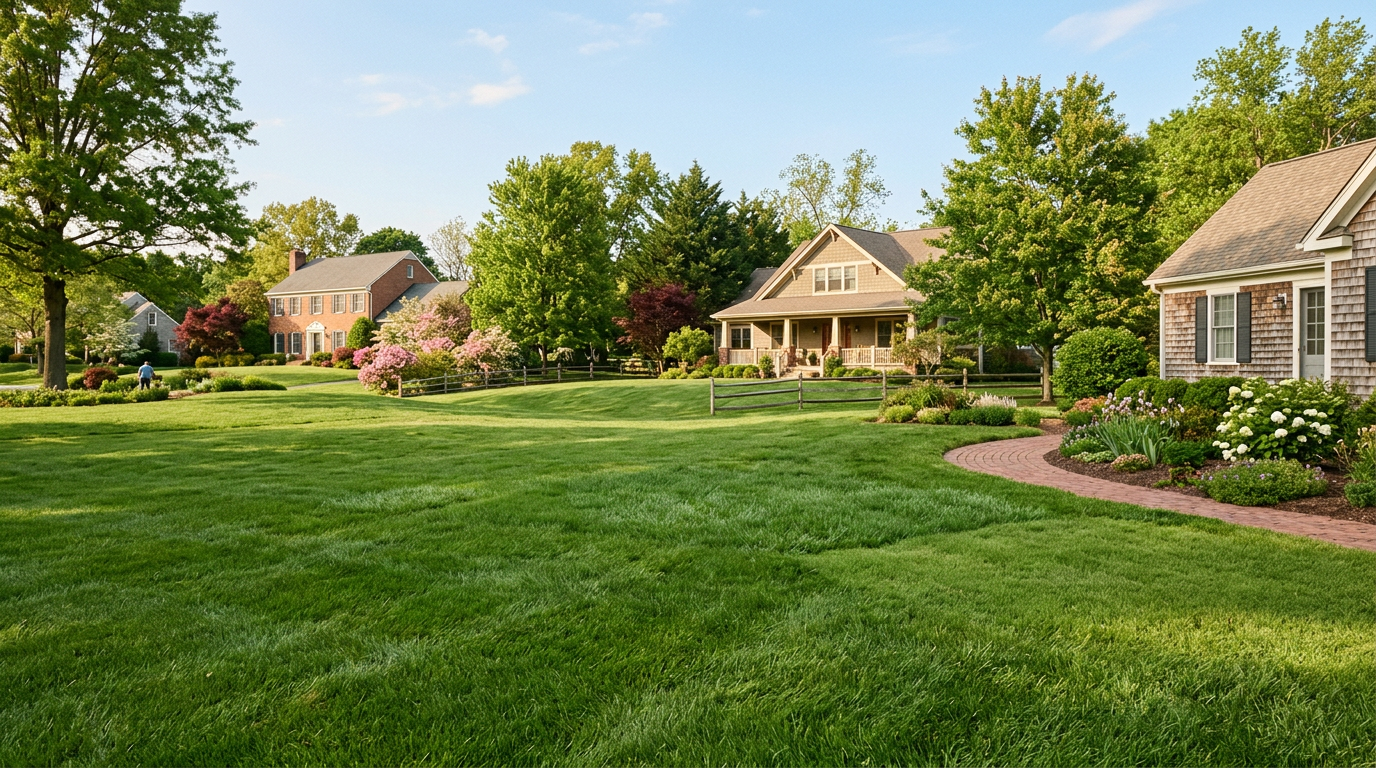
Let's be direct. Growing a great lawn in Delaware is trickier than it looks. You're stuck in the middle of the infamous 'transition zone,' a horticultural battleground where it's a little too hot for cool-season grasses and a little too cold for warm-season ones. It's the reason your neighbor's lawn looks like a putting green in May and a desert in August.
But we're here to tell you it's not a lost cause. You don't need to be a turfgrass scientist or spend a fortune to get a lush, green lawn that can handle a Delaware summer. You just need the right grass. We've managed lawns from the rolling hills of New Castle County down to the sandy flats of Sussex, and we've figured out what works. Here are the best grass types for your Delaware home, no fluff included.
Understanding Delaware's Climate: The Transition Zone Challenge
Before you rip open a bag of seed, you need to understand the battlefield. Delaware sits squarely in USDA Hardiness Zones 7a and 7b. This means winter lows can dip into the single digits, while summer brings spells of brutal heat and humidity in the high 80s and 90s. It’s a tough gig for any single type of grass.
Cool-season grasses, like Fescue and Bluegrass, love the spring and fall but can get stressed and go dormant (or die) during hot, dry summers. Warm-season grasses, like Zoysia and Bermuda, thrive in the heat but turn a dormant, straw-brown color from the first frost until late spring. For most of Delaware, especially from Kent County north, cool-season grasses are the way to go. You just need to pick the toughest ones.
The 5 Best Grass Types for a Delaware Lawn
Based on our experience and data from local extensions, these are the contenders that will give you the best shot at a year-round green lawn in The First State.
1. Turf-Type Tall Fescue (TTTF)
The All-Around Workhorse
If you only remember one grass from this list, make it this one. Modern Turf-Type Tall Fescues are the undisputed champions of the transition zone. They've been bred to have deeper root systems (up to 3 feet deep!) than older varieties like Kentucky 31, allowing them to pull water from deep in the soil during a drought. This makes them significantly more heat and drought-tolerant than other cool-season grasses.
- Pros: Excellent heat and drought tolerance, good disease resistance, tolerates foot traffic well, stays green most of the year.
- Cons: Doesn't self-repair well (needs overseeding for bare spots), can be a bit coarse in texture compared to KBG.
- Best For: Most Delaware lawns, especially those with full sun and active families.
- Pro Tip: Look for high-quality blends with multiple TTTF cultivars. A 50 lb. bag of Jonathan Green Black Beauty Ultra Grass Seed, a popular TTTF-KBG-Ryegrass blend, costs around $190 at big box stores and local suppliers like Gateway Garden Center in Hockessin.
2. Kentucky Bluegrass (KBG)
The Beauty Queen
When you picture a perfect, dense, dark green lawn, you're probably picturing Kentucky Bluegrass. KBG is the premium choice for aesthetics. Its key feature is its ability to spread via underground stems called rhizomes, which allows it to self-repair bare patches. However, this beauty comes at a price.
- Pros: Beautiful dark green color, fine texture, dense growth, self-repairing.
- Cons: Requires more water and fertilizer than fescue, shallow roots make it susceptible to summer drought stress, needs at least 6 hours of direct sun.
- Best For: Homeowners who prioritize looks over low maintenance and have an irrigation system. It's rarely used alone in Delaware; it's almost always blended with Tall Fescue, which provides the toughness while the KBG fills in the gaps.
3. Perennial Ryegrass
The Quick Fix
Perennial Ryegrass is the sprinter of the grass world. It germinates incredibly fast, often sprouting in just 5-7 days. This makes it an essential part of any overseeding mix, as it provides quick green cover that stabilizes the soil while the slower-growing Fescue and KBG get established. It also has a beautiful, fine-bladed look.
- Pros: Germinates very quickly, fine texture, handles foot traffic well.
- Cons: Least cold- and heat-tolerant of the bunch; often struggles to survive harsh Delaware winters or hot summers. It's a bunch-type grass, so it doesn't self-repair.
- Best For: Blending with Tall Fescue and KBG (usually 10-20% of the mix). It’s also great for quick repairs on high-traffic areas. Don't plant a 100% Perennial Ryegrass lawn; treat it as a supporting actor.
4. Fine Fescues
The Shade Specialist
Got a lot of mature trees? Then you need to know about Fine Fescues. This group includes Creeping Red, Chewings, and Hard Fescue. They are the most shade-tolerant of all the cool-season grasses and have very low fertilizer and water needs. They're the perfect solution for those tricky, shady parts of your yard where nothing else will grow.
- Pros: Excellent shade tolerance, low maintenance (less water and fertilizer), fine, delicate texture.
- Cons: Don't tolerate heat, humidity, or heavy foot traffic well.
- Best For: Dry, shady areas under trees or on the north side of your house. We highly recommend using a dedicated shady mix like Scotts Turf Builder Grass Seed Dense Shade Mix. You can learn more by reading our guide to the best grass seed for shade.
5. Zoysia Grass
The Southern Delaware Contender
Down in Sussex County, where the climate leans a little warmer, Zoysia grass becomes a viable option. As a warm-season grass, it loves the summer heat and will form a dense, carpet-like turf that chokes out weeds. It's extremely drought-tolerant once established. The major trade-off? It turns completely brown from the first hard frost in fall until late May, giving you a tan lawn for nearly half the year.
- Pros: Thrives in extreme heat, excellent drought tolerance, very dense, low maintenance in summer.
- Cons: Goes dormant and turns brown for 6-7 months in Delaware, slow to establish, aggressive spreader (can invade flower beds).
- Best For: Full-sun lawns in southern Delaware where the owner is okay with a brown winter lawn. Typically established with plugs or sod, not seed.
Key Factors When Choosing Your Delaware Grass
Don't just pick the one that sounds best. Assess your actual yard:
- Sunlight: How many hours of direct sun does your lawn get? Be honest. Most grasses need 6+ hours. If you have less, Fine Fescues are your friend.
- Foot Traffic: Do you have kids and dogs tearing up the yard? Turf-Type Tall Fescue is your best bet for durability.
- Maintenance Level: How much time and money do you want to spend? KBG is high-maintenance. Fescues are much more forgiving.
- Soil Type: Delaware soil is diverse. New Castle County often has heavier clay, while Kent and Sussex have sandier loam. Get a soil test from the University of Delaware's Soil Testing Program. For about $20, they'll tell you your soil pH and nutrient levels, which is the single most valuable piece of information for growing a great lawn.
Planting Your Delaware Lawn: Seed vs. Sod
Once you've picked your grass, you need to get it in the ground. You have two main options in Delaware: seed or sod.
-
Seeding: The most cost-effective method by a long shot. It gives you access to a wider variety of high-quality, certified seed blends. The downside is it takes time and patience, and the new grass is vulnerable to weeds and weather. The absolute best time to seed a new lawn or overseed an existing one in Delaware is from late August to early October. The warm soil encourages germination, and the cooling air reduces stress on the young grass.
-
Sodding: This is your instant lawn. It's a carpet of mature grass that you roll out. The benefit is immediate gratification and excellent weed control. The major downside is cost. A pallet of Tall Fescue sod (around 450 sq. ft.) from a local producer like Tuckahoe Turf Farms in Georgetown can cost $600 - $800, not including delivery or installation. Sod is great for small areas or if you have a big budget and no patience.
An Essential Lawn Care Calendar for Delaware
Having the right grass is half the battle. Here's how to care for it throughout the Delaware seasons.
- Early Spring (March-April): Clean up winter debris. Once the lawn starts growing, consider applying a pre-emergent herbicide to prevent crabgrass. If your lawn is compacted, now is an acceptable time to dethatch or aerate, but fall is better.
- Late Spring (May-June): Fertilize with a slow-release nitrogen fertilizer. Mow high (3.5-4 inches for fescue) to shade the soil and conserve water. Spot-treat for dandelions and other broadleaf weeds.
- Summer (July-August): This is survival mode. Water deeply but infrequently. The best practice is to follow our guide on the best time to water grass, which is early in the morning. Don't fertilize. Watch for signs of grub damage or grass turning yellow due to heat stress.
- Early Fall (September-October): This is the most important season for cool-season lawns in Delaware. Core aerate, overseed, and apply a starter fertilizer. This is your chance to repair summer damage and build a strong foundation for next year.
- Late Fall (November-December): Apply a final 'winterizer' fertilizer high in potassium. Continue mowing as needed until the grass stops growing. Keep leaves off the lawn to prevent snow mold.
Choosing the right grass for Delaware's unique conditions is the first and most critical step to a beautiful lawn. Stick with a quality Turf-Type Tall Fescue blend, follow the seasonal calendar, and you'll have the best-looking lawn on the block.
Frequently asked
What is the most low-maintenance grass for Delaware?+
For sunny areas, Turf-Type Tall Fescue is the most low-maintenance option due to its deep roots and drought tolerance. For shady areas, Fine Fescues are the best low-maintenance choice, as they require less water, fertilizer, and sun than any other cool-season grass.
When is the best time to plant grass seed in Delaware?+
The ideal time to plant grass seed in Delaware is late summer to early fall, from roughly August 20th to October 15th. The soil is still warm enough for quick germination, while the cooling air temperatures reduce stress on the new seedlings.
Can I grow Bermuda grass in Delaware?+
It's not recommended for most of Delaware. Bermuda is a warm-season grass that will be brown and dormant for over half the year. It struggles with the cold winters, especially north of the C&D Canal, and can suffer significant winterkill, leaving you with a patchy lawn in the spring.
How do I fix patchy spots in my Delaware lawn?+
The best way is to overseed in the fall. Rake the bare spot vigorously to loosen the soil, spread a high-quality seed blend (Tall Fescue/KBG/Rye is great), apply a starter fertilizer, and keep the area consistently moist until the new grass is established.
Why is my Delaware lawn turning yellow in summer?+
Yellowing in a Delaware summer is often caused by 'summer dormancy.' Cool-season grasses like Fescue and Bluegrass will naturally slow down and turn a yellowish-brown to conserve water during intense heat and drought. It can also be caused by fungus or grubs.