
The 5 Best Grass Types for Delaware Lawns (2024 Guide)
Choosing the right grass for Delaware's unique transition zone climate is tough. We'll show you which types thrive from Wilmington to Rehoboth.
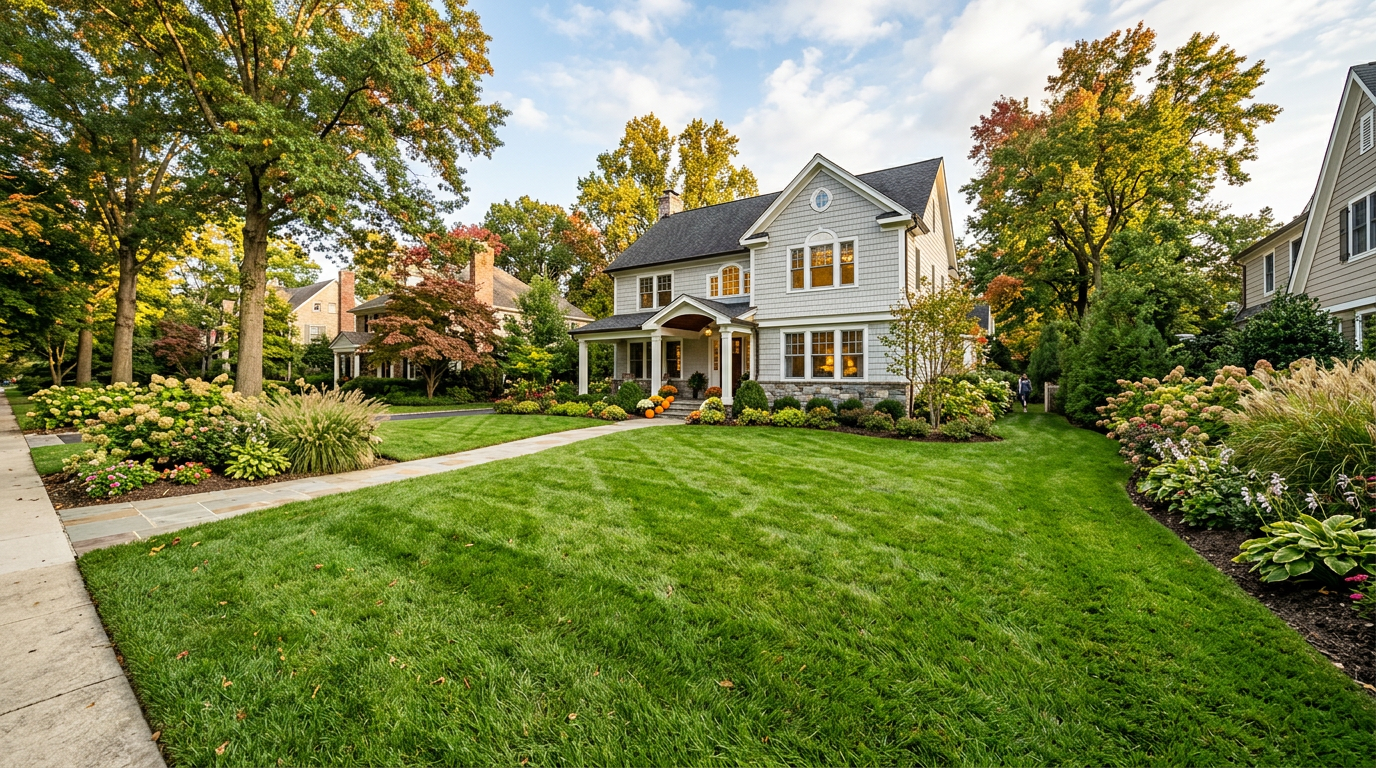
Let's get one thing straight: growing a great lawn in Delaware is trickier than in other states. Why? Because the First State is smack dab in the middle of the 'transition zone.' This means our winters are too cold for most warm-season grasses, and our summers are too hot and humid for many cool-season grasses. It’s a classic landscaping pickle.
But don't despair. We're not here to gatekeep turf science; we're here to give you the playbook. We've seen what works and what turns into a patchy, yellow mess from New Castle down to Sussex County. By choosing the right grass type for your Delaware home, you can have a lawn that's the envy of the neighborhood, not a source of weekend frustration.
Understanding Delaware's Transition Zone Climate
Before you buy a single seed, you need to accept Delaware's reality. We live in USDA Hardiness Zones 7a and 7b. Our summers get sticky and hot, regularly pushing into the 90s, which puts immense stress on typical cool-season grasses like the ones that thrive in New England. Our winters bring freezing temperatures and frost, which will kill off popular southern grasses like St. Augustine.
This is the transition zone curse. But knowledge is power. The secret isn't to fight it, but to work with it by choosing grasses that have been bred to handle this specific kind of climate stress. That means, for 95% of Delaware lawns, we are going to focus on cool-season grasses, with one notable warm-season exception.
1. Turf-Type Tall Fescue: The Delaware Champion
If you only read one section, this is it. Turf-Type Tall Fescue (TTTF) is, without a doubt, the most recommended and reliable grass for Delaware. It's the quarterback of your lawn team.
Modern TTTF varieties have been bred to have deep root systems—some reaching 2-3 feet down—which makes them exceptionally drought and heat-tolerant compared to other cool-season grasses. When your neighbor's bluegrass lawn is turning yellow in a July dry spell, your fescue will still be green. It also has a good-to-excellent tolerance for foot traffic.
- Pros: Best heat and drought tolerance of the cool-season grasses, good disease resistance, durable for kids and pets.
- Cons: It's a bunch-type grass, meaning it doesn't self-repair. Bare spots will need to be re-seeded.
- Best For: Full sun to moderate shade. The absolute best all-around choice for a typical Delaware yard.
- Our Pick: We love Jonathan Green Black Beauty Ultra. A 25 lb bag costs about $120 and covers 5,000 sq. ft. for a new lawn. It's a blend of tall fescues, Kentucky bluegrass, and perennial ryegrass that delivers a dark green, durable lawn that stands up to Delaware summers.
2. Kentucky Bluegrass: The Premium (But Needy) Choice
Kentucky Bluegrass (KBG) is what most people picture when they think of a perfect, dark green, dense lawn. It has a beautiful color and texture, and its biggest selling point is its ability to spread via rhizomes, meaning it can self-repair and fill in small bare spots. So why isn't it #1?
KBG is needier. It requires more water and fertilizer than Tall Fescue, and it will go dormant and turn brown much faster during a summer heatwave. In Delaware, a 100% KBG lawn is a high-maintenance commitment. We almost never recommend it as a monostand. However, its self-repairing ability makes it a fantastic teammate in a seed blend. Most high-quality sun mixes for our area contain 10-20% KBG mixed with Tall Fescue.
- Pros: Beautiful dark green color, dense growth, self-repairs from damage.
- Cons: High water and nutrient needs, poor heat and drought tolerance for our area.
- Best For: Mixing with Tall Fescue to get the best of both worlds—durability and repair—in full sun areas.
3. Fine Fescues: The Shade Solution for Delaware
Got big, beautiful oak and maple trees? Then you've got shade, and you'll need Fine Fescues. This is a group of grasses—including Creeping Red, Chewing's, and Hard Fescue—that are the undisputed champs for low-light areas. Trying to grow Tall Fescue or KBG in deep shade is a waste of time and money.
Fine Fescues have a very thin, delicate blade and thrive in areas with 4-6 hours of filtered sunlight. They also have the added benefit of being low-maintenance, requiring less water and fertilizer than their sun-loving cousins. If you have a yard with distinct sun and shade sections, use a sun-blend for one and look for a dedicated shade mix like Scotts Turf Builder Dense Shade Mix for the other. Check out our guide to the best grass seed for shade for more options.
- Pros: Excellent shade tolerance, low water and fertilizer needs.
- Cons: Don't tolerate heavy foot traffic well, can struggle in full, hot sun.
- Best For: Shady areas under trees or on the north side of your house.
4. Perennial Ryegrass: The Fast Fix
Perennial Ryegrass is the sprinter of the grass world. It germinates incredibly fast, often sprouting in just 5-7 days. This makes it fantastic for quick erosion control or for getting some green on a new lawn fast. It's also why it's included in almost every cool-season grass mix—it provides a 'nurse grass' that protects the slower-growing KBG and fescue seedlings.
However, it's not a great long-term solution for Delaware as a standalone grass. Its heat tolerance is poor, and it's susceptible to diseases in our humid summers. Think of it as a valuable role player, not the star. It's perfect for a fall how-to-overseed-a-lawn project to thicken up your existing TTTF/KBG lawn.
- Pros: Very fast germination, provides quick color, good traffic tolerance.
- Cons: Poor heat and drought tolerance, susceptible to summer diseases in our climate.
- Best For: Overseeding, temporary winter color, and as a component in a high-quality seed mix.
5. Zoysia Grass: The Warm-Season Contender
Here is our one warm-season grass that can work in Delaware, but it comes with a huge asterisk. Zoysia grass is a dense, carpet-like grass that is incredibly heat and drought-tolerant. In the dead of summer, when cool-season lawns might be struggling, a Zoysia lawn will be thriving and deep green. Sounds great, right?
The tradeoff is its winter dormancy. Zoysia will turn a very distinct straw-brown color with the first hard frost in October and won't green up again until well into May. This means you will have a brown lawn for roughly half the year. Some people are fine with this; others hate it. We've seen perfectly happy Zoysia lawns in Lewes and Rehoboth where the summer beach aesthetic takes priority. It's a personal choice, but you must go in with your eyes open.
Local Delaware Lawn Care Tips
- Planting Time: The absolute best time to plant cool-season grass seed in Delaware is late summer to early fall (late August through early October). The soil is warm, but the air is cooling, which is perfect for germination without summer heat stress. Your second-best window is spring (April to mid-May), but you'll be racing the summer heat.
- Soil Testing: Before you do anything, get a soil test. The University of Delaware offers soil testing kits for around $20. This will tell you your soil's pH and nutrient levels, taking the guesswork out of fertilizing.
- Watering: When you do water, water deeply and infrequently. This encourages deep root growth. Aim for about 1 inch of water per week, including rainfall. We wrote a whole guide on the best time to water grass.
- Local Suppliers: Instead of just the big box stores, check out local spots like Ronny's Garden World in Smyrna or Old Country Gardens in Wilmington. They often carry seed blends specifically formulated for our region.
According to the University of Delaware Cooperative Extension, proper turf management is key for our local environment. They note that poorly timed fertilizer applications, especially on dormant grass or frozen ground, can contribute to nutrient runoff into local waterways like the Chesapeake and Delaware Bays. Following their recommendation to only fertilize during active growth periods not only helps your lawn but protects our local ecosystems. It's a win-win.
Frequently asked
When is the best time to plant grass seed in Delaware?+
The ideal time is late August through early October. The soil is warm, competition from weeds is lower, and the new grass can establish before winter. Spring (April-May) is the second-best option, but summer heat can stress new seedlings.
Is Zoysia grass a good choice for Delaware?+
It can be, if you accept the trade-offs. Zoysia is beautiful and tough in the summer but will be completely brown and dormant from the first frost (around October) until late spring (May). For year-round green, stick with Tall Fescue blends.
What is the best low-maintenance grass for Delaware?+
A blend dominated by Turf-Type Tall Fescue is your best bet for a lower-maintenance lawn in Delaware. It has the best drought and heat tolerance. For shady areas, Fine Fescues are very low-maintenance, requiring less water, fertilizer, and mowing.
How do I get rid of crabgrass and dandelions in my Delaware lawn?+
The best defense is a thick, healthy lawn that crowds out weeds. For active weeds, use a post-emergent herbicide in late spring. To prevent them next year, apply a pre-emergent crabgrass preventer in early spring when the forsythia bushes start to bloom.
Which grass is best for shady yards in Delaware?+
Fine Fescues are the clear winner for shady lawns. Look for seed mixes specifically labeled for 'dense shade' which will contain varieties like Creeping Red Fescue, Chewing's Fescue, and Hard Fescue. They thrive in lower light conditions.