
Best Grass for Delaware: 5 Expert-Approved Seed Types
Stop guessing what grass to plant in Delaware. We're cutting through the noise to give you the rundown on the best grass types that actually thrive in our tricky transition zone climate.
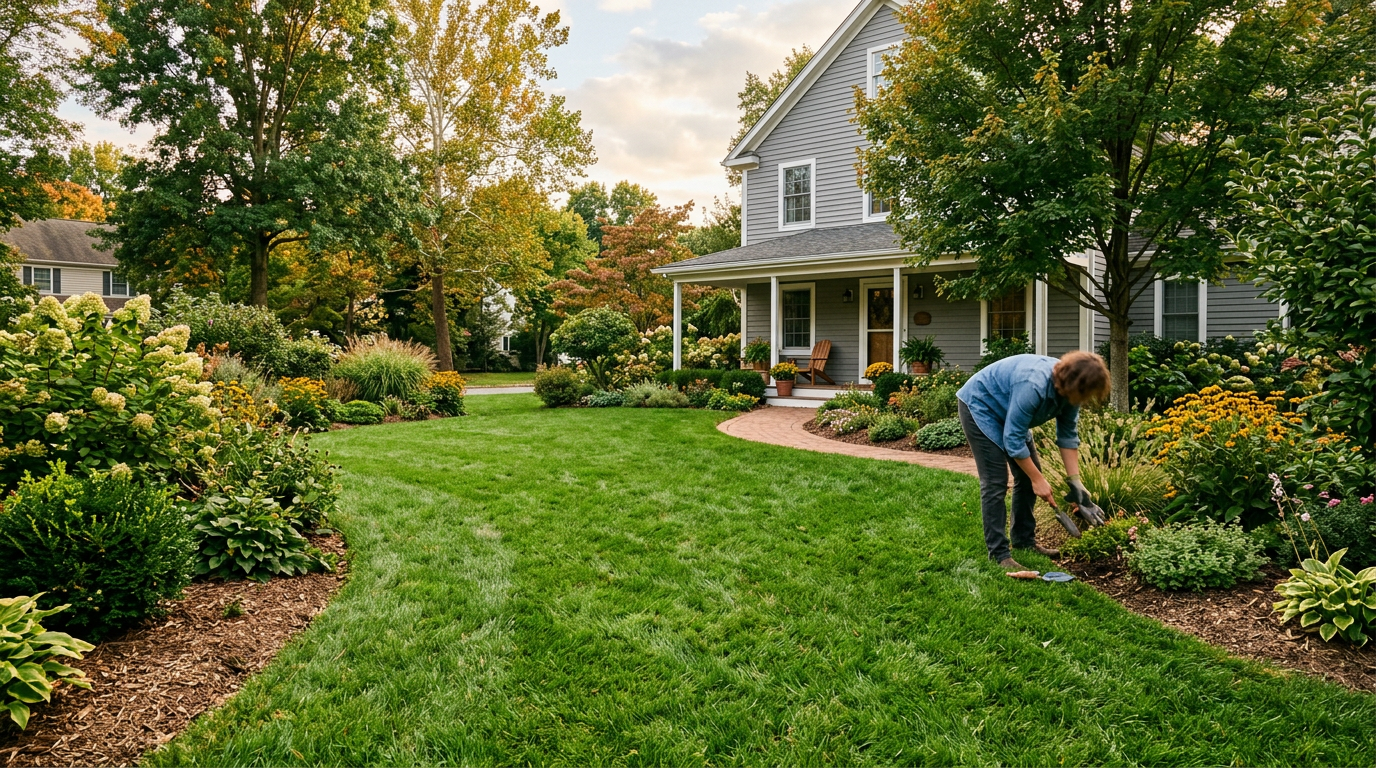
Let's be blunt: growing a great lawn in Delaware can feel like a part-time job you didn't sign up for. Our summers get hot and humid, but our winters are too cold for most southern grasses. Welcome to the turfgrass "transition zone," the single biggest reason your neighbor's lawn looks amazing in May and like a crispy, yellow mess by August. Choosing the right grass seed from the start is 90% of the battle.
We're here to cut through the marketing fluff and give you the straight scoop on the best grass for Delaware. Forget vague advice. We're naming names, talking tradeoffs, and giving you the exact knowledge you need to build a lawn that can handle everything from a New Castle County cold snap to a Sussex County scorcher.
Understanding Delaware's Tricky Lawn Climate
First, a quick science lesson, because it matters. Delaware sits squarely in USDA Hardiness Zones 7a and 7b. This is the infamous transition zone. Here's what that means for your grass:
- Cool-Season Grasses: These are the traditional grasses you think of up north—like Fescue and Bluegrass. They love the spring and fall but get stressed and can go dormant or die during our hot, humid summers.
- Warm-Season Grasses: These are southern belles like Bermuda and Zoysia. They thrive in the summer heat but turn a dormant, straw-brown color after the first hard frost and stay that way all winter.
So, what's a Delawarean to do? The answer for most homeowners is to select the most heat- and drought-tolerant cool-season grasses available. We'll focus on those first, with one notable warm-season exception for the southern part of the state.
1. Tall Fescue: Delaware's All-Around MVP
If you only read one section, this is it. We've seeded countless lawns in the transition zone, and we keep coming back to one workhorse: Turf-Type Tall Fescue (TTTF). This isn't your grandpa's clumpy, wide-bladed pasture grass. Modern TTTF varieties are darker, finer-textured, and form a dense, beautiful lawn.
Why is it number one for Delaware?
- Deep Roots: TTTF can grow roots 2-3 feet deep, allowing it to access water far below the surface. This is its superpower for surviving Delaware summers with less irrigation.
- Heat & Drought Tolerance: It's the most heat-tolerant of all the common cool-season grasses.
- Good Traffic Tolerance: It holds up well to kids, pets, and backyard parties.
Best Bet: Look for blends that say "Turf-Type Tall Fescue." A top-tier product we rely on is Jonathan Green Black Beauty Ultra. A 7 lb. bag, which covers about 2,500 sq. ft. for overseeding, runs about $45-$55. For larger areas, a 20 lb. bag of Pennington Smart Seed Tall Fescue Blend is a solid choice at around $70.
Downsides: It has a bunch-type growth habit, meaning it doesn't spread and self-repair like Kentucky Bluegrass. Bare spots will need to be reseeded. Overseeding a lawn every other fall is a great strategy to keep a fescue lawn thick.
2. Kentucky Bluegrass: The Premium Delaware Choice
Kentucky Bluegrass (KBG) is the grass that creates that classic, dense, emerald-green lawn. It has a beautiful color and texture, and its best feature is its ability to spread via underground stems called rhizomes. This means it can fill in bare spots and repair itself.
So why isn't it #1? KBG is needier. It has a shallower root system than Tall Fescue, making it more susceptible to summer drought and heat stress. It requires more frequent watering and fertilization to look its best.
For most of Delaware, we recommend using KBG as part of a mix, typically 10-15% KBG and 85-90% Tall Fescue. This gives you the best of both worlds: the durability of fescue with the beauty and self-repairing ability of bluegrass. Pure KBG stands are best left to the slightly cooler microclimates in northern New Castle County where homeowners are committed to a higher level of maintenance. Following a strict schedule for how often to mow your lawn is critical for a healthy KBG stand.
Best Bet: You'll usually find it in high-end mixes. Scotts Turf Builder Quality All-Purpose Mix contains KBG and is a widely available option.
3. Fine Fescues: For Delaware Lawns With Lots of Shade
Got a yard with mature oak and maple trees? Are you fighting a losing battle with moss under a big Silver Maple? Stop trying to force Tall Fescue or KBG to grow where they won't. You need Fine Fescues.
This is a category of grasses including Creeping Red, Chewings, and Hard Fescue. They are the most shade-tolerant of all cool-season grasses and have very low needs for water and fertilizer. In fact, they prefer to be left alone.
- Creeping Red Fescue: Spreads slowly to fill in thin areas in the shade.
- Chewings Fescue: A non-spreading, bunch-type grass that is very drought tolerant.
- Hard Fescue: The most tolerant of heat, drought, and low fertility of the fine fescues.
Best Bet: Look for a dedicated shade mix. We recommend Jonathan Green Black Beauty Shady Nooks or Pennington Smart Seed Dense Shade Mix. These are formulated to thrive where other grasses fail. Check out our full guide to the best grass seed for shade for more options. Just know they don't handle heavy foot traffic well.
4. Perennial Ryegrass: The Fast Fix
Perennial Ryegrass is the sprinter of the grass world. It germinates incredibly fast, often sprouting in just 5-7 days. This makes it fantastic for quick repairs or for getting some green cover established in the fall to prevent erosion.
However, it's not a long-term survivor in Delaware on its own. It has the poorest heat and drought tolerance of the cool-season grasses and is prone to disease in our humid summers. If your lawn is looking weak and turning yellow, a disease hitting the ryegrass component is a common culprit.
We almost never recommend seeding a pure Perennial Ryegrass lawn in Delaware. Its role is as a "nurse grass" in seed blends. It pops up fast, provides quick color, and then fades back as the more durable Tall Fescue and KBG take over in the following seasons.
5. Zoysia Grass in Delaware: A Viable Southern Option
Here's our curveball. For homeowners in Kent and especially Sussex County, particularly near the coast where soils are sandy and the sun is relentless, Zoysia grass is a legitimate option. According to the University of Delaware Extension, some warm-season grasses can be used in the southern portion of the state, but homeowners must accept the winter dormancy. (Source: udel.edu/academics/colleges/canr/cooperative-extension/fact-sheets/lawn-management-in-delaware/)
Zoysia is a warm-season grass that forms a very dense, traffic-tolerant carpet. It loves heat and is incredibly drought-tolerant once established.
The Big Tradeoff: Zoysia will turn completely brown from the first frost in fall until it greens up again in late spring. You will have a tan-colored lawn for about 5-6 months of the year. If you can live with that, it's a fantastic low-maintenance choice for summer. It's often established with plugs or sod, as it's a very slow grower from seed.
Putting It All Together: Your Delaware Lawn Plan
- Get a Soil Test: Before you spend a dime, get a soil test. The University of Delaware offers them for a small fee ($20 last we checked). This will tell you your soil's pH and nutrient levels, so you aren't guessing.
- Choose the Right Seed:
- Most of Delaware (Sun/Part Shade): A high-quality Turf-Type Tall Fescue and Kentucky Bluegrass mix.
- Shady Areas: A dedicated Fine Fescue shade mix.
- Southern Delaware (Full Sun, Sandy Soil): Consider Zoysia if you're okay with winter dormancy.
- Timing is Everything: The absolute best time to water grass is early morning, and the best time to plant grass seed in Delaware is late summer to early fall (mid-August to late September). This allows the new grass to establish before winter without the stress of summer heat.
- Buy Quality Seed: Check the analysis tag on the bag. You want a high percentage of the desired grass types, a "germination rate" over 85%, and "weed seed" and "other crop seed" percentages as close to 0.00% as possible. It's worth spending a few extra bucks for good seed from a reputable garden center like Gateway Garden Center in Hockessin or East Coast Garden Center in Millsboro.
Frequently asked
What is the best low-maintenance grass for Delaware?+
For sunny areas, Turf-Type Tall Fescue is the best low-maintenance choice due to its deep roots and drought tolerance. For shady, low-traffic areas, a Fine Fescue blend is even more low-maintenance, requiring less water, fertilizer, and mowing.
Can you grow Zoysia grass in Delaware?+
Yes, Zoysia grass is a viable option in the sunnier, sandier parts of central and southern Delaware (Kent and Sussex counties). However, you must accept that as a warm-season grass, it will turn brown and go dormant for the entire winter.
When is the best time to plant grass seed in Delaware?+
The ideal time to plant grass seed in Delaware is from mid-August to late September. Planting in late summer/early fall allows the cool-season grasses to establish their roots during the cooler weather without the stress of summer heat and disease pressure.
What grass grows best in the shade in Delaware?+
Fine Fescues (like Creeping Red, Chewings, and Hard Fescue) are the best grasses for shady areas in Delaware. They are highly shade-tolerant, have low water and fertilizer needs, and are found in most high-quality 'dense shade' seed mixes.
Should I use Kentucky 31 fescue in Delaware?+
We do not recommend Kentucky 31 (K-31) for a home lawn in Delaware. It's an older, wide-bladed pasture grass that is clumpy and light green. Modern Turf-Type Tall Fescue varieties offer a much better appearance, texture, and density for a quality lawn.