
The 5 Best Grass Types for Connecticut Lawns (2024)
Stop guessing what grass to plant in your Connecticut yard. We're cutting through the noise to give you the exact cool-season grass types that thrive from the Gold Coast to the Litchfield Hills.
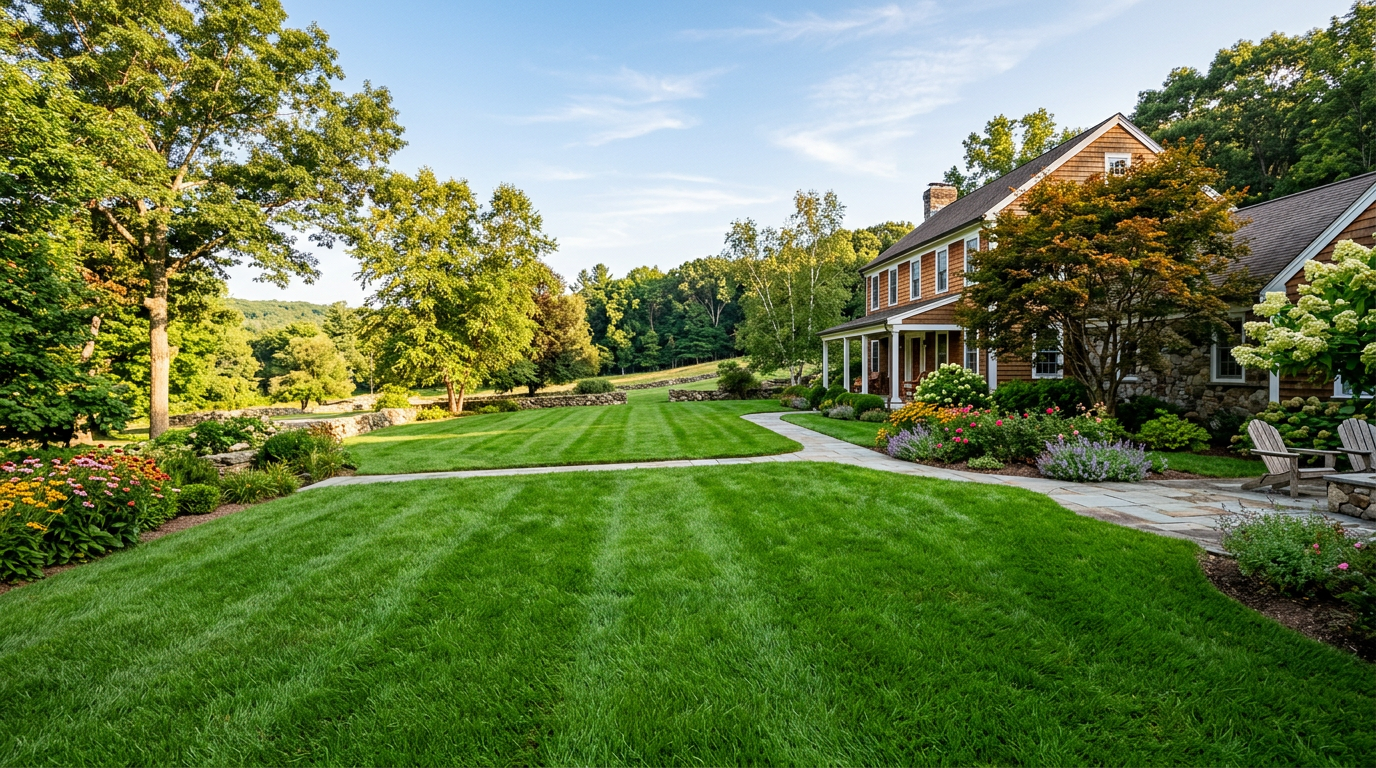
Let’s be direct. Growing a great lawn in Connecticut is a battle on two fronts. You’ve got the humid, salt-tinged air along the coast and the colder, snowier winters inland in places like Hartford and Litchfield County. Your neighbor’s lawn might look amazing, but what works in Greenwich might struggle in Granby. The secret weapon isn’t some miracle tonic; it’s choosing the right tool for the job. And in this case, the tool is grass seed.
We’re not here to sell you a fantasy. We’re here to give you the exact playbook for a durable, green Connecticut lawn that can handle a summer cookout, a New England winter, and everything in between. The key is to stop thinking about a single type of grass and start thinking about a team of grasses working together.
Understanding Connecticut's Climate & Soil
Before you buy a single seed, you need to know your battlefield. Connecticut exists in a cool, humid continental climate, falling within USDA Hardiness Zones 5b to 7a. This means our grass has to endure hot, humid summers and freezing winters where the ground can turn to a solid block of ice. This fact alone eliminates all warm-season grasses like Bermuda, Zoysia, and St. Augustine. Don't even try it. They'll look sad in the fall and be dead by spring.
Then there's the soil. Much of Connecticut is blessed with what geologists call "glacial till." For homeowners, that means rocky, often compacted soil that tends to be acidic. Grass loves slightly acidic to neutral soil (a pH of 6.0 to 7.0). Most unamended CT soil hangs out in the 5.0 to 6.0 range, which locks up nutrients and makes it tough for grass to thrive.
Your first move? Get a soil test. Don't guess. For about $15, the UConn Soil Nutrient Analysis Laboratory will give you a detailed report on your soil's pH, nutrient levels, and exactly what you need to add. It’s the single best investment you can make for your lawn.
The Best Grass Types for a Connecticut Lawn
Forget the idea of a single magic bullet. The most resilient lawns in Connecticut are almost always a mix of a few key cool-season players. Each one brings a different strength to the table.
1. Kentucky Bluegrass (KBG)
This is the supermodel of the grass world. KBG has a beautiful, rich, dark green color and a fine texture. Its best feature is its ability to spread and self-repair via underground stems called rhizomes, which helps fill in bare spots. It's the classic choice for that perfect, dense carpet of a lawn.
- Pros: Excellent color and texture, self-repairing, very cold-hardy.
- Cons: Slow to germinate (can take up to 30 days), requires more fertilizer and water than other types, doesn't tolerate shade well.
- Best For: Full-sun lawns where appearance is the top priority.
2. Perennial Ryegrass
Perennial Ryegrass is the sprinter. It germinates incredibly fast (sometimes in just 5-7 days), making it the star of any overseeding project. It provides quick green cover while the slower seeds get established. It also stands up well to foot traffic.
- Pros: Germinates very quickly, high wear tolerance, good disease resistance.
- Cons: Less cold-tolerant than KBG, bunch-forming (doesn't spread), can struggle in summer heat and drought.
- Best For: Quick repairs, high-traffic areas, and mixing with other grasses.
3. Fine Fescues (Creeping Red, Chewings, Hard Fescue)
These are the shade and low-maintenance champions, perfect for those classic New England properties with lots of mature trees. If you have a shady yard and are tired of struggling, this is your answer. They have a very fine, needle-like texture and require less water, fertilizer, and mowing than other grasses.
- Pros: The a href="/cluster/best-grass-seed-for-shade">best shade tolerance of all cool-season grasses</a>, low water and fertilizer needs, good drought tolerance.
- Cons: Doesn't handle heavy foot traffic well, can get matted and diseased in hot, humid weather if not managed.
- Best For: Shady, low-traffic areas or a low-maintenance lawn.
4. Turf-Type Tall Fescue (TTTF)
This isn't your grandfather's tall fescue. Modern Turf-Type Tall Fescues are the rugged workhorses of the modern lawn. They've been bred to have a finer texture and better color than older varieties while retaining their incredible durability. Their secret is a deep root system, which can reach 2-3 feet down, making them much more drought and heat-tolerant than other cool-season grasses.
- Pros: Excellent heat and drought tolerance, good shade and traffic tolerance, relatively low maintenance.
- Cons: Bunch-forming (though some new varieties have small rhizomes), can be slightly coarser than KBG.
- Best For: All-around use in sun and partial shade. It's a fantastic, resilient choice for most Connecticut lawns.
5. The Pro Choice: A High-Quality Mix
We've laid a lot of sod and spread a lot of seed here in New England, and our go-to for a bulletproof Connecticut lawn is almost always a high-quality mix. Why? Because a mix combines the strengths of each grass type to create a lawn that can handle anything. A sunny patch gets the KBG, a shady spot gets the Fine Fescue, a high-traffic area gets the Perennial Rye, and the Tall Fescue holds it all together in the summer heat.
A top-tier product like Jonathan Green Black Beauty Ultra is a perfect example. It typically contains TTTF, KBG, and Perennial Ryegrass. It costs more—around $100-$120 for a 25 lb bag at a local spot like Van Wilgen's Garden Center—but you get what you pay for: certified seeds with high germination rates and no fillers.
Planting & Lawn Care Calendar for Connecticut
Timing is everything. Working with the Connecticut seasons instead of against them will save you money and frustration.
-
Spring (April - May): The ground is thawing. This is the time for cleanup and prep. If you have more than a half-inch of thatch, now is the time to dethatch your lawn. Apply a pre-emergent herbicide to prevent crabgrass, but only if you are not seeding. Get your soil test done. Apply lime if your test calls for it.
-
Summer (June - August): Survival mode. Raise your mowing height to 3-4 inches to shade the soil and conserve water—check our guide on how often to mow. Water deeply but infrequently; the best time to water grass is early morning. Watch for grubs and fungus.
-
Fall (Late August - Early October): This is PRIME TIME. This is the single best window to plant grass seed in Connecticut. The soil is warm from the summer, the air is cool, weed competition is low, and the grass has two full seasons (fall and spring) to get established before facing summer stress. This is when you overseed your lawn for a thicker, healthier yard next year.
-
Late Fall (October - November): Apply a final "winterizer" fertilizer. This feeds the roots and gives the lawn energy to store for a quick green-up next spring. Continue mowing until the grass stops growing.
Connecticut-Specific Lawn Challenges
Living in the Nutmeg State brings a few unique lawn headaches. Here’s how to deal with them.
Grubs: The larvae of Japanese Beetles and other pests are a major issue in CT. They feed on grass roots, causing large, irregular brown patches that you can roll back like a carpet. Apply a preventative grub control product like Scotts GrubEx in late spring/early summer (May-June). This will kill the grubs as they hatch.
Red Thread & Dollar Spot: Our humid summers are a perfect breeding ground for fungal diseases. Red Thread looks like pinkish-red strands on the grass blades, while Dollar Spot creates small, silver-dollar-sized bleached spots. These are often signs of low nitrogen. A proper fall fertilization schedule is your best defense. Improving air circulation by pruning trees can also help.
According to the National Oceanic and Atmospheric Administration, Connecticut receives an average of 45 to 50 inches of precipitation annually, distributed fairly evenly throughout the year (Source: NOAA National Centers for Environmental Information). This consistent moisture is great for grass, but it's also why fungal diseases can pop up fast if your lawn has poor drainage or you're watering too often.
Acidic Soil: As mentioned, it's a given. If your UConn soil test shows a pH below 6.0, you need to apply lime. A product like Jonathan Green's Mag-I-Cal Plus for Lawns in Acidic Soil is specifically designed for this. Fall is the best time to apply it, as the freeze-thaw cycles of winter help work it into the soil.
Frequently asked
Can I plant Zoysia grass in Connecticut?+
No. Zoysia is a warm-season grass that cannot handle Connecticut's freezing winter temperatures. It will go dormant and brown in the fall and will likely die completely over the winter. Stick to cool-season grasses for a perennial lawn in CT.
What's the best low-maintenance grass for CT?+
Fine Fescues (like Creeping Red or Chewings Fescue) are your best bet for a low-maintenance lawn in Connecticut. They tolerate shade, require less fertilizer and water than Kentucky Bluegrass, and handle our typically acidic soil relatively well.
When should I fertilize my lawn in Connecticut?+
The most important time to fertilize in Connecticut is the fall, around Labor Day and again in late fall (October/November). This helps the grass store nutrients for winter and encourages a strong green-up in the spring. A light spring feeding is also beneficial.
How much does grass seed cost in Connecticut?+
Expect to pay between $4 to $8 per pound for high-quality, certified grass seed from brands like Jonathan Green or Seedway. A 25-pound bag, covering about 5,000 square feet for overseeding, will typically cost between $90 and $125 at local garden centers.
Is it better to seed or sod a lawn in CT?+
Seeding is more economical and offers a wider variety of grass types, but requires more initial care and time. Sod provides an "instant lawn" but is far more expensive. For most homeowners, seeding or [overseeding an existing lawn](/cluster/how-to-overseed-a-lawn) is the most cost-effective solution.