
The 5 Best Grass Types for Colorado Lawns (2024 Guide)
Growing a great lawn in Colorado means picking the right grass. We break down the top 5 choices for the Centennial State's sun, altitude, and dry conditions.
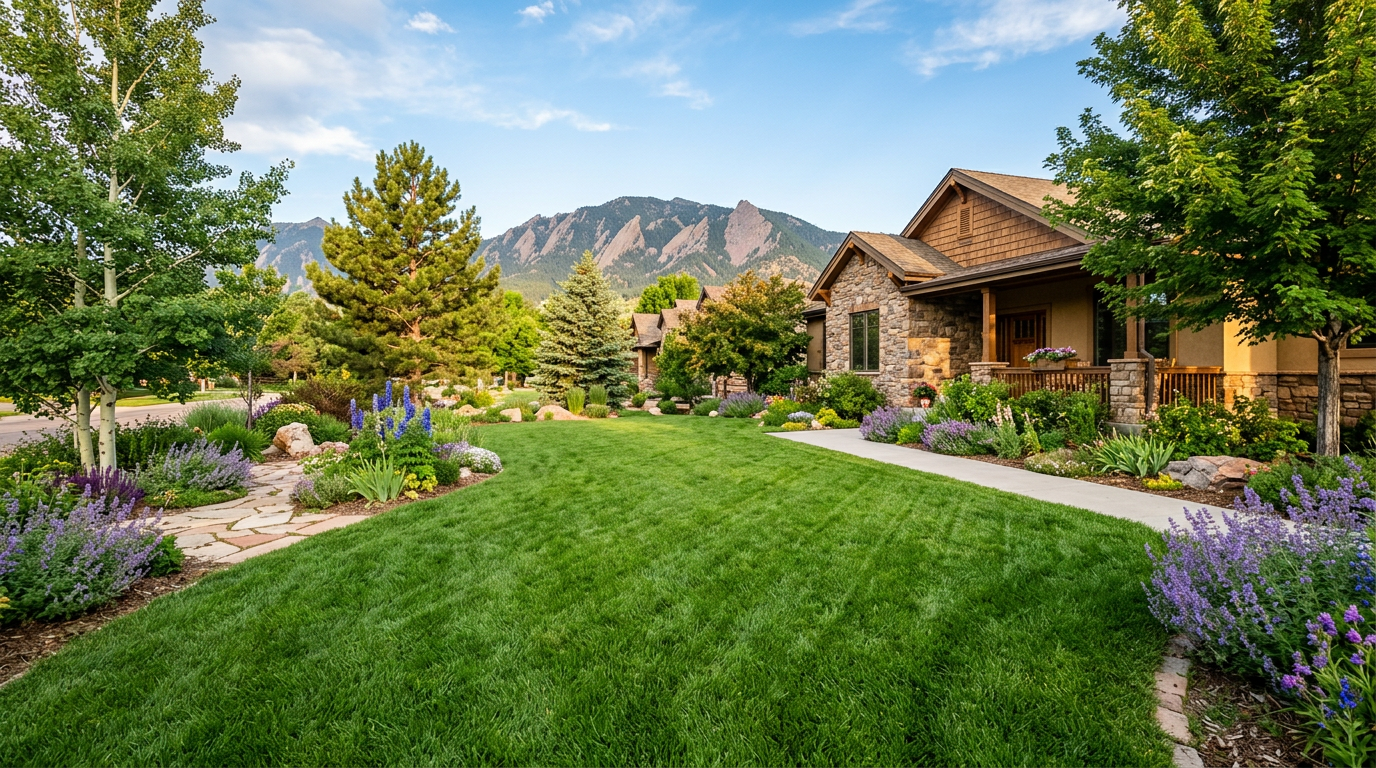
Let's be direct: growing a lush, green lawn in Colorado is a challenge. You're fighting against high altitude, intense UV radiation, wild temperature swings, generally awful alkaline clay soil, and—most importantly—a chronic lack of water. It’s not like trying to grow grass in Alabama where humidity is your biggest problem. Here, water is gold.
But that doesn't mean you're doomed to a yard full of gravel and despair. It just means you have to be smarter than the average homeowner. Choosing the right type of grass is 90% of the battle. We're here to cut through the noise and give you the real-world breakdown of the best grass types that can actually survive and thrive in the Centennial State, from the Front Range to the Western Slope.
Decoding Colorado's Unique Lawn Challenges
Before you can pick a winner, you have to understand the opponent. Your lawn isn't just fighting for its life against dandelions; it's up against the entire Colorado climate.
- Water Scarcity: This is the big one. Cities like Denver, Aurora, and Colorado Springs have increasingly strict watering rules. According to the Colorado Water Conservation Board, landscape irrigation can account for up to 50% of residential water use during the summer, which is why it's the first thing to get restricted during a drought. Your grass choice must be water-wise. (Source: Colorado Water Conservation Board, https://cwcb.colorado.gov/focus-areas/water-conservation)
- Alkaline & Clay Soil: Most soil along the Front Range is heavy clay with a high pH (alkaline). This can lock up essential nutrients like iron, leading to a yellow, sickly lawn. This condition, called iron chlorosis, is a common reason why your grass might be turning yellow.
- High Altitude & Intense Sun: At 5,280 feet and higher, the sun is brutal. The thinner atmosphere means more intense UV radiation, which can stress and scorch the wrong type of grass. Lawns need to be tough.
- Wild Temperature Swings: It's a Colorado cliché for a reason. A 70°F day followed by a spring snowstorm is tough on tender grass varieties. Your lawn needs to be resilient.
1. Turf-Type Tall Fescue
If we had to pick one all-around winner for the modern Colorado lawn, this would be it. Don't confuse this with the old, coarse Kentucky 31 Tall Fescue. Modern Turf-Type Tall Fescues (TTTF) are bred to have a finer texture while retaining their legendary toughness.
- Pros: The single best feature is its deep root system, which can grow 2-3 feet down, tapping into moisture other grasses can't reach. This makes it significantly more drought-tolerant than Kentucky Bluegrass. It also has excellent wear resistance, making it great for families with kids and pets.
- Cons: It's a bunch-type grass, meaning it grows in clumps and doesn't self-repair. If you get a bare patch, you'll need to overseed that spot to fill it in.
- Best For: The average homeowner in Denver, Fort Collins, or Colorado Springs who wants a durable, relatively low-water traditional lawn.
- Product Pick: We've had great results with Barenbrug Water Saver Pro with HGT. It's a mix that often includes Tall Fescue and drought-tolerant bluegrass. A 25 lb bag will run you about $100-120 and cover around 5,000 sq ft for overseeding.
2. Kentucky Bluegrass (KBG)
Ah, Kentucky Bluegrass. This is the grass of American dreams—a dense, emerald-green, self-repairing carpet. It spreads via underground stems called rhizomes, allowing it to fill in bare spots on its own. It's the predominant choice for sod farms in Colorado for a reason: it looks incredible.
But its beauty comes at a high price, and we're not just talking dollars.
- Pros: Unmatched aesthetic appeal and color. Excellent cold tolerance. Self-repairing ability means it can handle traffic well over time.
- Cons: It's a water hog. Its root system is shallow, making it the first to brown out in a drought. It's also highly susceptible to diseases in Colorado, particularly Necrotic Ring Spot (NRS), which creates dead, donut-shaped rings in the lawn. Here at Dirt Cheap Genius, we've torn our hair out over NRS in ourKBG test plots. It requires more frequent fertilizing and maintenance.
- Best For: Homeowners with an ample water budget and a desire for a picture-perfect lawn who are willing to put in the work.
- Product Pick: Look for blends that mix KBG with other grasses. Scott's Turf Builder Sun & Shade Mix is a classic big-box choice that includes KBG and fine fescues, giving you a bit more resilience. A 20 lb bag costs around $80.
3. Fine Fescues (Creeping Red, Chewings, Hard Fescue)
Fine fescues are the unsung heroes of low-maintenance lawns. If you have shady spots under mature trees or want to mow less and water less, this is your grass. They have a very fine, almost wispy texture and are known for their exceptional shade and cold tolerance.
- Pros: Low water and fertilizer requirements. The best shade tolerance of any cool-season grass. They perform well in poor soil conditions.
- Cons: They don't tolerate heavy foot traffic well and can become matted. They can struggle in the full, baking sun of a south-facing Colorado yard without some supplemental water.
- Best For: Shady areas, mountain properties in places like Evergreen or Aspen, and homeowners prioritizing low inputs over a perfect turf appearance.
- Product Pick: GCI Turf Fescue Blend or similar high-quality seed mixes that specifically list Hard Fescue, Chewings Fescue, and Creeping Red Fescue. Expect to pay a premium, around $60-70 for a 10 lb bag.
4. Buffalograss
Now we're talking native. Buffalograss is a warm-season grass that evolved on the plains of North America. It is exceptionally drought-tolerant and requires very little input once established. But—and this is a big but—it looks and acts very different from a traditional lawn.
- Pros: Extremely low water needs. Once established, it can often survive on natural rainfall alone in many parts of Eastern Colorado. It's low-growing, so you'll drastically reduce how often you need to mow your lawn. It's resistant to most diseases.
- Cons: As a warm-season grass, it has a very short green-up period. It will be brown and dormant from the first hard frost in fall until late spring (May or even early June). Its texture is thin and not as dense as TTTF or KBG. It does not tolerate shade at all.
- Best For: The eco-conscious homeowner who wants a true water-wise, low-maintenance prairie lawn and doesn't mind a non-traditional, golden-brown look for much of the year.
- Product Pick: It's often sold as sod or plugs. Look for cultivars like 'Legacy' or 'Prestige' from local nurseries or sod farms like Graff's Turf in Fort Morgan.
5. Dog Tuff™ Grass (Cynodon 'PWIN04S')
This is a special one for Colorado locals. Developed in the high plains of Africa and promoted by Plant Select® (a program run by Colorado State University and Denver Botanic Gardens), Dog Tuff™ is a game-changer for high-traffic, full-sun areas.
- Pros: As the name implies, it's incredibly durable and stands up to dog traffic and kids playing. It's a warm-season grass with phenomenal drought tolerance, requiring about half the water of KBG. It's also resistant to dog urine spots.
- Cons: Like Buffalograss, it's a warm-season grass that will be dormant and brown for 6-7 months of the year. It's aggressive and can spread where you don't want it. It must be established from plugs, not seed, which is more labor-intensive and expensive upfront. A flat of 72 plugs can cost $100-150.
- Best For: Dog owners. Anyone with a full-sun yard who wants the toughest, most water-wise turf available and is okay with a long winter dormancy period.
- Product Pick: You have to buy Dog Tuff™ Grass plugs from a licensed nursery. In the Denver metro, check places like Nick's Garden Center or Tagawa Gardens, as they often carry Plant Select® varieties.
Your Colorado Lawn Care Game Plan
Choosing the right seed is just the start. To keep it alive, you need to play by Colorado's rules.
- Watering: Stop watering for 15 minutes every day. It's useless. Water deep and infrequent to encourage deep root growth. Follow local guidelines, which usually means watering no more than 2-3 times per week in the peak of summer. The best time to water grass is always early in the morning (before 10 AM) to minimize evaporation.
- Soil Prep: Before you seed, get your soil tested through CSU Extension. You'll almost certainly need to amend it. Top-dressing with a high-quality compost from a local supplier like A1 Organics can do wonders to break up clay and add nutrients.
- Seeding Time: The absolute best time to plant cool-season grass seed in Colorado is from mid-August to mid-September. The soil is warm, but the brutal summer heat has passed, giving the seedlings a chance to establish before winter.
- Mowing Height: Mow high! Keep your TTTF or KBG at 3 to 3.5 inches. This shades the soil, keeps roots cooler, and helps conserve water.
Frequently asked
What is the most drought-tolerant grass for Colorado?+
For a green summer lawn, Turf-Type Tall Fescue is the most drought-tolerant traditional option. For extreme drought tolerance where winter dormancy is acceptable, native Buffalograss and specialized Dog Tuff™ Grass are the undisputed champions, often surviving on natural rainfall once established.
When should I plant grass seed in Colorado?+
The ideal time to plant cool-season grass seed (like Fescue or Bluegrass) in Colorado is late summer, from mid-August to mid-September. This allows seeds to germinate in warm soil and establish before the first frost, avoiding the stress of summer heat.
Is Kentucky Bluegrass a bad choice for Colorado?+
Not necessarily bad, but it's a high-maintenance and high-water choice. If you have an ample water budget and are prepared for the extra fertilizing and disease management it requires, it can be beautiful. For most people, a blend with Tall Fescue is more practical.
How can I make my Colorado lawn greener?+
Often, a yellow lawn in Colorado is due to iron chlorosis from alkaline soil. Apply a fertilizer with chelated iron. Also, ensure you're watering deeply and infrequently, not giving it shallow daily sprinkles. A soil test will tell you exactly what nutrients are missing.
What is the lowest maintenance grass for Colorado?+
Buffalograss is the lowest maintenance option. It requires very little water, fertilizer, or mowing once established. However, you must be willing to accept its long winter dormancy period (when it's brown) and its thinner, prairie-like texture compared to traditional turf grasses.