
The 5 Best Grass Types for Colorado Lawns (2024 Guide)
Choosing the right grass seed for Colorado's wild climate swings is half the battle. We'll show you which types thrive from the Front Range to the Western Slope.
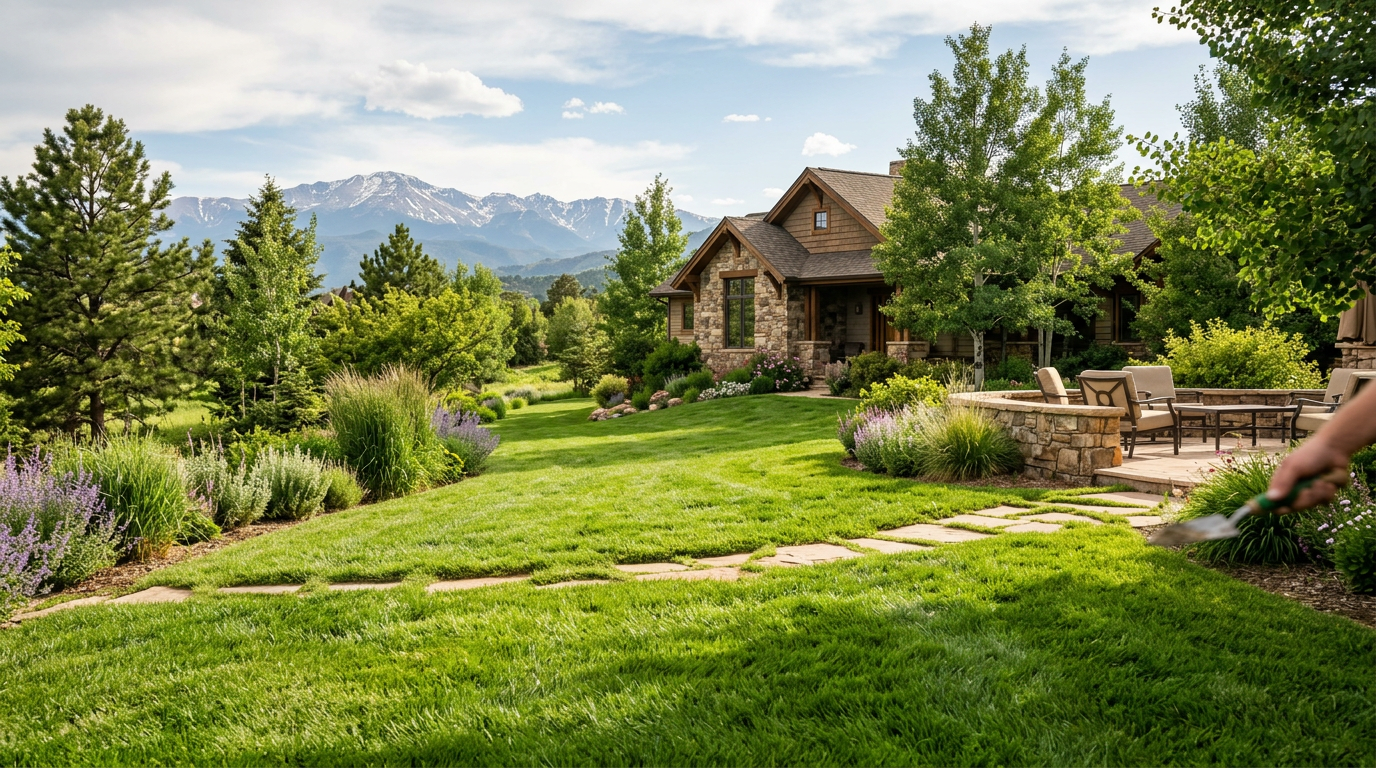
Let's be direct: growing a lush, green lawn in Colorado is a high-level sport. Between the intense sun, bone-dry air, surprise spring blizzards, and often-terrible soil, you can't just throw down any old seed and hope for the best. We're here to cut through the noise and give you the real-world guide to the best grass for your Colorado home, whether you're on the plains, in the Denver metro, or up in the foothills.
Selecting the right grass type isn't just about aesthetics; it's about water conservation, maintenance, and frankly, your sanity. Get it right, and you'll have a durable, beautiful lawn. Get it wrong, and you'll be fighting a losing battle against brown spots and high water bills.
Why Choosing the Right Grass for Colorado is So Tricky
If you're new here, welcome to the high desert. Colorado's semi-arid climate is the number one factor bossing your lawn around. We get an average of just 15-17 inches of precipitation a year along the populous Front Range. For comparison, a traditional Kentucky Bluegrass lawn wants about an inch of water per week during the summer.
Here’s the rundown of what you’re up against:
- Low Humidity & Intense Sun: At 5,280 feet, the sun's UV rays are about 25% more intense than at sea level. This stresses grass out, increases evaporation, and literally bakes the moisture out of the topsoil.
- Alkaline & Clay Soil: Most soil from Fort Collins to Pueblo is heavy on clay and high in pH (alkaline). Clay soil compacts easily, preventing water and air from reaching grass roots. It's workable, but it needs amending with compost.
- Wild Temperature Swings: It's not uncommon to see a 40°F temperature swing in a single day. Grass has to be tough to handle a 75°F afternoon followed by a freezing night in May.
- Water Regulations: As the state's population grows, water becomes more precious. Many municipalities, like Denver and Aurora, have strict watering schedules and conservation mandates. Choosing a thirsty grass can get expensive and lead to fines.
Our Top 5 Grass Types for Colorado Lawns
Considering the challenges, the best strategy is usually a cool-season grass blend. These grasses have their active growth periods in the cooler temperatures of spring and fall, which aligns perfectly with the Colorado climate. Here are the all-stars.
1. Kentucky Bluegrass (KBG)
This is the picture-perfect lawn grass. It’s a rich green, feels soft underfoot, and has the fantastic ability to self-repair via underground stems called rhizomes. It's the grass of choice for upscale neighborhoods and athletic fields for a reason.
- The Good: Unbeatable color and texture. Spreads to fill in bare spots. Good cold tolerance.
- The Bad: It's a water hog, period. It can require up to 2 inches of water per week in the heat of July. It’s also slow to establish from seed, taking up to 21 days or more to germinate. If you're seeing your grass turning yellow, drought stress in your KBG is a likely culprit.
- Best For: Homeowners who prioritize a perfect look and aren't afraid of the water bill. We never recommend a 100% KBG lawn in Colorado. It should always be part of a blend.
2. Turf-Type Tall Fescue (TTTF)
This is our pragmatic pick for the modern Colorado lawn. Don't confuse it with the old, clumpy, wide-bladed K-31 Tall Fescue. Modern TTTFs have a much finer texture and better color. Their superpower is a massive root system that can reach 2-3 feet deep, tapping into soil moisture other grasses can't reach.
- The Good: Excellent drought and heat tolerance. Good wear tolerance. Deep roots make it much more water-wise than KBG.
- The Bad: It's a bunch-type grass, meaning it doesn't spread. If you get a bare patch, you'll need to reseed it. Some newer varieties have rhizomes, but they aren't as aggressive as KBG.
- Best For: The water-conscious homeowner who still wants a durable, green lawn for kids and pets to play on. It's arguably the best all-around choice for the Front Range.
3. Perennial Ryegrass
Perennial Ryegrass is the sprinter of the grass world. It germinates in just 5-7 days, making it an essential component of any seed mix. It provides quick green cover that protects the soil while the slower-growing KBG and fescues take their time.
- The Good: Extremely fast germination. Good traffic tolerance. Nice dark green color.
- The Bad: It's not the most cold-hardy and can struggle with Colorado's coldest winters and hottest summers. It's best used as a smaller percentage (10-20%) in a seed mix.
- Best For: Overseeding thin lawns to get fast results. It's the key ingredient that makes a new seeding look successful quickly. Curious about timelines? Check out our guide on how long grass seed takes to grow.
4. Fine Fescues (Creeping Red, Chewings, Hard Fescue)
This group of grasses is the answer to shady spots under mature trees. If you have areas where other grasses thin out and fail, a Fine Fescue blend is your secret weapon. They have very low water and fertilizer needs and are the most shade-tolerant of the cool-season grasses.
- The Good: The absolute best grass seed for shade. Low water and fertilizer requirements. Good cold tolerance.
- The Bad: Does not tolerate heat or heavy foot traffic well. Can get matted and diseased if overwatered or over-fertilized.
- Best For: Those shady areas of your yard. Also an excellent choice for low-maintenance, high-altitude lawns where water and growing seasons are limited.
5. Buffalograss
Now for something completely different. Buffalograss is a warm-season grass native to the North American plains. It is exceptionally tolerant of drought, heat, and poor soil. It requires very little water, fertilizer, or mowing (it only grows to about 6-8 inches).
- The Good: Supreme drought tolerance. The ultimate low-maintenance choice. Thrives in full sun.
- The Bad: As a warm-season grass, it goes dormant and turns brown with the first fall frost (early October) and doesn't green up until late spring (late May/early June). It does not tolerate shade or heavy traffic.
- Best For: Water-wise homeowners who want a more natural, prairie-style lawn and don't mind a tan yard for 7-8 months of the year. Best for south-facing, full-sun areas.
The Secret Weapon for Colorado: The Seed Blend
Hopefully we've made this clear: a lawn with a single grass type (a monoculture) is a recipe for failure in Colorado. A blend is your best friend. A mix of different grass types creates a diverse, resilient turf that can handle the state's variable conditions.
A classic Colorado blend looks something like this:
- 60% Kentucky Bluegrass: For beauty and repair.
- 20% Perennial Ryegrass: For fast germination and wear tolerance.
- 20% Fine Fescue: For shade and drought tolerance.
We've had great success with pre-made mixes. For example, a 20 lb. bag of Scotts Turf Builder Sun & Shade Mix, which contains a similar blend, costs about $85 at Home Depot and covers up to 6,600 sq. ft. for overseeding. For a local option, companies like Denver-based Arkansas Valley Seed sell professional-grade mixes like their "Front Range Turf Mix" specifically formulated for our climate.
According to the Colorado Water Conservation Board, outdoor landscaping accounts for roughly 50 percent of residential water use in many communities, making grass choice a critical conservation strategy. Choosing a blend with Tall Fescue or reducing lawn area can slash that number significantly. (Source: https://cwcb.colorado.gov/focus-areas/water-conservation)
High Altitude & Mountain Town Considerations in Colorado
What works in Denver might not work in Breckenridge. As you go up in elevation, the challenges change:
- Shorter Growing Season: The window for seeding and growth is much smaller.
- Colder Winters: Only the most cold-hardy grasses will survive.
- Intense Sun & Wind: Even more extreme than on the plains.
For lawns above 7,500 feet, your best bet is a blend heavy on Fine Fescues (Hard Fescue, Sheep Fescue) and specific high-altitude KBG cultivars. Perennial Ryegrass is often excluded as it lacks the necessary cold tolerance. Look for specialty "Mountain Mixes" from local seed suppliers.
How to Establish Your New Colorado Lawn
Seeding right is just as important as choosing the right seed. The absolute best time to seed or overseed a lawn in Colorado is from late August to mid-September. The soil is still warm from the summer, but the cooling air temperatures reduce stress on the new seedlings. Weed competition is also much lower in the fall.
Spring seeding is possible but trickier. You need to get the seed down between mid-April and mid-May, after the last hard frost but before the summer heat arrives. You'll be battling a constant onslaught of weeds, including dandelions, and the transition to summer heat can be brutal for tender new grass.
Regardless of timing, proper watering is key. New seed needs to be kept consistently moist—not soaking wet—which may mean watering multiple times a day for short periods. Knowing the best time to water grass (early morning) is crucial to minimize evaporation and give your new lawn the best start.
Choosing the right grass is the first and most important step to a successful Colorado lawn. By picking a species or blend that matches our unique climate, you'll save water, money, and a whole lot of frustration.
Frequently asked
What is the most drought-tolerant grass for Colorado?+
For a traditional lawn look, Turf-Type Tall Fescue is the most drought-tolerant cool-season grass due to its deep root system. For maximum drought tolerance and low maintenance, native Buffalograss is the undisputed champion, though it is only green during the summer months.
When is the best time to plant grass seed in Colorado?+
The ideal time to plant grass seed in Colorado is during the late summer, from roughly August 20th to September 15th. The warm soil and cool air temperatures are perfect for germination and establishment with less weed competition compared to spring.
Is Kentucky Bluegrass a good choice for Colorado?+
Kentucky Bluegrass can be part of a good lawn in Colorado, but it should never be planted alone. It's beautiful but requires a lot of water. It performs best when blended with more drought-tolerant grasses like Tall Fescue or Fine Fescue to create a more resilient, water-wise lawn.
What's a good low-maintenance grass for Colorado?+
Native Buffalograss is the top choice for a low-maintenance lawn in Colorado, requiring little water, fertilizer, or mowing. For a more traditional cool-season lawn, a blend with a high percentage of Fine Fescues or Turf-Type Tall Fescue will be significantly lower-maintenance than a Kentucky Bluegrass lawn.
How do I deal with clay soil for my Colorado lawn?+
To improve Colorado's heavy clay soil, you must amend it with organic matter. Till or top-dress your lawn with 1-2 inches of high-quality compost. This improves drainage, adds nutrients, and helps break up the dense clay, allowing grass roots, water, and air to penetrate more easily.