
Best Grass for Arkansas: 5 Expert Picks for 2024
Struggling to find the right grass for your Arkansas yard? We cut through the noise to give you the best options for surviving hot summers and cool winters.
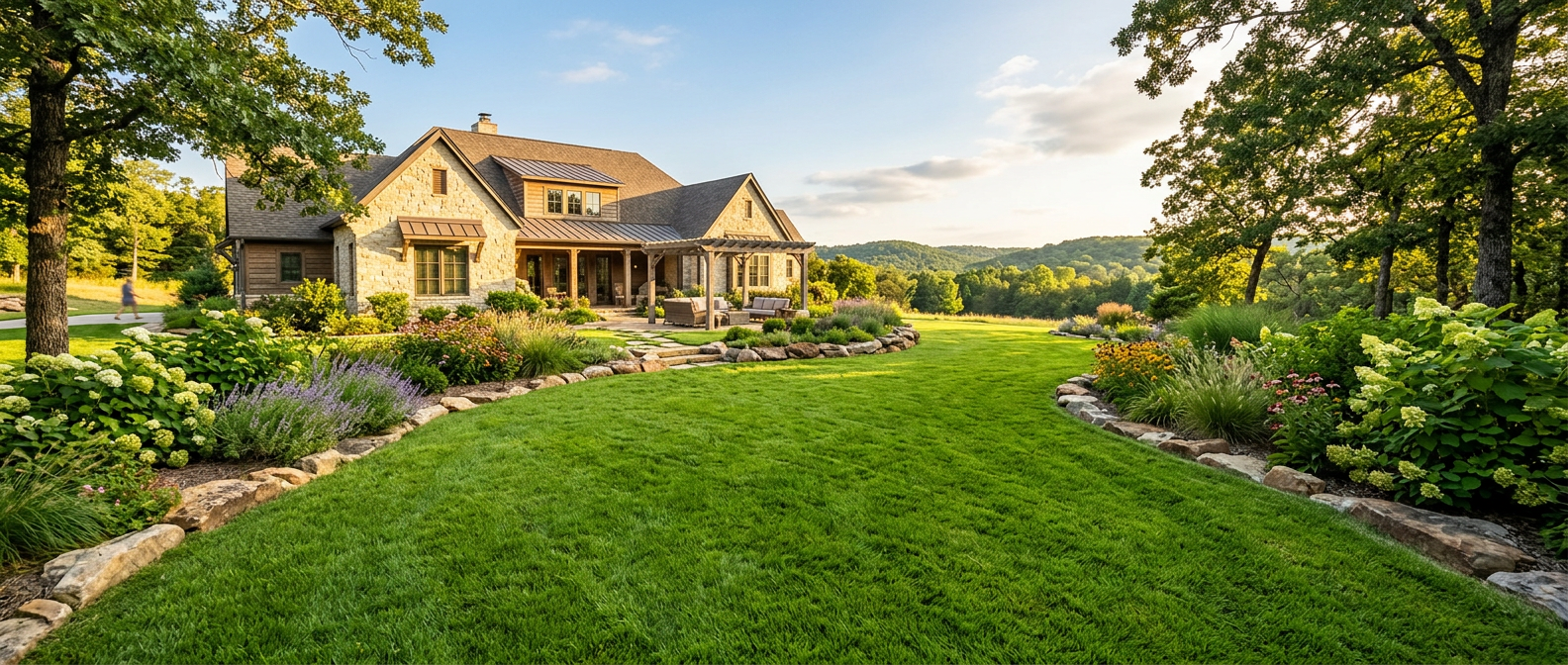
Let's get one thing straight: growing a perfect lawn in Arkansas is tough. You're not imagining it. The Natural State sits squarely in the infamous "transition zone," a belt across the middle of the country where it's a little too hot for cool-season grasses to be truly happy and a little too cold for warm-season grasses to thrive year-round. It's the worst of both worlds. But we're not about gatekeeping a green lawn. With the right know-how and the right grass type, you can absolutely have the best yard on the block.
We've laid down sod, scattered seed, and fought turf battles from Fayetteville to Pine Bluff. This is our no-nonsense guide to the best grass for Arkansas, whether you're dealing with the rocky soils of the Ozarks or the clay of the Delta.
Understanding the Arkansas Transition Zone Challenge
Before you buy a single bag of seed, you need to understand the battlefield. The transition zone means our summers (often 90°F+ with brutal humidity) are hell on cool-season grasses like Kentucky Bluegrass. But our winters, which can dip well below freezing, force warm-season grasses like Bermuda into a dormant, brown state for months.
According to the University of Arkansas Division of Agriculture, this zone is "arguably the most difficult area in the U.S. to grow turfgrass." (Source: https://www.uaex.uada.edu/yard-garden/lawns/default.aspx). So, your choice is a trade-off: a green lawn in summer that's brown in winter (warm-season), or a green lawn in spring/fall that struggles or dies in summer's heat (cool-season).
For 90% of Arkansans, especially in Central and Southern Arkansas, a warm-season grass is the right call. For those in the cooler, higher elevations of Northern Arkansas, a specific type of cool-season grass can work. Let's break down the contenders.
1. Bermudagrass: The Arkansas Sunshine King
If you have a full-sun yard and want a tough-as-nails turf, Bermudagrass is your champion. It spreads aggressively, stands up to kids and pets, and loves the Arkansas heat. It's the default choice for a reason.
- Pros: Extremely heat and drought tolerant, fast-growing, excellent traffic tolerance, self-repairs from damage.
- Cons: Goes dormant and turns brown after the first hard frost (usually October-April), requires full sun (will thin out dramatically in shade), can be invasive in flower beds.
- Best For: Most of Arkansas, especially south of I-40. Ideal for large, sunny yards with lots of activity.
- Recommended Cultivars: 'TifTuf' is the new gold standard for drought tolerance. 'Celebration' has slightly better shade tolerance. 'Common' Bermuda is the cheapest to establish from seed.
Personal Experience: We've seen 'TifTuf' Bermuda survive a brutal Little Rock August with minimal supplemental water, staying green while other lawns were turning yellow. It's impressive stuff.
2. Zoysiagrass: The Barefoot-Friendly Option
Zoysia is the luxury choice. It forms an incredibly dense, carpet-like turf that feels amazing underfoot and chokes out weeds. It handles Arkansas heat well and has better shade and cold tolerance than Bermuda.
- Pros: Excellent heat tolerance, good drought tolerance once established, very dense, good shade tolerance (for a warm-season grass), less invasive than Bermuda.
- Cons: Very slow to establish (sod is highly recommended), more expensive, turns brown in winter, slow to recover from damage.
- Best For: Homeowners who prioritize a lush, thick feel and are willing to be patient or pay for sod. Good for yards with partial or dappled shade.
- Recommended Cultivars: 'Meyer' is the classic, time-tested variety. 'Zeon' and 'Emerald' have finer blades and are often considered the most beautiful (and most expensive).
If you're looking for a grass to handle those patches of your yard that get only 4-5 hours of direct sun, Zoysia is a much better bet than Bermuda. For deeper shade, you'll need to check our guide to the best grass seed for shade.
3. Tall Fescue: The Northern Arkansas Contender
Tall Fescue is the only cool-season grass we can responsibly recommend for most of Arkansas, and even then, it comes with a big asterisk. It will stay green longer into the fall and green up earlier in the spring. In the cooler Ozark and Ouachita regions, it can stay green year-round. In Central or Southern Arkansas, it will struggle mightily through July and August and require a lot of water.
- Pros: Stays green most of the year in Northern AR, good shade tolerance, has a lovely deep green color and medium texture.
- Cons: Requires significant watering in summer, susceptible to brown patch disease in humid heat, does not self-repair (bare spots need reseeding).
- Best For: Northern Arkansas (Fayetteville, Bentonville, Jonesboro). Not recommended for Little Rock and south unless you have a heavily shaded yard and a robust irrigation system.
- Recommended Cultivars: Look for 'Turf-Type' Tall Fescue (TTTF) blends. Brands like Pennington's The Rebels or Scotts Turf Builder Tall Fescue are formulated with newer, more heat-tolerant varieties.
Many Arkansans overseed their dormant Bermuda lawns with annual ryegrass for winter color, but a dedicated Tall Fescue lawn is a different commitment.
Where to Buy Grass Seed and Sod in Arkansas
Getting quality seed or sod makes all the difference. Avoid generic bags from bargain bins. For local expertise and fresh-cut sod, we recommend professional turf farms.
- Sod: For folks in Central Arkansas, The Sod Source in North Little Rock is a go-to. A pallet of Meyer Zoysia (450 sq. ft.) will run you about $600-$700. A pallet of TifTuf Bermuda is similar, around $550-$650. Woerner Turf also has locations and is another excellent supplier.
- Seed: For seeding, you can find quality seed at big box stores. A 40 lb. bag of Pennington Smart Seed Tall Fescue Blend costs about $129 at Arkansas Lowe's stores, covering up to 10,000 sq. ft. for overseeding. A small 5 lb. bag of Scotts Turf Builder Bermudagrass Seed runs about $35 and covers up to 5,000 sq. ft.
Pro Tip: Your absolute first step should be getting a soil test from your local University of Arkansas Cooperative Extension Service office. For about $20, they'll give you a detailed report on your soil's pH and nutrient levels. Amending your soil based on this report is the cheapest, most effective thing you can do for your lawn.
Your Arkansas Lawn Care Calendar: A Quick Guide
Your lawn care schedule depends entirely on your grass type.
-
Warm-Season Grasses (Bermuda, Zoysia):
- Spring (April-May): The lawn is waking up. This is the time for your first mow. Apply pre-emergent herbicides to stop crabgrass. Wait until the lawn is fully green (late May/June) to fertilize.
- Summer (June-August): This is peak growing season. Mow 1-2 times per week. Fertilize every 6-8 weeks. Water deeply but infrequently; check our guide on the best time to water grass to maximize efficiency and minimize disease. This is when your lawn should look its best.
- Fall (September-October): Growth slows. Raise your mower height slightly. Apply a final, 'winterizer' fertilizer with low nitrogen and high potassium around early October. Stop fertilizing after that.
- Winter (November-March): The lawn is dormant and brown. Stay off it as much as possible to protect the crowns. Keep leaves raked off to prevent suffocation and disease.
-
Cool-Season Grasses (Tall Fescue):
- Spring (March-May): It's growing fast. Mow regularly. Be cautious with fertilizer; too much can make it more susceptible to summer disease.
- Summer (June-August): Survival mode. Raise your mowing height to 3-4 inches to shade the roots. Water deeply, especially during dry spells. Expect some stress and potential yellowing or brown patch disease.
- Fall (September-November): This is prime time for Tall Fescue. Lower the mowing height. This is the absolute best time to overseed and fertilize. The cooler temps and warm soil are perfect for growth.
- Winter (December-February): Growth is minimal but it should stay green. Mow only if needed.
Frequently asked
What's the best low-maintenance grass for Arkansas?+
Bermudagrass is generally the most low-maintenance option for sunny Arkansas lawns due to its aggressive growth and drought tolerance. Once established, it requires less water than Tall Fescue and recovers from damage quickly. However, it does require regular mowing during the summer to look its best.
When is the best time to plant grass seed in Arkansas?+
For warm-season grasses like Bermuda or Zoysia, plant seed from late spring to early summer (May to July). For cool-season Tall Fescue, the absolute best time is early fall (September to mid-October). Fall planting gives it time to establish before the stress of summer heat.
Can I mix warm-season and cool-season grasses in Arkansas?+
It's generally not recommended for a permanent lawn. The differing growth cycles, mowing heights, and fertilizer needs create a messy, inconsistent look. A common practice is to overseed a dormant Bermuda lawn with *annual* ryegrass (not perennial) for temporary winter color, which then dies off in the spring.
What grass stays green year-round in Arkansas?+
Tall Fescue is the only option that can potentially stay green year-round, primarily in the cooler, northern parts of Arkansas. However, it requires significant care and watering to survive the summer. No grass is guaranteed to be green 365 days a year in the transition zone without intense management.