
The Best Grass Seed for Alaska: 4 Tough Types
Growing a lawn in The Last Frontier is no joke. We break down the only four grass types you should consider for a lush, durable lawn that can handle a real winter.
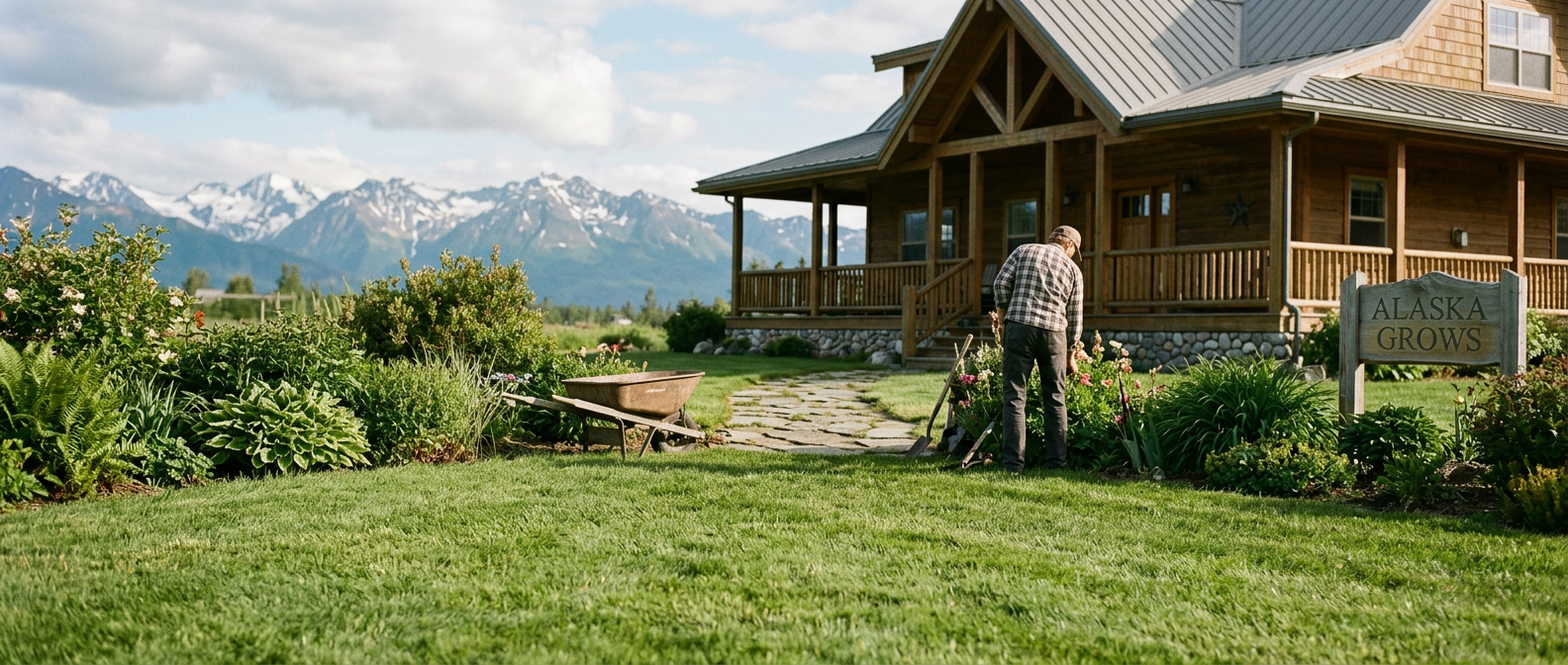
Let's get one thing straight: growing a great lawn in Alaska is a completely different ballgame than anywhere else in the US. Forget what you've seen in movies or on TV commercials selling seed for suburban Ohio. Here, we're dealing with extreme cold, a ridiculously short growing season, the midnight sun, and soils that can range from acidic peat to glacial silt. We aren't trying to scare you off; we're here to save you from wasting a season (and a pile of cash) on the wrong seed. Getting the best grass for Alaska means picking varieties that don't just survive, but actually thrive in these unique conditions.
We've seen too many people up north get frustrated after their beautiful new lawn from June turns into a yellow, patchy mess by the next spring. The secret isn't some miracle product. It's just biology. You need grasses that are genetically programmed to handle a deep freeze and make the most of our brief, intense summer. This is your no-nonsense guide to picking the right ones.
Understanding Alaska's Unique Lawn Challenges
Before you rip open a bag of seed, you have to respect the environment you're working in. Most of Alaska falls into USDA Hardiness Zones 1 through 5. Anchorage and the Kenai Peninsula might hover in the 4a/4b range, while Fairbanks is a solid 2 or 3. This means whatever you plant has to tolerate temperatures that can plummet to -40°F or colder.
Then there's the light. In Anchorage, you're getting over 19 hours of daylight at the summer solstice. In Fairbanks, it's nearly 22 hours. This is great for photosynthesis but can also stress out grasses not adapted to it. The growing season is also incredibly compressed. According to the University of Alaska Fairbanks Cooperative Extension Service, the growing season in the Tanana Valley is only about 105 days, while coastal areas like Homer may see up to 153 days. This compressed timeline means your grass seed has a very short window to germinate and establish strong roots before the first frost, which can arrive as early as late August in Fairbanks. (Source: https://www.uaf.edu/ces/publications/freepubs/HGA-00201.pdf)
Finally, there's the soil. It's often acidic, especially under spruce and birch trees. It might be rocky, silty, or have drainage issues. Getting a soil test through your local UAF extension office is the single smartest first step you can take. It costs about $20-$30 and tells you exactly what you're working with.
The 4 Best Grass Types for Alaska
Given the conditions, your options are limited to a handful of cool-season grasses. Warm-season grasses like Bermuda or Zoysia are a complete non-starter. Here are the champions that have proven themselves from Ketchikan to Fairbanks.
1. Kentucky Bluegrass (KBG)
This isn't the same delicate stuff you see on golf courses down south. The varieties that work here are tough as nails.
- Pros: Incredible cold hardiness. It has rhizomes (underground stems) that allow it to spread and self-repair bare spots. This makes for a dense, durable turf that stands up well to foot traffic from kids and dogs. It also has that classic, rich dark green color many people want.
- Cons: It's a slow starter. How long does grass seed take to grow? For KBG, it can be up to 30 days for germination, which is a big chunk of an Alaskan summer. It also requires more sunlight than fescues and is a bit needier when it comes to fertilizer and water.
- Best For: Sunny, high-traffic areas where you want that premium lawn look. It's the backbone of most quality Alaskan lawn mixes.
2. Fine Fescues (Creeping Red, Chewings, Hard)
Fine fescues are the unsung heroes of tough lawns. Creeping Red Fescue, in particular, is a star player in Alaska.
- Pros: The best shade tolerance of any common cool-season grass. If you have birch or spruce trees, you need fescue in your mix. They have low fertilizer and water needs and tolerate poor, acidic soils better than any other grass on this list. They also stay green longer with less input.
- Cons: They don't handle heavy foot traffic as well as KBG. Some varieties can be a bit clumpy if not mowed properly. They are also susceptible to a disease called red thread, but this is usually a sign of low nitrogen and easily fixed with fertilizer.
- Best For: Shady areas, low-maintenance yards, and mixing with KBG to create a versatile, all-purpose lawn.
3. Perennial Ryegrass
Think of perennial ryegrass as the sprinter on your team. It's not there for the whole marathon.
- Pros: It germinates incredibly fast, often in just 5-7 days. This provides quick ground cover that helps prevent erosion and outcompete weeds while the slower grasses get established. It has a nice, shiny green color.
- Cons: Most varieties of perennial ryegrass are not reliably winter-hardy in most of Alaska. It will often die out over the winter, especially in colder interior regions. It should never be seeded as a standalone lawn in Alaska.
- Best For: Use it only as a small percentage (10-20%) of a seed mix. It acts as a "nurse crop," protecting the slower-growing KBG and fescues in their first few weeks. It's also great for quick fall repairs if you get a bare spot before winter.
4. 'Nortran' Tufted Hairgrass
This is the local hero. Developed by the Alaska Plant Materials Center in Palmer, this is a cultivated strain of a native Alaskan grass (Deschampsia caespitosa).
- Pros: Unbeatable cold tolerance. It's literally made for Alaska. It has very low maintenance needs once established and is adapted to the local light cycles and acidic soils. It forms a fine-textured, attractive turf.
- Cons: The seed can be harder to find and more expensive than mainstream varieties. It's also slow to establish a dense turf and is best for low-traffic situations. It's more of a natural, meadow-style lawn than a traditional suburban turf.
- Best For: Naturalized lawns, low-mow areas, and for homeowners who want a truly Alaskan landscape with minimal inputs.
The Best Grass Seed Mixes for Alaskan Lawns
For 99% of Alaskan homeowners, a seed mix is the only way to go. A monoculture of a single grass type is a recipe for disaster. If a specific disease comes through or you have a patch of shade, that whole area will fail. A blend of KBG and Fine Fescues covers all your bases.
From our experience, buying a pre-made blend from a local Alaskan expert is the smartest move. Companies like Denali Seed Company (available at most hardware stores and garden centers) or Alaska Mill & Feed in Anchorage have spent decades perfecting their recipes.
A typical high-quality mix might look something like this:
- Denali Seed 'Alaska Lawn Mix': Usually contains a blend of 2-3 hardy Kentucky Bluegrass varieties and a solid percentage of Creeping Red Fescue. This is your go-to for a general-purpose lawn. A 5lb bag, which covers about 1,000 sq ft for new lawns, will run you about $35-$45.
- A 'Shady Mix': These mixes flip the ratio, with a much higher percentage of Fine Fescues (Creeping Red, Chewings). This is what you need for areas under trees or on the north side of your house. Check out our guide on the best grass seed for shade for more on this.
Planting and Lawn Care Calendar for Alaska
Your lawn care schedule is short and intense. Here's how to manage it.
-
Spring (Late May - June): This is GO TIME. Wait until the snow is long gone and soil temperatures are consistently above 50°F. In Anchorage, this is usually late May. In Fairbanks, it might be the first week of June. Now is the time to dethatch any winter matting and aerate if your soil is compacted. This is your primary window to seed a new lawn or overseed an existing one to thicken it up. Apply a starter fertilizer with your new seed to give it the phosphorus it needs for root development.
-
Summer (July - August): Welcome to the frenzy of growth. Those long days fuel rapid growth. You'll need to mow frequently, maybe twice a week. Our advice? Mow high. Keep your mower deck at 3, or even 4, inches. Taller grass shades the soil, conserves moisture, and builds deeper, more resilient roots. Water deeply but infrequently, maybe 1-2 times per week, to encourage those deep roots. The best time to water grass is early morning, but with Alaska's midnight sun, you have more flexibility than most.
-
Fall (Late August - September): Winter is coming. As growth slows, apply a "winterizer" fertilizer. These are low in nitrogen and high in potassium, which helps the grass harden off and store energy for the winter. Keep mowing until the grass stops growing. Your final mow should be slightly lower, around 2.5 inches, to help prevent snow mold. If you see pink or grey circles after snowmelt, you have snow mold. Some causes of yellowing grass are more serious than others, and snow mold is one to watch.
-
Winter (October - May): Let it sleep. Avoid walking on the frozen lawn as much as possible. The frozen grass blades are brittle and can easily break, causing damage that won't be repaired until spring. Dream of green grass and plan your attack for next year.
Frequently asked
What is the absolute best time to plant grass seed in Alaska?+
The ideal window is from late May to late June. You need to wait until the soil temperature is consistently 50-55°F. Planting any later than early July risks the grass not being mature enough to survive its first winter, especially in interior Alaska.
Can I grow a lawn in shady parts of my Alaskan yard?+
Yes, but you must use the right seed. A mix heavy in Fine Fescues, particularly Creeping Red Fescue, is essential. These grasses are far more shade-tolerant than Kentucky Bluegrass and are a key component of any good Alaskan shady lawn seed mix.
Why is my Alaskan lawn full of moss?+
Moss thrives in conditions where grass struggles: compacted soil, deep shade, low fertility, and acidic soil—all common in Alaska. To fight moss, you must fix the underlying conditions. Aerate the soil, prune trees for more light, and get a soil test to correct pH and nutrient levels.
How much does grass seed cost in Alaska?+
Expect to pay a bit more due to shipping costs. A quality 5-pound bag of an Alaskan-specific blend from a brand like Denali Seed Co. will typically cost between $35 and $50. Cheaper seeds are usually filled with less hardy annual ryegrass and are a poor investment here.
Do I really need to fertilize my lawn in Alaska?+
Yes. The growing season is short and intense, and Alaskan soils are often nutrient-poor. At a minimum, use a starter fertilizer when seeding and a winterizer fertilizer in the fall. A mid-summer feeding can also help maintain vigor, but don't overdo it.