
Best Grass for Alaska: 4 Tough Types for The Last Frontier
Let's be honest, growing a lush lawn in Alaska is a special kind of challenge. We'll show you exactly which grass types can handle the cold, dark winters and intense summers.
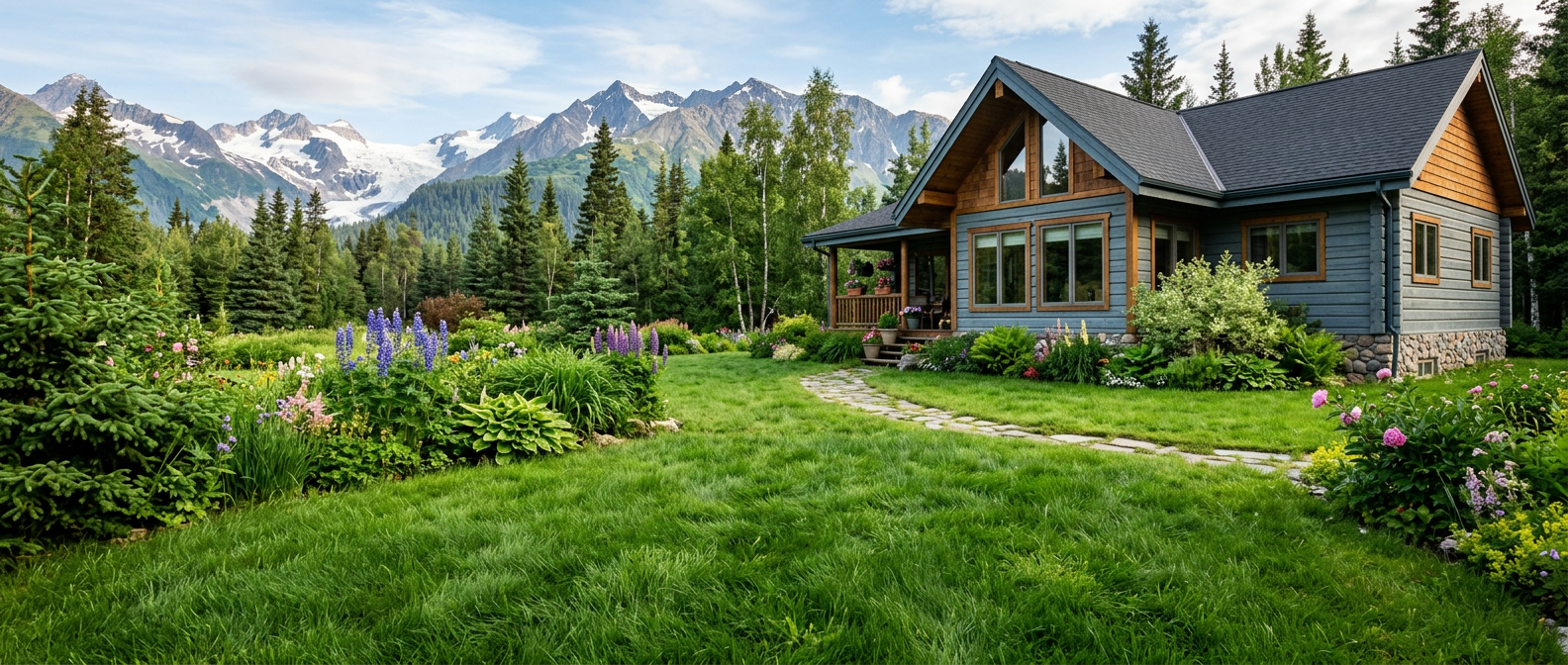
Growing a lawn in Alaska isn't like growing one in the Lower 48. Anyone who tells you otherwise is probably trying to sell you a bridge in Tok. Here, we're dealing with long, brutal winters, a growing season shorter than a grizzly's temper, and sunlight that either disappears for months or sticks around all night. But we're not about gatekeeping a good-looking yard. You absolutely can have a decent patch of green, even in the Land of the Midnight Sun. You just need the right seed and a no-nonsense plan.
Forget whatever worked for your cousin in Florida. Warm-season grasses like Bermuda or St. Augustine will die faster than a forgotten ice cream cone on the blacktop in July. For Alaska, we're exclusively in the cool-season grass club. Let's break down the best options.
Why Growing Grass in Alaska Is... Different
Before we get to the seed, let's set the stage. Understanding the unique challenges of the Alaskan climate is half the battle. This isn't just about cold; it's about a whole different set of rules.
- Extreme Winters: Temperatures regularly plunge to -20°F, -40°F, or even lower. The grass you choose must be exceptionally cold-hardy just to survive under the snowpack.
- Short, Intense Growing Season: You might only have 90 to 120 frost-free days to work with. But during that time, especially in places like Fairbanks, you can get 20+ hours of daylight. This intense sun can be great for growth but also stressful on the turf.
- Acidic Soil: Much of Alaska's soil is naturally acidic, thanks to all those evergreen needles and decaying organic matter. Most turfgrasses prefer a more neutral pH (6.0-7.0), so you'll likely need to amend your soil with lime.
- Snow Mold: After months under a blanket of wet, heavy snow, your lawn is a perfect breeding ground for pink and gray snow mold. This fungal disease can wipe out large patches of your lawn if you don't take preventative measures.
The Iron Triumvirate: Best Grasses for an Alaska Lawn
You will almost never plant a single type of grass seed in Alaska. The winning strategy is always a mix. A good blend leverages the strengths of each variety to create a resilient, adaptable lawn. Most quality Alaska-specific blends are built on three core grasses.
1. Kentucky Bluegrass (KBG)
Don't let the name fool you; this stuff is tough enough for the north. KBG is the backbone of many cold-climate lawns for good reason.
- Pros: Excellent cold tolerance, beautiful dark green color, and a remarkable ability to self-repair. It spreads via underground stems called rhizomes, which fill in bare spots and create a dense turf. This makes it great for areas with foot traffic.
- Cons: It's a diva. KBG is slow to germinate and establish (patience is key). It also requires more sunlight and fertilizer than the fescues to look its best.
2. Creeping Red Fescue
This is the shade-tolerant workhorse of the Alaskan lawn. If you have areas under spruce trees or on the north side of your house, Creeping Red Fescue is your friend.
- Pros: The best shade tolerance of any common cool-season grass. It's very low-maintenance, requiring less fertilizer and water than KBG. It also has good drought tolerance, which is helpful during dry spells.
- Cons: It doesn't love heavy foot traffic and won't self-repair as aggressively as Kentucky Bluegrass. It can get clumpy if not planted as part of a blend.
3. Chewings Fescue
Similar to Creeping Red, but with a twist. Chewings Fescue is a bunch-type grass, meaning it grows in clumps rather than spreading. This makes it a great, well-behaved resident in a grass mix.
- Pros: Excellent cold and drought tolerance. It's very low-maintenance and adapts well to the acidic, low-fertility soils common in Alaska. It produces a very fine, dense turf.
- Cons: Like other fescues, it's not a huge fan of heavy wear and tear. It won't fill in bare spots on its own.
The Role of Ryegrass (The 'Nurse Crop')
Many Alaskan seed mixes include a small percentage of Annual or Perennial Ryegrass. We aren't trying to establish a full Ryegrass lawn. Here, it acts as a 'nurse crop.' It germinates incredibly fast (5-7 days), providing quick green cover that stabilizes the soil and shades out weeds while the slower bluegrasses and fescues take their time getting established. Annual Ryegrass will die off after the first winter, leaving room for the permanent grasses to take over.
A Real-World Seed Mix for Your Alaska Yard
Okay, theory is great, but what should you actually buy? We recommend going with a locally sourced and blended seed mix. These are designed specifically for our conditions.
A great example is the Alaska Lawn Mix from Alaska Mill & Feed in Anchorage. We've seen it work well for countless homeowners. Last we checked, their formula was roughly:
- 40% Boreal Creeping Red Fescue
- 40% Chewings Fescue
- 20% Kentucky Bluegrass
This is a classic, bomb-proof recipe for Alaska. The Fescues provide a durable, low-maintenance base that tolerates shade and poor soil, while the Kentucky Bluegrass adds that premium feel and repair capability in the sunnier spots. A 5 lb. bag costs around $35 and covers about 1,000 square feet for a new lawn. This investment is far smarter than grabbing a generic "Sun & Shade" bag from a big-box store that's formulated for Ohio.
According to the University of Alaska Fairbanks Cooperative Extension Service, Anchorage sits in USDA Hardiness Zone 4b, while Fairbanks is a chilly 2a. A lawn's success in these zones relies heavily on choosing species that can survive minimum winter temperatures that can reach -45°F. This is precisely why blends dominated by fine fescues and hardy bluegrass cultivars are the only viable options for a permanent lawn. (Source: uaf.edu/ces/)
How to Plant and Maintain Your Lawn in Alaska
Having the right seed is only step one. Execution is everything, and your timing is critical.
-
Timing is Everything: The best time to seed a lawn in Alaska is from late May through early July. This gives the seeds enough time to germinate and establish before the first frost, which can arrive as early as late August in some parts of the Interior. You need to use that midnight sun to your advantage.
-
Prep the Soil: Don't just throw seed on the ground. Rake the area aggressively to remove debris and loosen the top inch of soil. This is the time to get a soil test and add amendments like lime to raise the pH if necessary.
-
Seed and Feed: Use a broadcast spreader for an even application. It’s a good idea to apply a starter fertilizer at the same time—one that's high in phosphorus to encourage strong root growth.
-
Water Wisely: After seeding, the ground needs to stay consistently moist, not waterlogged. This might mean watering lightly two or three times a day. Check out our guide on the best time to water grass for pro tips. Wondering how long it will take? We've got an article on how long grass seed takes to grow, but in Alaska's summer, you'll see action surprisingly fast.
-
Fall and Spring Chores: To prevent snow mold, rake up all leaves and debris in the fall. Keep mowing until the grass stops growing. In the spring, as soon as the snow melts and the ground is reasonably dry, gently rake the lawn to fluff up matted grass and break up any lingering snow mold. A thorough overseeding can help repair any winter damage. If your grass looks pale coming out of winter, don't panic. Check our guide to see why your grass might be turning yellow.
Building a beautiful lawn in Alaska takes effort, but it's far from impossible. By choosing a tough, locally-formulated grass seed mix and respecting the state's unique calendar, you can create a green space that's the envy of the neighborhood—moose and all.
Frequently asked
What is the best time to plant grass seed in Alaska?+
The ideal window is from late May to early July. This timing leverages the long daylight hours of the Alaskan summer for rapid germination and gives the grass enough time to establish before the first hard frost in late August or September.
Can you grow a lawn in Fairbanks, Alaska?+
Yes, absolutely. Despite being in USDA Hardiness Zone 2a, you can grow a successful lawn in Fairbanks using extremely cold-hardy grass mixes, primarily composed of Chewings Fescue, Creeping Red Fescue, and tough Kentucky Bluegrass cultivars. Proper soil prep and timing are critical.
What is the most low-maintenance grass for Alaska?+
The fine fescues, specifically Creeping Red Fescue and Chewings Fescue, are the most low-maintenance options. They are well-adapted to Alaska's acidic soils, require less fertilizer and water than Kentucky Bluegrass, and have excellent shade and cold tolerance.
Should I use fertilizer on my Alaskan lawn?+
Yes. Alaska's soils are often low in essential nutrients. A starter fertilizer is crucial when seeding. For established lawns, a slow-release fertilizer application in the spring (late May/early June) and another in mid-summer (July) will keep your lawn healthy and green.
How do I deal with snow mold on my lawn in Alaska?+
Prevention is key. Rake up leaves in the fall. In spring, as soon as the snow melts, gently rake the affected areas to improve air circulation and allow the grass to dry. Overseeding damaged patches is often necessary to help the lawn recover.