
Best Grass for Alaska: 4 Tough Types for the North
Growing a lawn in The Last Frontier isn't impossible, you just need the right seed. We'll show you the toughest, most cold-tolerant grasses that can handle an Alaskan winter and thrive in the brief, intense summer.
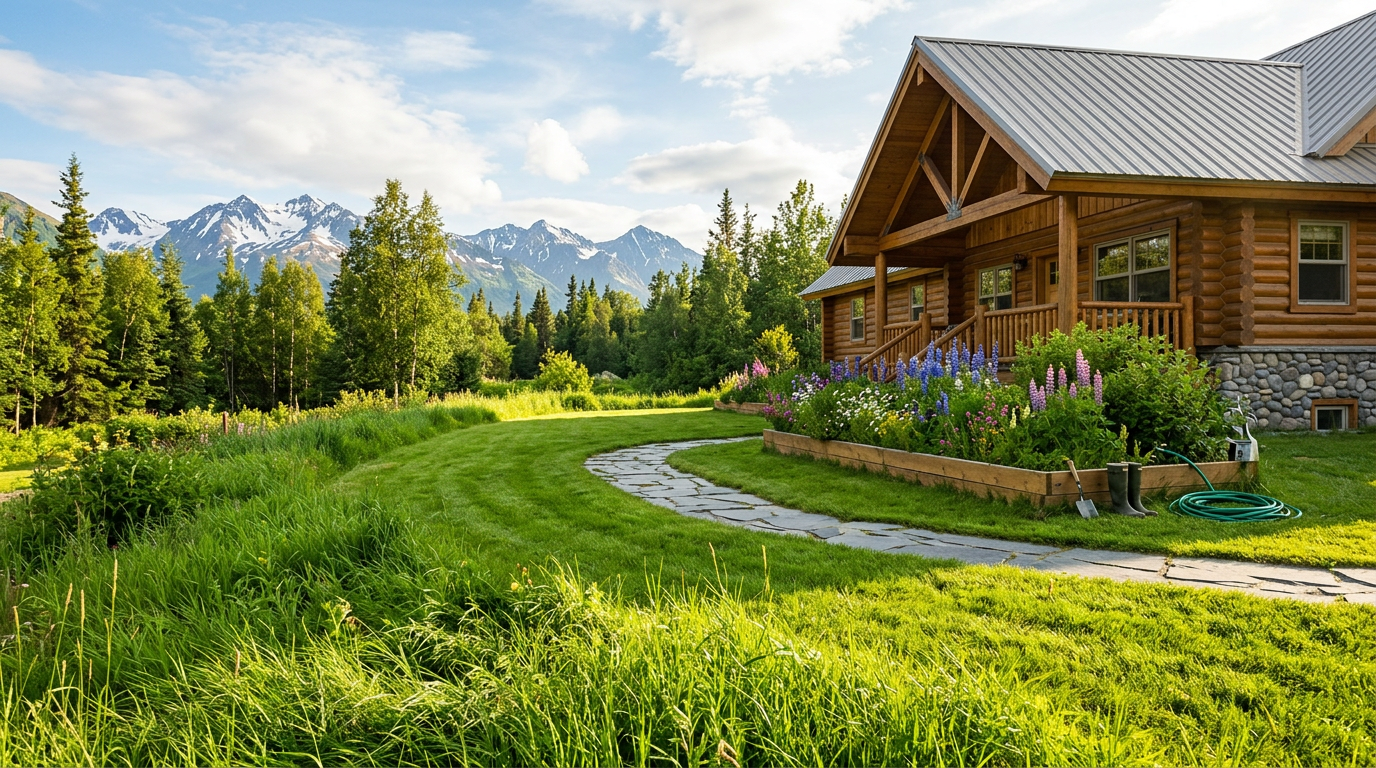
Let's get one thing straight: growing a lush, green lawn in Alaska is a different ballgame. You can't just sprinkle any old seed and expect a miracle. The winters are long and brutal, the growing season is short and intense, and the soil can be a real pain. But we're here to tell you it's not just possible—it's completely achievable. The secret isn't working harder; it's working smarter with the right type of grass.
Forget everything you've read about lawns in the Lower 48. Warm-season grasses like Bermuda or Zoysia will be dead before the first real snowfall. Here in Alaska, the only game in town is cool-season grasses, specifically the toughest, most cold-hardy varieties known to man. We'll walk you through the top contenders and show you how to build a lawn that doesn't just survive, but actually thrives in The Last Frontier.
Understanding Alaska's Unique Lawn Challenges
Before you buy a single seed, you need to respect the environment you're working with. A lawn in Anchorage faces different pressures than one in Fairbanks or Juneau. Alaska isn't a monolith, but there are a few common hurdles you'll need to clear.
- Extreme Cold: This is the big one. Winter temperatures can plummet to -40°F or colder, which will kill weaker grass varieties right down to the root. This phenomenon, called winterkill, is the number one enemy of an Alaskan lawn.
- Short Growing Season: While summer brings the glorious midnight sun, the actual window for growth is short—often just 90 to 120 days. Your grass needs to germinate, establish, and store energy for winter in a fraction of the time a lawn in Ohio gets.
- Acidic & Poor Soil: Much of Alaska's soil is naturally acidic, thanks to decomposing coniferous needles and other native vegetation. Grasses prefer a neutral pH. Many areas also have rocky, low-nutrient soil that needs significant amendment.
- Variable Light: Long summer days provide plenty of sun, but you also have to account for shade from buildings and the dense spruce and birch forests. A good lawn needs a mix that can handle both full sun and partial shade.
We've seen too many folks up in the Mat-Su Valley throw down cheap seed from a big box store and wonder why it's a patchy, yellow mess by October. A successful lawn starts with choosing seed that addresses these Alaskan realities head-on.
The Top 4 Grass Types for an Alaskan Lawn
You won't find one single "best" grass. The undisputed champion for Alaska is a high-quality blend of a few key players. Each one brings something different to the team. Here are the core species you should look for in a mix.
1. Kentucky Bluegrass (Poa pratensis)
Don't let the name fool you; this is the undisputed king of northern lawns. KBG has excellent cold hardiness and, once established, is incredibly resilient. Its best feature is its ability to spread via underground stems called rhizomes. This allows it to self-repair bare patches, creating a dense, thick turf that can crowd out weeds like dandelions.
- Pros: Excellent cold tolerance, self-repairing, beautiful dark green color, dense growth.
- Cons: Very slow to germinate and establish. Requires more sun than fescues.
2. Creeping Red Fescue (Festuca rubra)
This is the workhorse for shady and low-maintenance areas. If your yard has mature birch or spruce trees, you need fescue in your blend. It has fantastic cold tolerance and is more drought-tolerant than KBG, making it great for areas you can't easily water. It's a bunch-type grass but will spread slowly via short rhizomes.
- Pros: Best shade tolerance of the cold-season grasses, low fertilizer needs, good cold and drought tolerance.
- Cons: Can become clumpy if not mowed regularly, less wear-resistant than KBG.
3. Perennial Ryegrass (Lolium perenne)
Think of Perennial Ryegrass as the sprinter on the team. It germinates in as little as 5-7 days, providing a quick green cover that protects the soil from erosion and shades out weed seeds while the slower KBG gets going. Modern varieties have improved cold tolerance, but it's still not as hardy as KBG or fescue. For this reason, it should only be a small percentage of an Alaskan seed mix (typically 10-20%).
- Pros: Extremely fast germination, good wear resistance.
- Cons: Least cold-hardy of the bunch, can't self-repair.
4. Hard Fescue (Festuca trachyphylla)
A cousin of Creeping Red Fescue, Hard Fescue is another fantastic low-maintenance choice. It has some of the best cold tolerance of all turfgrasses and requires very little water or fertilizer once established. It's slower growing and has a slightly finer, wispy texture. It's an excellent addition to any mix, especially for areas that are difficult to maintain.
- Pros: Superior cold and drought tolerance, very low maintenance, good shade tolerance.
- Cons: Slow to establish, does not self-repair.
Why a Grass Seed Blend is Your Best Bet in Alaska
So, why not just plant 100% Kentucky Bluegrass? Because a blend is a form of insurance. A lawn with genetic diversity is far more resilient. The Perennial Ryegrass pops up quickly, stabilizing the soil. The Creeping Red Fescue thrives in the shade under your eaves and trees. The Kentucky Bluegrass fills in the sunny center of the yard and repairs any damage from foot traffic.
This strategy creates a dynamic lawn that can handle whatever Alaska throws at it. A cold snap might damage one species, but the others will survive and fill in. It's the key to avoiding a total lawn reset every few years.
You can find pre-made northern blends designed for this purpose. A great local example is the Alaska Lawn Mix from Alaska Mill & Feed in Anchorage. It typically contains a mix of Nugget Kentucky Bluegrass (a variety developed right at the Alaska Plant Materials Center!), Boreal Red Fescue, and a touch of ryegrass. A 3 lb bag costs about $21.99, which works out to around $7.33 per pound—a fair price for high-performance, regionally appropriate seed.
According to the University of Alaska Fairbanks Cooperative Extension Service, many Alaskan soils are naturally acidic, with a pH often falling between 4.0 and 6.0, whereas turfgrasses prefer a pH between 6.0 and 7.0. This means most new lawns will require an application of lime, sometimes up to 75-100 pounds per 1,000 square feet, to create a suitable growing environment. Always conduct a soil test before making big amendments. (Source: uaf.edu/ces)
How to Plant Your New Lawn in Alaska
Timing and preparation are everything. Get this part right, and you're 90% of the way there.
-
Time it Right: The best time to seed a lawn in Alaska is from late May to early July. You need to wait until all danger of frost has passed and your soil temperature is consistently 50-55°F. Seeding during this window takes full advantage of the long daylight hours, which can spur germination and establishment.
-
Prepare the Soil: This is not a step you can skip. Start by removing all weeds, rocks, and debris. Till the soil to a depth of 4-6 inches. Now, amend it. Based on a soil test (contact your local UAF Cooperative Extension office for a kit), add lime to raise the pH and spread 2-3 inches of high-quality compost or peat moss over the entire area and till it in. This improves drainage, adds nutrients, and helps retain moisture.
-
Spread the Seed: Once your soil is graded and raked smooth, it's time to seed. For an even application, use a broadcast or drop spreader. Divide your seed in half and apply it in two passes, one perpendicular to the other, to ensure total coverage. Follow the application rates on the seed bag, usually around 3-5 lbs per 1,000 sq. ft. for new lawns. If you're filling in an existing lawn, check out our guide on how to overseed a lawn.
-
Ensure Seed-to-Soil Contact: Gently rake the seed into the top 1/4 inch of soil. Then, use a lawn roller (you can rent one) to press the seed down firmly. Good contact with the soil is critical for germination.
-
Water, Water, Water: The initial watering phase is the most critical. The goal is to keep the top inch of soil consistently moist, but not waterlogged. This might mean watering lightly 2-3 times a day for the first couple of weeks. Find the ideal time in our guide on the best time to water grass.
Maintaining Your Alaskan Lawn
Once your grass is up and growing, the work shifts to maintenance. Be patient; a truly thick, established lawn can take 2-3 seasons to mature in Alaska.
- Mowing: Let the new grass grow to about 4 inches before its first mow. Then, follow the one-third rule: never cut more than one-third of the grass blade's height at a time. This means you might need to adjust how often you mow your lawn based on how fast it's growing in the 24-hour sun. Mowing high (3 inches) encourages deep roots and shades out weeds.
- Fertilizing: Fertilize your new lawn about 4-6 weeks after germination. For established lawns, the most important feeding of the year is in the fall (late August/early September). Use a "winterizer" fertilizer with low nitrogen and high potassium to help the roots store energy for the long winter ahead.
- Dethatching: If your lawn feels spongy, it might have too much thatch (a layer of dead organic matter). This can prevent water and nutrients from reaching the soil. A light raking in the spring can help, but for heavy buildup, you may need to dethatch the lawn every few years.
Frequently asked
What is the best low-maintenance grass for Alaska?+
For a truly low-maintenance lawn in Alaska, a blend heavy in Creeping Red Fescue and Hard Fescue is your best bet. These grasses have excellent cold tolerance, require less water and fertilizer than Kentucky Bluegrass, and perform well in both sun and partial shade.
Can Zoysia or Bermuda grass grow in Alaska?+
No, absolutely not. Zoysia and Bermuda are warm-season grasses that thrive in hot climates. They have zero tolerance for the extreme cold and prolonged freezing temperatures of an Alaskan winter and will not survive past the first hard frost.
When should I plant grass seed in Alaska?+
The ideal window for planting grass seed in Alaska is from late spring to early summer, generally between late May and early July. You must wait until the soil temperature is consistently above 50°F. This timing leverages the long daylight hours for rapid germination.
How do I fix moss in my Alaskan lawn?+
Moss is a symptom of an underlying problem, usually acidic soil, heavy shade, or compacted soil. Raking it out is a temporary fix. To solve it for good, test and amend your soil with lime, aerate to reduce compaction, and overseed with a shade-tolerant fescue blend.
What's the best grass seed mix for Anchorage?+
A blend of about 50% Kentucky Bluegrass, 40% Creeping Red Fescue, and 10% Perennial Ryegrass is excellent for Anchorage. This mix provides density from the KBG, shade tolerance from the fescue for areas near buildings and trees, and quick cover from the ryegrass.