
Best Grass for Alaska: 4 Tough Types for the North
Don't let the long winters and short summers stop you. We'll show you the exact grass seed blends and techniques that create a thriving lawn in The Last Frontier.
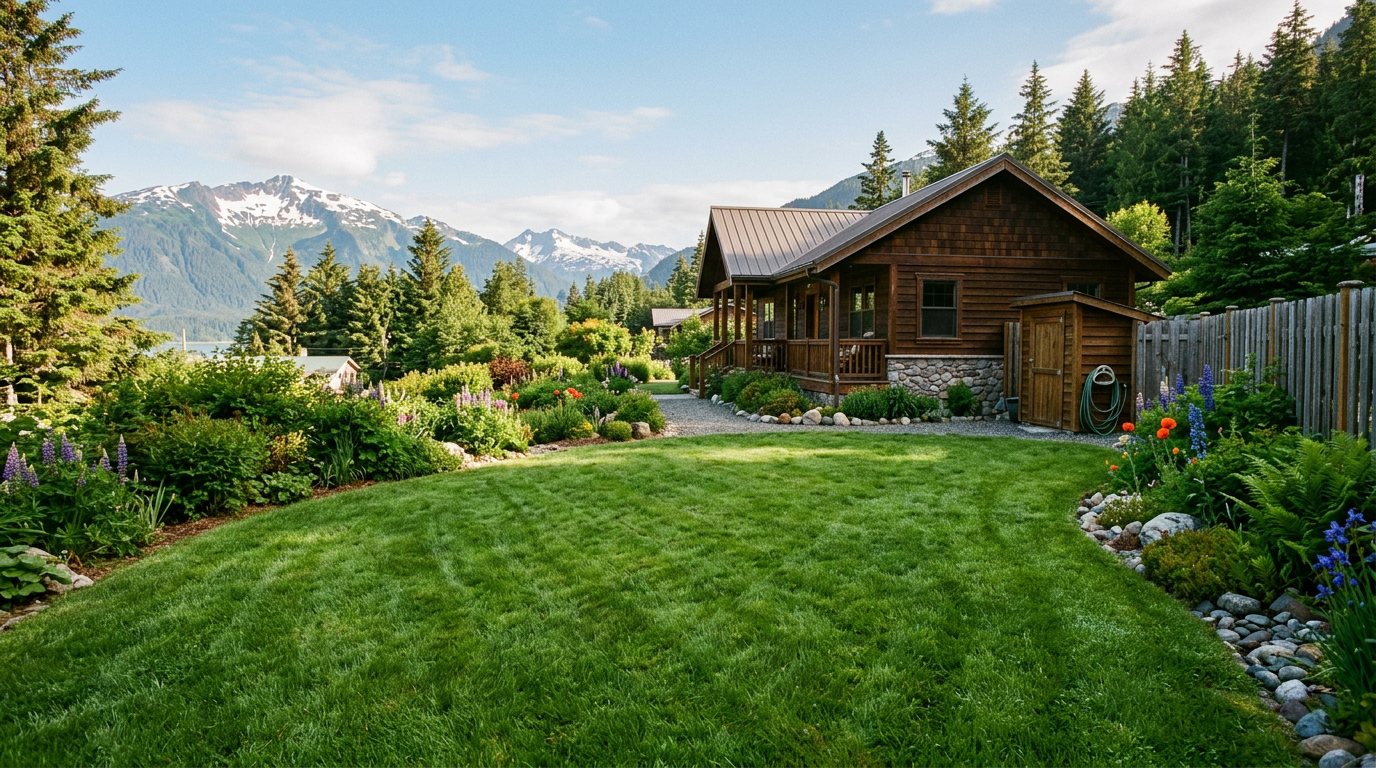
Let's get one thing straight: growing a lush, green lawn in Alaska is a completely different ballgame. You're not in Kansas, and you're definitely not in Florida. We're talking long, dark, frigid winters, a ridiculously short growing season, and soil that can be, to put it mildly, difficult. But is it impossible? Absolutely not. You just can't grab any old bag of seed from the big box store and expect miracles. You need the right seed, the right timing, and a no-nonsense plan.
We’ve seen too many Alaskan homeowners waste time and money fighting a losing battle with the wrong grass. The key isn't to fight the environment, but to work with it. That means choosing grass types that are born for the cold. This guide will show you exactly which grasses make up the best grass for Alaska, why they work, and how to get them established for a lawn that’s the envy of the neighborhood, from Anchorage to Fairbanks.
Understanding Alaska's Unique Lawn Challenges
Before we even talk about seed, you have to respect the opponent: the Alaskan climate. It’s the final boss of lawn care. Here’s what you’re up against:
- Extreme Cold: Winter temperatures can plummet to -50°F or colder in the Interior. The ground freezes solid. Only the toughest perennial grasses can have their roots frozen for months and come back to life.
- Short Growing Season: Most of Alaska has a frost-free season of just 90 to 120 days. This is a tiny window to germinate seed, establish roots, and build up energy reserves for the next winter. You have to be efficient.
- Wildly Variable Daylight: The famed "midnight sun" in summer means your grass is photosynthesizing for 18+ hours a day. This can be great for growth but also stressful. In contrast, the low sun angle in spring and fall, plus long winters, means you need grass that performs well in low-light conditions.
- Acidic Soil: Much of Alaska's soil is naturally acidic (low pH) due to decomposing evergreen needles and high rainfall in coastal areas. Most grasses prefer a neutral pH, so soil amendment isn't optional—it's mandatory.
These challenges mean that warm-season grasses like St. Augustine, Bermuda, or Zoysia are an absolute non-starter. They will die, guaranteed. You must use cool-season grasses.
The Best Grass Types for an Alaskan Lawn
You won't find a single 'best' grass. The undisputed champion for Alaska is a blend of several cool-season varieties. Each type brings something different to the party, creating a resilient turf that can handle the state's diverse challenges. Think of it as a multi-tool for your yard.
1. Kentucky Bluegrass (KBG)
Don't let the name fool you; this is a top contender for the north. It’s known for its beautiful dark green color, excellent cold hardiness, and its ability to spread and self-repair via underground stems called rhizomes. This makes it great for filling in minor bare spots. The downside? It's slow to establish. Patience is key.
Alaska Pro-Tip: Look for 'Nugget' Kentucky Bluegrass. This specific cultivar was developed at the Alaska Agricultural Experiment Station in Palmer and is exceptionally winter-hardy.
2. Fine Fescues (Especially Creeping Red Fescue)
Fine fescues are the unsung heroes of Alaskan lawns. They have the best shade tolerance of any cool-season grass, which is crucial for areas shaded by buildings or trees, especially with the low sun angle. They are also incredibly cold-tolerant and require less water and fertilizer than KBG. Creeping Red Fescue is the star of this group, valued for its fine texture and ability to thrive in poor, acidic soils. If you need the best grass seed for shade, a high fescue content is what you're looking for.
3. Perennial Ryegrass
Think of Perennial Ryegrass as the sprinter on the team. It germinates and establishes faster than any other cool-season grass, providing quick green-up and erosion control. It also has great wear tolerance. However, it's the least cold-hardy of the main three, so it should never be seeded alone in Alaska. It’s always used as a smaller percentage in a blend (typically 15-25%) to provide a "nurse crop" that protects the slower-growing KBG and fescues.
Our Top Recommended Seed Blends for Alaska
Okay, enough theory. Let's talk products. You can buy these components and mix them yourself, but it's far easier to buy a high-quality blend designed specifically for northern climates. We've had great results with mixes from local Alaskan suppliers who know the deal.
-
For All-Purpose Sun & Shade: The Alaska Mill & Feed All Purpose Lawn Seed Mix is a fantastic go-to. It typically contains a balanced blend of Kentucky Bluegrass, Creeping Red Fescue, and Perennial Ryegrass. It gives you the color and durability of KBG, the shade tolerance and low-maintenance of fescue, and the fast start of ryegrass. A 5-lb bag, which covers about 1,000 sq. ft. for new lawns, will run you about $40-$50.
-
For Tougher, Shadier Areas: Look for a blend with a higher percentage of fescues. The Denali Seed Company Sun & Shade Mix is another excellent choice. It leans heavily on Creeping Red Fescue and Chewings Fescue, making it perfect for yards with mature birch and spruce trees or areas that get less direct sun. Expect to pay a similar price, around $45 for a 5-lb bag.
Don't cheap out on seed. The extra $10 you spend on a quality, regionally-appropriate blend will save you hundreds in frustration and re-seeding costs down the road.
Seeding and Lawn Care Calendar for Alaska
Timing is everything when you only have a few months to work with. Here's how to plant and maintain your lawn in the Last Frontier.
Planting Your New Lawn (Late May - Early July)
This is your window. The soil needs to be thawed and consistently above 50°F for germination. According to the University of Alaska Fairbanks Cooperative Extension, many parts of interior Alaska have a frost-free growing season of only 100-120 days, so you can't waste a single one. (Source: https://www.uaf.edu/ces/garden/seed-starting/index.php)
- Test Your Soil: Before you do anything, get a soil test from the UAF Cooperative Extension Service. It costs about $25 and will tell you your soil's pH and nutrient levels. Most likely, you'll need to add lime to raise the pH and a starter fertilizer.
- Prepare the Ground: Rake the area clear of all debris. Loosen the top 2-3 inches of soil. Add the amendments recommended by your soil test (lime, compost, starter fertilizer) and rake them in evenly.
- Seed and Water: Spread the seed according to the bag's instructions. Rake it in lightly so it's just covered by about 1/4 inch of soil. Water gently but thoroughly. The key is to keep the top layer of soil consistently moist—not soggy—until the grass is established. You'll likely need to water 2-3 times a day for the first couple of weeks. Curious about how long does grass seed take to grow? In the 24-hour sun, you might see ryegrass sprout in just 5-7 days!
Seasonal Maintenance
-
Spring (May-June): As soon as the snow melts and the ground isn't soggy, lightly rake to fluff up matted grass and remove winter debris. This helps prevent snow mold. If your grass is turning yellow, it could be snow mold or a nutrient deficiency. Fertilize with a balanced N-P-K fertilizer once the grass starts growing actively. Now is also the time to overseed a lawn to fill in any areas damaged by winter.
-
Summer (July-August): Mow high. Set your mower to 2.5-3 inches. Taller grass shades the soil, conserves water, and develops a deeper, more resilient root system. Water deeply but infrequently. One inch of water per week, including rainfall, is a good target. Find the best time to water grass to minimize evaporation—early morning is ideal.
-
Fall (Late August-September): Prepare for winter. Apply a winterizer fertilizer that is low in nitrogen but high in potassium. This helps the grass harden off and store energy for winter survival. Keep mowing until the grass stops growing. Your final mow should be slightly shorter, around 2 inches, to discourage snow mold.
-
Winter (October-April): Relax. And stay off the frozen lawn! Walking on frozen grass can snap the blades and damage the crowns, leading to dead spots in the spring.
Frequently asked
What is the best low-maintenance grass for Alaska?+
The most low-maintenance option for Alaska is a grass blend with a high percentage of Fine Fescues, especially Creeping Red Fescue. This variety is drought-tolerant, requires less fertilizer, and has the best shade tolerance for surviving long winters and growing in less-than-ideal soil.
When should I plant grass seed in Alaska?+
The best time to plant grass seed in Alaska is from late May to early July. This window ensures the soil temperature is consistently above 50°F and allows the grass enough time to establish a strong root system before the first frost arrives in late August or September.
Can I grow Zoysia or Bermuda grass in Alaska?+
No. Zoysia, Bermuda, St. Augustine, and other warm-season grasses cannot survive Alaskan winters. They are not cold-hardy and will die when the ground freezes. You must plant cool-season grasses like Kentucky Bluegrass, Fescues, and Perennial Ryegrass.
How do I deal with snow mold on my Alaskan lawn?+
To combat snow mold, gently rake the affected areas in the spring to break up the matted grass and allow air to circulate. This usually resolves minor cases. To prevent it, avoid excessive fall fertilization with nitrogen and cut your lawn slightly shorter on the final mow of the season.
Is it better to use seed or sod in Alaska?+
Seeding is generally the more practical and cost-effective option for Alaska. While sod provides an instant lawn, it is very expensive to transport and its availability is limited. A quality seed blend specifically chosen for Alaska's climate will result in a hardier, more resilient lawn in the long run.