
Should I Hire a Landscape Designer? A No-BS Guide from Geniuses
Deciding whether to hire a landscape designer can feel overwhelming. We're here to give you the straight scoop on when these pros are a game-changer and when you can go it alone.
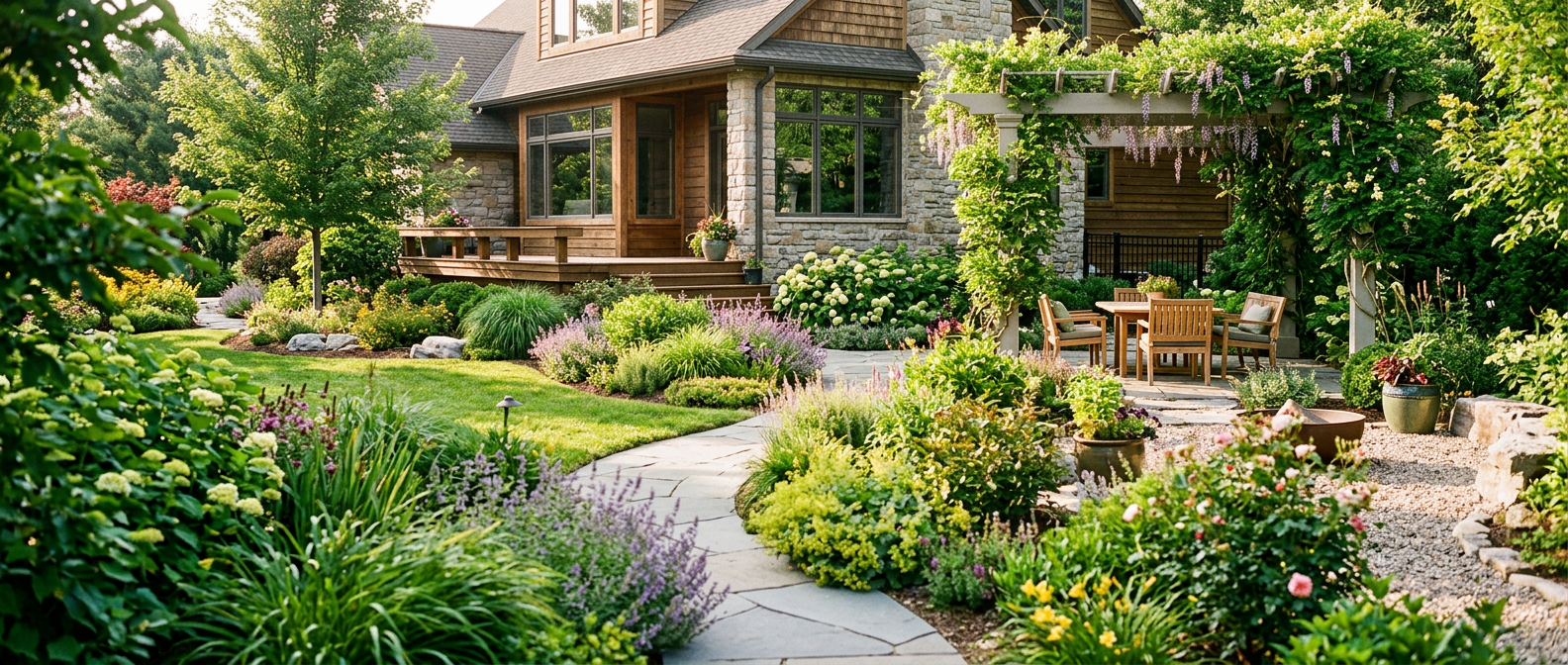
Let's be real. Your yard is more than just grass and a couple of shrubs. It's an extension of your home, your sanctuary, and sometimes, a never-ending to-do list. So, the question isn't just if you need a nice yard, but how you get there. And for many, that brings up the biggie: should I hire a landscape designer?
At Dirt Cheap Genius, we're all about empowering you to make smart decisions without the fluff. We've seen yards transformed by brilliant design and others fall flat because someone tried to wing it. Let's dig into when calling in a pro is a genius move, and when you can probably skip it.
What Exactly Does a Landscape Designer Do, Anyway?
Before you decide to open your wallet, it helps to know what you're actually paying for. A landscape designer isn't just someone who sketches pretty pictures of flowers. They're part artist, part engineer, part botanist, and part project manager.
Here’s a snapshot of what they bring to the table:
- Conceptual Design: They'll take your vague ideas ("I want it to feel... zen?") and turn them into a cohesive vision, often with sketches, mood boards, and 3D renderings.
- Site Analysis: They assess your property's specific conditions – soil type, sun exposure, drainage issues, existing structures, and microclimates. This isn't just about aesthetics; it's about making sure things actually grow and function.
- Plant Selection: No more guessing games at the nursery. They know which plants thrive in your region and specific yard conditions, considering size, color, texture, and maintenance needs. They'll also recommend resilient, often native, plants that save water and look great.
- Hardscaping Elements: Patios, walkways, retaining walls, pergolas, fire pits – they integrate these structural elements seamlessly into the overall design, ensuring proper materials, scale, and placement.
- Drainage and Grading: This is where the engineering hat comes on. Designers plan for proper water flow, preventing issues like standing water or erosion that can wreck your home's foundation or garden beds.
- Material Specification: From pavers to gravel, they'll specify the right materials that fit your aesthetic, budget, and durability requirements.
- Project Management (Optional): Some designers will oversee the installation process, working directly with landscapers to ensure their vision is executed correctly. This is often where the biggest headaches are avoided.
Essentially, they create a detailed plan – think of it as the blueprints for your outdoor living space – that a landscape contractor (the folks who do the digging and building) can follow precisely. For more on the difference between these roles, check out our piece on Landscaper vs Lawn Care Service: What’s the Difference?.
When Hiring a Landscape Designer is a Genius Move
There are definite scenarios where bringing in a design pro is less of a splurge and more of a strategic investment. We're talking big projects, big problems, or big dreams.
- Full Property Overhaul or Large-Scale Projects: If you’re redoing your entire front and back yard, adding multiple zones (e.g., outdoor kitchen, fire pit, play area, extensive planting beds), or tackling a new build, a designer is invaluable. They ensure cohesion and flow across the entire property.
- Complex Challenges: Got serious drainage issues? Steep slopes? Poor soil? Specific local building codes for water runoff? A designer has the expertise to solve these problems creatively and effectively, potentially saving you a fortune in future repairs.
- Lack of Vision or Time: You know you want something better, but you can't quite picture it, or you simply don't have the hours to research every plant, material, and layout option. A designer provides that vision and does the heavy lifting of planning.
- Increasing Home Value (ROI): A well-designed landscape can significantly boost your property's curb appeal and resale value. In some markets, professional landscaping can deliver a 100-200% return on investment, sometimes adding 15-20% to your home's value (Source: Realtor.com, https://www.realtor.com/advice/sell/does-landscaping-increase-home-value/). This isn't just pretty; it's profitable.
- Specific Aesthetic Goals: If you're aiming for a particular style – a Mediterranean courtyard, a Japanese garden, a modern minimalist space – a designer specializing in that aesthetic can achieve it with authenticity and expertise.
- Saving Money (Yes, Really): It sounds counterintuitive to pay someone to save money, but a good designer optimizes material usage, selects appropriate plants that won't die off quickly, and plans efficiently, preventing costly mistakes or rework. They can also connect you with reputable contractors, saving you from trial-and-error headaches.
When You Can Probably Skip the Designer (and DIY It!)
Not every project needs a professional designer, and we're not going to gatekeep you into thinking it does. For many homeowners, a DIY approach or working directly with a qualified landscaper is perfectly sufficient. We even have resources on How Much Does It Cost to Landscape a Backyard? Real Prices if you're looking to budget this out yourself.
- Small, Specific Projects: If you just want to add a new flower bed, install a small patio, or replace a few shrubs, you likely don't need a full design plan. A local nursery's staff or a good landscape contractor can often guide you.
- Clear Vision & DIY Skills: You know exactly what you want, you've researched the plants and materials, and you're comfortable handling the project management or even the installation yourself. Go for it! Our blog is packed with tips to help you.
- Budget Constraints: Design fees can range from a few hundred dollars for a consultation to several thousand for a full master plan. If your entire landscaping budget is tight, paying for a designer might eat too much into the installation funds. For a general idea of costs, see our article on How Much Do Landscapers Charge per Hour: Price Guide.
- Maintenance Focus: If your primary goal is ongoing maintenance – regular mowing, pruning, fertilization – you need a landscape maintenance company, not a designer. You can find more info on this in our guide to What to Look For in Landscaping Near Me: The Real Deal.
How to Choose a Landscape Designer (Don't Just Pick the First One!)
Alright, so you've decided a designer is the way to go. Smart move. Now, how do you find one that's actually worth their salt?
- Check Credentials & Portfolio: Look for certifications (like ASLA - American Society of Landscape Architects, or APLD - Association of Professional Landscape Designers). Review their portfolio for projects similar to yours in style and scope. Do you like their aesthetic? Do they show creativity and problem-solving?
- Understand Their Process: Ask how they approach a project from start to finish. What are the deliverables (sketches, 3D renderings, planting plans, construction documents)? How many revisions are included?
- Discuss Fees: Landscape designers typically charge in a few ways: an hourly rate (expect $100-$400/hour), a flat fee for the entire project (from $1,000 for a small area up to $10,000+ for a complex master plan), or a percentage of the total project budget (usually 10-15%). Get it in writing.
- Communication Style: This is crucial. You'll be working closely with this person. Do they listen? Do they explain things clearly? Are they responsive? A good rapport makes all the difference.
- References: Always ask for references and call them. Ask past clients about the designer's professionalism, adherence to budget, problem-solving skills, and whether the final design met their expectations. This is similar to the 14 Key Questions to Ask a Landscaper Before Hiring but tailored for designers.
Final Thoughts from the Geniuses
Deciding whether to hire a landscape designer boils down to the complexity of your project, your personal vision, your budget, and your willingness to get your hands dirty. For a simple refresh, a little DIY and elbow grease might be all you need. But for a truly transformative, problem-solving, value-adding outdoor space, a landscape designer is an investment that often pays dividends.
Don't be afraid to schedule a few initial consultations. Many designers offer a free introductory call or a paid, low-cost initial meeting to discuss your needs. Use this time to gauge their personality, expertise, and whether their approach aligns with your goals. After all, your outdoor genius deserves a genius plan to match.
Frequently asked
What is the difference between a landscape designer and a landscape architect?+
Landscape architects typically have a university degree and are licensed to handle larger, more complex projects, often involving public spaces or extensive engineering. Designers usually focus on residential projects and aesthetics, with varied educational backgrounds, though many are highly experienced and certified.
How much does a landscape designer cost?+
Costs vary significantly based on location, experience, and project scope. Hourly rates often range from $100 to $400. Flat fees for a full design plan can be $1,000 to $10,000+, or they might charge a percentage (10-15%) of the total project budget.
Will a landscape designer save me money?+
Often, yes. By creating an efficient, well-thought-out plan, a designer can prevent costly mistakes, optimize material usage, select appropriate plants that thrive, and ensure proper drainage, saving you money on future repairs and replacements.
Do I need a landscape designer for a small project?+
For very small, straightforward projects like adding a single flower bed or a simple path, a designer is usually overkill. You can often get guidance from a local nursery or a landscape contractor directly for these simpler tasks.