
Should You Hire a Landscape Designer? The No-Nonsense Guide
Deciding whether to hire a landscape designer can feel like navigating a maze of options. We're here to clear the path, helping you determine if a pro is right for your project and your wallet.
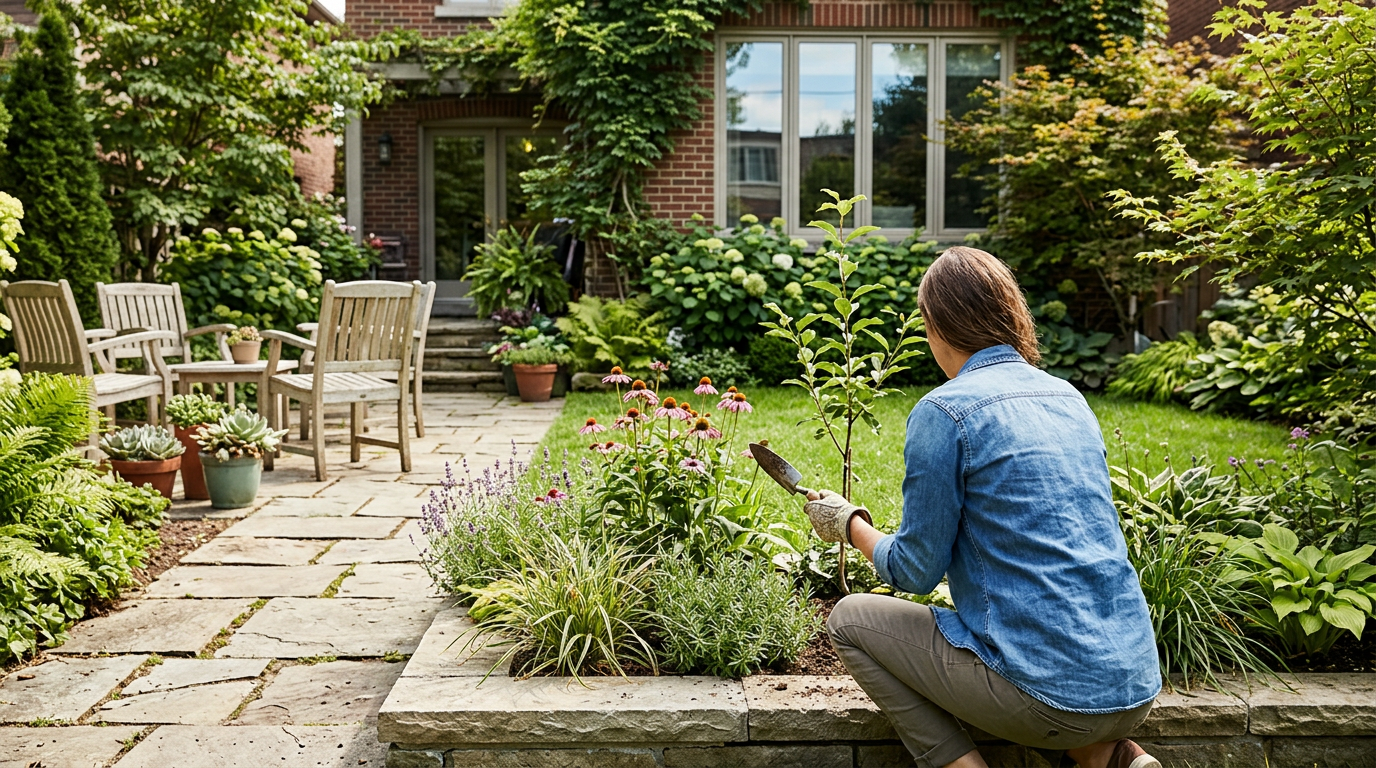
So, you’ve been staring at your yard, maybe even Googled "dream backyard" one too many times, and now the big question looms: Should I hire a landscape designer? It’s a good one, and frankly, a decision that can save you a pile of cash or cost you a fortune if you get it wrong. Here at Dirt Cheap Genius, we’re all about getting maximum impact for minimum hassle, so let’s get down to brass tacks.
First, let’s bust some myths. A landscape designer isn’t just for the ultra-wealthy with sprawling estates. They’re problem-solvers, vision-casters, and often, your best friend when faced with a yard that’s more 'post-apocalyptic' than 'oasis.' But, and this is a big but, not every project needs one. We’re going to help you figure out if your specific situation warrants calling in the big guns, or if you can roll up your sleeves and tackle it yourself.
What Exactly Does a Landscape Designer Do (and Why Should You Care)?
Think of a landscape designer as the architect of your outdoor space. They don't necessarily install the plants or lay the pavers (that's usually a landscaper's job), but they create the blueprint. Their expertise goes way beyond just picking pretty flowers. They consider:
- Site Analysis: Soil type, sun exposure, drainage issues, existing structures, slopes, and microclimates. This is crucial. Planting the wrong tree in the wrong spot isn't just ugly; it's a future headache.
- Functionality: How do you use your yard? Do you need an entertainment space, a quiet reading nook, a play area for kids, or a thriving vegetable garden? They integrate these needs seamlessly.
- Aesthetics & Style: Translating your vague Pinterest board into a cohesive, beautiful design that complements your home's architecture and your personal taste.
- Horticultural Knowledge: Knowing which plants thrive in your climate zone, their mature size, watering needs, and how they interact with each other. This prevents a future jungle or a barren wasteland.
- Hardscaping Integration: Patios, walkways, retaining walls, fire pits, pergolas – they design these elements to be both functional and visually appealing.
- Budget Management: A good designer can help you prioritize and phase projects, making sure you get the most bang for your buck.
- Problem Solving: Got a weirdly shaped yard? A steep slope? Nuisance water runoff? A designer sees challenges as opportunities for innovative solutions.
They're not just drawing pretty pictures; they're crafting an entire outdoor experience. And for the love of all that is green, they help you avoid those terrible mistakes that cost twice as much to fix later.
When It's a Resounding "YES!" To Hiring a Pro
We've seen it all, and there are definite scenarios where bringing in a landscape designer is an absolute no-brainer. If any of these sound like you, pick up the phone:
- You're Overwhelmed & Lack a Cohesive Vision: You know you want something better, but you’re staring at a blank canvas (or worse, a neglected mess) and have no idea where to start. A designer can translate your nebulous desires into a tangible plan.
- Your Project is Complex (or Huge): We're talking master plans for entire properties, significant hardscaping elements (like an outdoor kitchen or a multi-level patio), complex drainage solutions, or addressing major grading issues. These aren't DIY weekend warriors projects. Trying to tackle a major overhaul without a plan is like building a house without blueprints – you'll likely end up with something structurally unsound or aesthetically jarring.
- You Have Specific Challenges: Think steep slopes, poor soil, excessive shade, privacy issues, or a desire for a specialized garden (e.g., xeriscape, native plant garden, permaculture). Designers have the technical know-how to overcome these hurdles.
- You Value Your Time (and Sanity): If your weekends are precious and your brain cells are already fried, outsourcing the design process makes sense. A professional will get it done faster and likely better than you fumbling through design principles.
- You're Making a Significant Investment (and Want ROI): You’re planning to spend serious money on landscaping (say, upwards of $10,000 for a backyard makeover, like we discuss in How Much Does It Cost to Landscape a Backyard? Real Prices). A well-conceived landscape design significantly boosts curb appeal and property value. A poorly planned one? Not so much. According to a study by the National Association of Realtors, a well-landscaped yard can increase a home's value by as much as 15% (Source: National Association of Landscape Professionals, "The Economic Benefits of Landscape" https://www.landscapeprofessionals.org/nalp/NALP/Advocacy/Industry_Facts.aspx). That's not pocket change.
When You Can Probably Skip the Designer (for Now)
Alright, let’s be real. Not everyone needs a full-blown master plan. If your situation falls into one of these categories, you might be able to handle it yourself, or at least opt for a consultation rather than a full design package:
- Simple Aesthetic Upgrades: You just want to refresh your existing garden beds, add some seasonal color, or swap out a few plants. This is usually within the realm of a confident DIYer or a good local nursery staff's advice.
- Small, Contained Projects: Adding a single raised garden bed, planting a small tree, or establishing a simple privacy screen along one fence line. These don't require complex spatial planning.
- You Have a Clear Vision & Experience: If you're a seasoned gardener, have a knack for design, and know exactly what you want and how to achieve it, save your money. Go for it!
- Your Budget is Super Tight: While designers can save you money in the long run by preventing mistakes, their initial fees can be substantial. If you're working with a very limited budget, you might be better off prioritizing core elements and doing the research yourself.
The Nitty-Gritty: What Does a Landscape Designer Cost?
"How much?" is always the first question, and fair enough. The honest answer is: it varies wildly. Like, really wildly. Designers typically charge in a few ways:
- Hourly Rates: Expect anywhere from $75 to $200+ per hour, depending on their experience, location, and the complexity of the work. A detailed design for a quarter-acre yard could easily take 20-40 hours or more.
- Flat Fees Per Project/Area: Some designers will quote a fixed price for specific design packages (e.g., a front yard design, a patio design). This could range from $500 for a basic concept sketch to $10,000+ for a comprehensive master plan for a large property.
- Percentage of Project Cost: Less common for design-only services, but some firms that also offer installation might do this, usually 10-20% of the total installation budget.
For a small-to-medium residential project, a typical design fee might fall between $1,500 and $7,000. Remember, this is just for the design. It doesn't include the cost of plants, materials, or the landscaper's installation fees.
Dirt Cheap Genius Tip: Always get a detailed proposal outlining what the design fee includes (e.g., initial consultation, site analysis, concept sketches, master plan, planting plan, material selections, revisions). Don’t be afraid to ask questions to ask a landscaper before hiring to ensure you're getting what you pay for.
Finding the Right Fit: Your Designer Matchmaker Checklist
So you've decided a designer is for you. Great! Now, how do you find one that won't make you tear your hair out or drain your bank account unnecessarily? It's like dating, but with more plants.
- Define Your Needs & Budget: Before you even start looking, know what you want (or at least what problems you need solved) and what you're realistically prepared to spend on the design itself.
- Check Portfolios & References: This is non-negotiable. Look at their past work. Does their style align with yours? Do they have experience with projects similar to yours? Ask for references and call them. Ask about communication, professionalism, and if the project stayed on budget and schedule.
- Interview Multiple Designers: Don't just go with the first person you meet. Interview at least three. Ask them about their process, how they handle revisions, and what their fees include. We've written a whole post on What to Look For in Landscaping Near Me that applies to designers too.
- Licensing & Insurance: Depending on your state, designers might need specific licenses, especially if they’re doing anything structural. Always ensure they have liability insurance. This protects you if something goes wrong.
- Communication Style: This is huge. You’ll be working closely with this person. Do they listen? Do they explain things clearly? Do you feel comfortable with them? A good working relationship is key.
- Trust Your Gut: If something feels off, it probably is. You're investing time and money; make sure you feel confident in your choice.
We often hear stories of homeowners who tried to DIY complex projects, only to end up with a hodgepodge that needed a complete redo. Or they hired a designer who just imposed their vision instead of listening. Avoid these pitfalls by doing your homework.
What to Expect During the Design Process
Once you’ve hired your designer, the journey usually unfolds something like this:
- Initial Consultation: They’ll visit your property, discuss your goals, budget, lifestyle, and take measurements. This is where you lay out all your hopes and dreams (and frustrations).
- Site Analysis & Research: They’ll dig deeper into your property’s specifics, perhaps even doing soil tests or detailed sun mapping.
- Concept Development: The designer will present preliminary ideas, often as sketches or mood boards. This is your chance to provide feedback and refine the vision.
- Master Plan & Detailed Drawings: Once a concept is approved, they’ll create the final master plan, including specific plant choices (with Latin names, because they’re fancy like that), material specifications for hardscaping, and sometimes even lighting plans.
- Construction Documents: For more complex projects, these might include technical drawings for contractors, showing grading, drainage, and utility locations.
- Contractor Selection (Optional): Some designers will help you vet and select a qualified landscaper or contractor to install the design, or even manage the project through completion. This can be invaluable.
This process is collaborative. Your input is vital at each stage. Don’t be a silent partner; speak up if something isn't quite right.
The Final Word: Is It Worth It?
For many projects, especially those with significant scope, complex challenges, or high aesthetic demands, hiring a landscape designer is absolutely worth the investment. They bring expertise, creativity, and problem-solving skills that most homeowners simply don't possess. They can help you avoid costly mistakes, create a truly stunning and functional outdoor space, and ultimately, increase your property's value and your enjoyment of your home.
However, if your needs are simple, your vision is clear, and your budget is tight, a designer might be overkill. For those cases, armed with a little research and elbow grease, you can create a beautiful outdoor space yourself.
Ultimately, the decision to hire a landscape designer comes down to your project’s complexity, your budget, and your comfort level with design and planning. We hope this guide has given you the clarity you need to make the right choice for your yard. Now go forth and create something beautiful!
Frequently asked
What is the difference between a landscape designer and a landscaper?+
A landscape designer creates the plans and blueprints for your outdoor space, focusing on aesthetics, functionality, and plant selection. A landscaper is the professional who then implements that design, installing plants, hardscaping, irrigation, and performing ongoing maintenance.
How much does a basic landscape design cost?+
A basic landscape design, such as a concept sketch or plan for a small area, can start from $500 to $1,500. A more comprehensive plan for an average-sized residential property typically ranges from $1,500 to $7,000, depending on complexity and location.
Can a landscape designer save me money?+
Yes, absolutely. A good landscape designer can save you money by preventing costly mistakes in plant selection or drainage, optimizing material usage, and creating a cohesive plan that avoids expensive reworks later on. Their expertise can also increase your property value.
Do I need a landscape designer for a small garden project?+
For very small, simple garden projects like refreshing a single flower bed or adding a few shrubs, you likely don't need a full landscape designer. You might find sufficient guidance from local nursery experts or online resources.