
Should I Hire a Landscape Designer? Your Honest, No-BS Guide
Deciding whether to hire a landscape designer can feel overwhelming. We're here to give you the straight facts, no fancy jargon, so you can make the best choice for your outdoor space and your wallet.
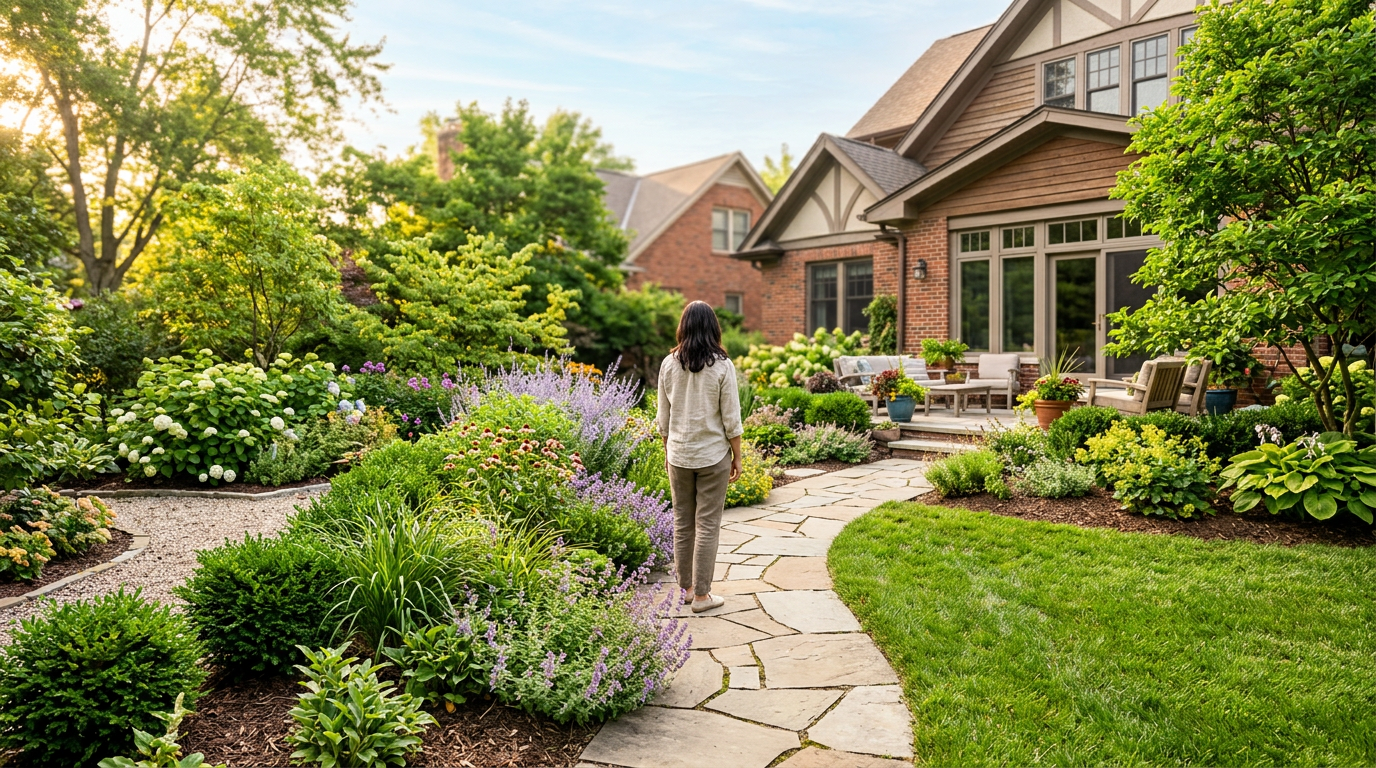
Alright, let's talk brass tacks about landscape designers. You've got an outdoor space, maybe it's a blank slate, maybe it's a disaster zone, and you're wondering: do I really need to bring in a fancy-pants designer? Or can I just, you know, wing it with some Pinterest boards and a trip to the local nursery? We're Dirt Cheap Genius, and we're here to give you the honest, anti-gatekeeping truth. No fluff, just facts.
What Exactly Is a Landscape Designer (and How Are They Different)?
First, let's clarify. A landscape designer isn't necessarily a landscape architect. While both deal with outdoor spaces, a landscape architect usually holds a university degree, is licensed, and often works on larger, more complex projects involving zoning, grading, and public spaces (think parks, commercial developments, or intricate residential estates). They have a deeper understanding of engineering principles and ecological systems.
A landscape designer, on the other hand, might have formal education (a certificate, associate's, or bachelor's in horticulture or design), extensive practical experience, or even be largely self-taught with a keen eye for aesthetics and plant knowledge. They focus primarily on the aesthetic and functional layout of residential or smaller commercial gardens. They're the ones who'll help you pick the right plants, design your patio, layout your walkways, and create that perfect backyard oasis.
Then there's the landscaper (or landscape contractor). These are the folks who do the physical work. They implement the design – dig the holes, lay the pavers, install the irrigation, plant the trees. Often, a full-service landscaping company might have designers on staff, or they might work from plans provided by an independent designer.
So, when we talk about "hiring a landscape designer," we're generally talking about someone who creates the vision and the plan, not necessarily the person who gets their hands dirty installing it. And for what it's worth, don't confuse any of them with your regular lawn care service. For a full breakdown, check out Landscaper vs Lawn Care Service: What’s the Difference?.
When Should You Hire a Landscape Designer? The Unvarnished Truth
Look, we're all about empowering you to do things yourself when it makes sense. But there are definite scenarios where bringing in a pro designer isn't just a luxury – it's a smart investment. Here's when we lean towards saying, "Yeah, you probably should."
- You're Starting from Scratch (or a Total Wreck): Got a brand new build with nothing but dirt? Or an old yard that's a hodgepodge of dying plants and crumbling concrete? A designer can create a cohesive, long-term master plan that prevents you from just throwing money at random projects.
- Your Project is Complex or Large-Scale: We're talking multiple zones (entertaining, play, edible garden, fire pit), significant elevation changes, drainage issues, or the need for intricate hardscaping (retaining walls, extensive patios). Trying to DIY a complex project often leads to costly rework and a less-than-stellar outcome.
- You Have a Significant Budget (and Want to Protect It): If you're planning to spend $20,000, $50,000, or even $100,000+ on your landscape, a designer's fee is a small percentage of that. Their expertise ensures that every dollar is spent wisely, avoiding expensive mistakes like choosing the wrong materials or plants that won't thrive. Think of it as an insurance policy for your investment. For a ballpark on costs, see How Much Does It Cost to Landscape a Backyard? Real Prices.
- You Lack the Time, Vision, or Expertise: Be honest with yourself. Do you have a clear idea of what you want? Do you know which plants will survive your local climate (USDA Zone, soil type, sun exposure)? Do you have hours to research materials and contractors? If not, a designer fills those gaps.
- You're Selling Soon (and Want to Boost Curb Appeal): A well-designed landscape can significantly increase your property's value and appeal. A designer knows how to maximize that 'wow' factor without overspending on features that won't give a good ROI.
- You're Dealing with Challenging Site Conditions: Shady spots, heavy clay soil, poor drainage, or a steep slope. These aren't just minor annoyances; they require specific design solutions and plant choices that a professional can expertly navigate.
When You Might Not Need a Designer (Save Your Money!)
Conversely, here's when we'd say, "Hold up! You probably don't need to shell out for a designer just yet."
- Your Project is Small and Simple: You just need a few new shrubs, a small flower bed, or a simple paver path. This is a perfect DIY opportunity or a task for a skilled landscaper without a full design plan.
- You Have a Clear Vision and are Confident in Your DIY Skills: If you've got a strong aesthetic, you're good at planning, and you're willing to put in the sweat equity, go for it! There are tons of resources (including this blog!) to help you along.
- Your Budget is Minimal: If you're working with a few hundred or even a couple thousand dollars, a full design package might eat up too much of your budget. Focus on basic improvements, plant selection, and simple hardscaping.
- You Only Need a Few Specific Plants Identified: Your local nursery staff or a quick online search can often solve this for free or very low cost.
What Does a Landscape Designer Actually Do For You?
It's not just about drawing pretty pictures. A good landscape designer brings a lot to the table:
- Site Analysis: They'll assess your property's unique characteristics – sun/shade patterns, soil type, existing vegetation, drainage, views (good and bad!), and architectural style of your home.
- Client Consultation: They listen to your needs, desires, lifestyle, and budget. Do you have kids? Pets? Do you entertain? Do you want low-maintenance? Edibles? Modern or rustic?
- Conceptual Design & Master Plan: This is where the magic happens. They'll create scaled drawings showing proposed layouts for patios, walkways, planting beds, water features, lighting, and more. This might involve preliminary sketches and revisions based on your feedback.
- Plant Selection: They choose plants appropriate for your climate, soil, sun exposure, and aesthetic preferences. They consider mature size, bloom times, and year-round interest.
- Material Selection: Guidance on everything from pavers and gravel to deck materials, fencing, and outdoor furniture finishes.
- Construction Drawings & Specifications: For more complex projects, they provide detailed plans that contractors can bid on and build from, ensuring accuracy and quality.
- Project Oversight (Optional): Some designers offer project management services, helping you select a contractor, overseeing installation, and ensuring the design is implemented correctly.
- Problem Solving: They can troubleshoot issues like poor drainage, privacy concerns, or creating usable space on challenging terrain.
We know a guy who recently had a designer tackle a tricky, sloped backyard in Austin, Texas. The designer specified a tiered retaining wall system, native plant palette to reduce water use, and integrated a rainwater harvesting system. The initial design fee was $4,500 for the full plan, including detailed construction drawings for the hardscaping. The homeowner, previously overwhelmed by the slope, found the structure and vision invaluable. Without it, he admits he would have wasted money on mismatched plants and a patio that didn't drain properly.
How Much Does a Landscape Designer Cost? (The Numbers You Need)
This is the million-dollar question, right? Or, you know, the several-thousand-dollar question. The cost varies wildly based on their experience, your location, the scope of work, and the level of detail required. Here's a rough breakdown:
- Initial Consultation (Hourly or Flat Fee): Many designers offer a consultation for $150 – $500. This might include a site visit, discussion of your goals, and some general advice. It's a great way to test the waters without committing to a full design.
- Basic Planting Plan: For a smaller area or specific bed, you might pay $500 – $2,500. This includes plant selection and placement, often without extensive hardscaping details.
- Conceptual Master Plan (Sketch Level): This gives you the overall layout and feel without fine details. Expect $1,000 – $5,000, depending on yard size and complexity.
- Full Design Package (Detailed Plans): This is where you get scaled drawings, specific material call-outs, plant lists, and sometimes even 3D renderings. This can range from $3,000 for a small, straightforward yard to $10,000 – $15,000+ for large, complex estates. Some designers charge a flat fee, others an hourly rate ($75 – $200+ per hour), or a percentage of the total project budget (typically 10-20%). (Source: HomeAdvisor 2024 Landscaping Design Cost Guide)
Remember, these are design fees. They don't include the cost of installation, materials, or plants. We discuss those details in posts like How Much Do Landscapers Charge per Hour: Price Guide and state-specific guides like Landscaper Cost California: Real 2026 Prices & Tips.
How to Find a Good Landscape Designer (and Not Get Ripped Off)
Alright, so you've decided a designer is the way to go. Smart move. Now, how do you find one who isn't going to fleece you or deliver a design that looks like it was drawn by a five-year-old? Here's our wisdom:
- Ask for Referrals: Your neighbors with killer yards, friends, or even local nurseries can be great sources. Word-of-mouth is gold.
- Check Portfolios: Always, always, always look at their past work. Do their designs align with your aesthetic? Do they have experience with projects similar to yours (e.g., small urban yards, large acreage, xeriscaping)?
- Interview Several Candidates: Don't just go with the first one. Chat with at least three. Ask about their process, their fees, and their philosophy. Gauge their communication style. Do they listen to you, or do they just talk at you? We've got a whole list of 14 Key Questions to Ask a Landscaper Before Hiring that applies well here too.
- Get a Detailed Proposal in Writing: This should clearly outline the scope of work, deliverables (what you're getting, e.g., concept sketches, master plan, planting plan), timeline, and payment schedule. Avoid vague agreements.
- Understand the Deliverables: What exactly will you receive? Is it a hand sketch? A CAD drawing? A 3D rendering? A specific plant list with quantities? Make sure it's comprehensive enough for a contractor to bid on and build from.
- Verify Credentials (If Applicable): For landscape architects, check their license. For designers, ask about certifications (like APLD – Association of Professional Landscape Designers) or educational background. Experience often trumps formal degrees for residential designers, but it's good to know.
The Dirt Cheap Genius Verdict: Is It Worth It?
Here at Dirt Cheap Genius, we believe in smart spending. For many homeowners, especially those undertaking significant outdoor transformations, hiring a landscape designer is absolutely worth the investment. They can:
- Save you money in the long run by preventing costly mistakes, optimizing material use, and choosing appropriate plants.
- Increase your property value with a cohesive, attractive, and functional design.
- Save you time and stress by handling the planning, research, and technical details.
- Create a beautiful, functional outdoor space tailored to your lifestyle that you'll love for years to come.
If you're still on the fence, consider starting with an initial consultation. For a few hundred bucks, you can get professional input, clarify your vision, and decide if a full design package is the right next step for your genius outdoor project.
Ultimately, the decision to hire a landscape designer depends on your project's complexity, your budget, and your comfort level with DIY. Don't let anyone tell you it's a must-have for every single shrub. But for those bigger visions? It just might be the smartest move you make for your yard. Happy designing!
Frequently asked
What is the difference between a landscape designer and a landscaper?+
A landscape designer creates the visual and functional plan for your outdoor space, including plant selection and layouts. A landscaper (or landscape contractor) is the one who physically implements that design, performing tasks like planting, hardscaping, and irrigation installation.
How much does a landscape designer cost?+
Costs vary significantly. An initial consultation might be $150-$500. A basic planting plan could range from $500-$2,500. A full design package for a complex yard typically falls between $3,000-$15,000+, depending on project scope and designer experience.
Can a landscape designer save me money?+
Yes, a good landscape designer can save you money in the long run. They help avoid costly mistakes like improper plant choices, poor drainage solutions, or inefficient layouts, ensuring your investment is well-spent and adds lasting value to your home.
Do I need a landscape designer for a small project?+
Probably not. For small, simple projects like adding a few shrubs, a small flower bed, or a simple path, you can likely handle it yourself or work directly with a landscaper without a full design plan. Save the designer for more complex transformations.
What should I ask a landscape designer before hiring them?+
Key questions include: their process, fees, past project portfolio, communication style, references, and what deliverables you'll receive (e.g., drawings, plant lists). Ensure their experience matches your project's needs and your aesthetic preferences.