
How Much Does It Cost to Landscape a Backyard in 2026?
Backyard landscaping costs by tier, line-item prices, and how to get apples-to-apples bids. No fluff—just real numbers and what moves them.
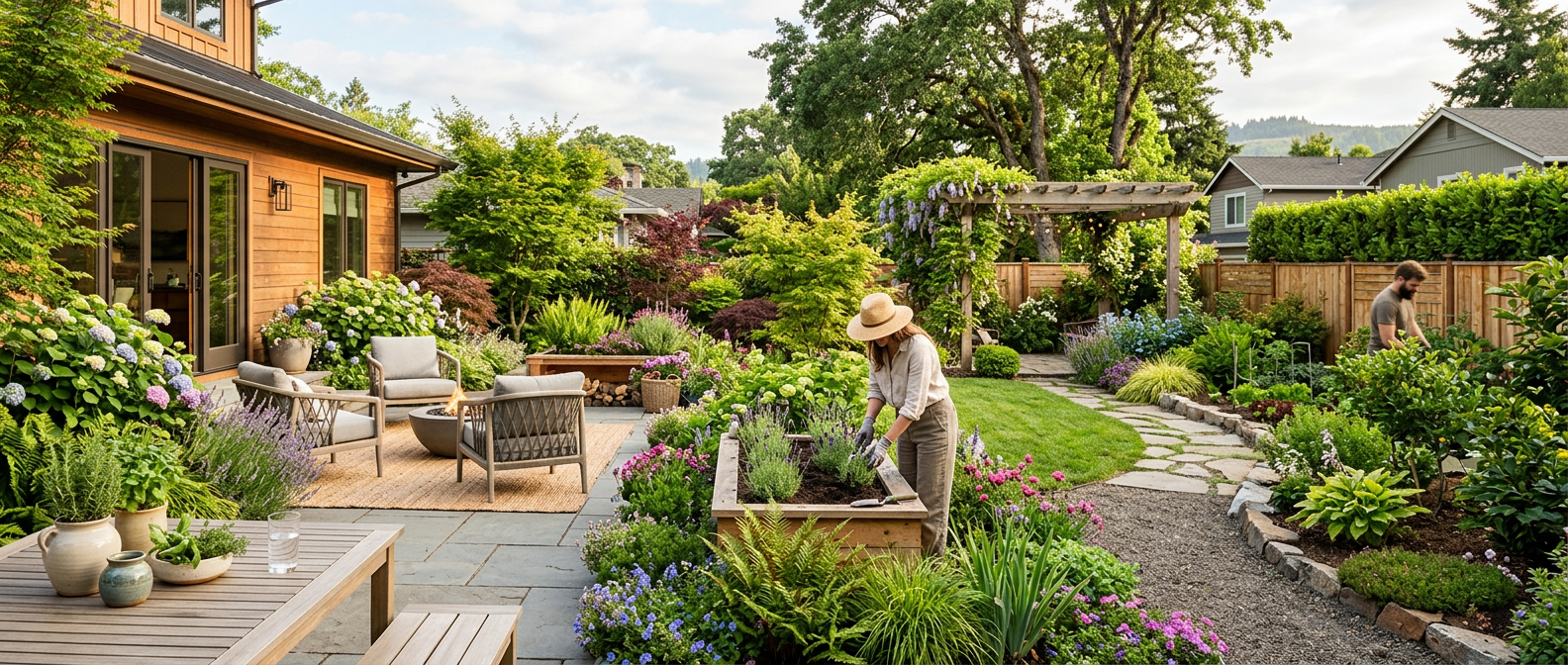
What it really costs to landscape a backyard
You can landscape a backyard for a few grand—or blow past six figures—depending on scope. We’ve bid and built enough yards to say this with a straight face: your patio and hardscape choices are the budget steering wheel.
Backyard landscaping price ranges (realistic)
- Basic refresh ($3,000–$8,000): edging, mulch, a few shrubs/trees, small gravel path, maybe sod in a small area.
- Mid-range ($12,000–$35,000): 250–500 sq ft patio, irrigation, sod/plantings, low-voltage lighting, basic drainage, small fire pit.
- High-end ($50,000–$150,000+): large paver patios, seat walls, turf or premium sod, pergola/deck, outdoor kitchen, lighting plan, major grading/drainage.
Stats check: Nationally, homeowners spend about $4,000–$20,000 to landscape a yard, with full-yard projects averaging near $10,000+ and jumping with hardscaping (Angi/HomeAdvisor: https://www.angi.com/articles/landscaping-cost.htm).
What drives the price
- Scope: Softscape (plants, sod) is cheap compared to hardscape (pavers, walls).
- Size and access: Tight gates, slopes, and long wheelbarrow runs add hours.
- Spec: Materials range wildly—gravel vs poured concrete vs premium pavers.
- Site: Drainage fixes and soil import/export can swing thousands.
- Speed: Rush timelines mean overtime and premium scheduling.
- Design: 5–15% of project or $500–$5,000+ saves rework if hardscape-heavy. See Should I Hire a Landscape Designer?.
Line-item costs you can actually budget
- Design: $500–$3,500 for concept/plan; $3,500–$10,000+ for full CDs on complex builds.
- Demo/grading: $1,000–$6,000; more if hauling spoils off-site.
- Lawn
- Seed/hydroseed: $0.10–$0.40/sq ft (materials), $0.50–$1.50 installed.
- Sod: $0.35–$0.85/sq ft (material), $1.00–$2.50 installed.
- Artificial turf: $3–$7/sq ft material, $8–$20 installed. Example: SYNLawn SYNAugustine 547 material ~$5–$7/sq ft.
- Planting: $25–$60 per shrub installed; $150–$800 per tree installed; mulch $50–$110 per cubic yard installed.
- Irrigation: $1,800–$5,300 for a standard 4–8 zone system. Smart controller like Rachio 3 runs $149–$229; Hunter PGP Ultra rotors ~$12–$18 each.
- Patio & paths
- Gravel: $4–$10/sq ft installed (with fabric like DeWitt Pro 5, ~$129 for 4'×250').
- Poured concrete: $8–$15/sq ft; add $3–$6 for color/stamp.
- Pavers: $12–$35/sq ft installed. Techo-Bloc Blu 60 or Unilock Beacon Hill pavers are ~$6–$9/sq ft materials.
- Retaining walls: $25–$60/sq ft of face area; curves/engineer add more.
- Lighting: $2,000–$6,000 installed. VOLT path lights (e.g., "V-PL-100-BBZ") run ~$59–$79 each; transformer $199–$399.
- Drainage: $1,200–$5,000 for French drains/catch basins; more if tying into storm.
- Fire features: DIY kits $400–$900; custom gas $2,500–$8,000.
Rule of thumb: labor is 50–70% of total. Material upgrades snowball when labor follows (heavier base, cutting, patterns). For context on labor math, see How Much Do Landscapers Charge per Hour.
DIY vs. hire: where to save, where to pay pros
DIY-friendly: mulch/edging, planting, drip add-ons, gravel paths, paint/stain, low-voltage lighting kits. Tools like a Gorilla Cart (~$119) and an Ames landscape rake (~$34) pull their weight.
Hire it out: grading/drainage, irrigation mainlines, big patios/walls, gas/electric, tight-access demo. This is where mistakes cost more than the crew. If you only need mowing/fertilizing, that’s a lawn care service, not a build crew—see Landscaper vs Lawn Care Service.
Get quotes you can compare
- Bring a simple plan with square footages and material specs.
- Ask for itemized bids: demo, base, materials, labor, disposal, warranty.
- Confirm timeline, permit needs, and payment schedule.
- Interview 3 pros and check recent installs. Start with What to Look For in Landscaping Near Me and 14 Key Questions to Ask a Landscaper Before Hiring.
We’ve seen bids swing 20–40% for the same scope because specs weren’t pinned down. Put paver model, base depth, and lighting fixture counts in writing.
Budget savers that don’t backfire
- Phase it: patio + irrigation now; plants/lighting later.
- Simplify shapes: fewer curves = less cutting = lower labor.
- Mix materials: a paver patio with gravel paths trims cost.
- Keep good soil on-site; avoid unnecessary export/import.
- Standard blocks for walls; skip caps you don’t need.
- Right-size lighting: light the steps and paths first, accents later.
- Use smart irrigation to cut water waste (Rachio 3 pays back in a season in many climates).
Frequently asked
What’s the cheapest way to landscape a backyard?+
Focus on cleanup, edging, mulch, a few well-placed shrubs/trees, and gravel paths. DIY planting and mulch can handle most of the refresh. Keep curves simple, reuse good soil on-site, and phase lighting and premium materials until later. Expect $3k–$8k if you keep hardscape minimal.
How much does sod vs. artificial turf cost installed?+
Sod typically runs $1.00–$2.50 per sq ft installed, depending on prep and access. Artificial turf is $8–$20 per sq ft installed, driven by base work and seam skill. Turf has higher upfront cost but lower water and mowing; sod is cheaper day one and looks natural.
How long does backyard landscaping take?+
A basic refresh is 1–2 days. Mid-range projects with a patio/irrigation run 1–3 weeks. Complex builds with walls, kitchens, or major grading can stretch 4–10+ weeks, plus design/permits. Weather, inspections, and material lead times can extend schedules, so pad your timeline.
Do I need a landscape designer or can the contractor design it?+
If you’re building hardscape (patio, walls, drainage), a designer or design-build plan prevents costly field changes and mismatched bids. For simple plant/sod refreshes, a contractor’s sketch can work. As a rule, spend 5–10% on design to save 10–20% in change orders.
How many quotes should I get and what should they include?+
Get three itemized quotes with the same specs: areas (sq ft), materials by model, base depths, fixture counts, warranties, and timeline. Include disposal, access conditions, and permits. If one bid is vague or missing quantities, you can’t compare it—send it back for detail.