Native Plants for Pollinators: Your Garden's Upgrade
Ready to turn your yard into a pollinator paradise without the guesswork? Here are the powerhouse native plants that actually work, why they matter, and how to get started.
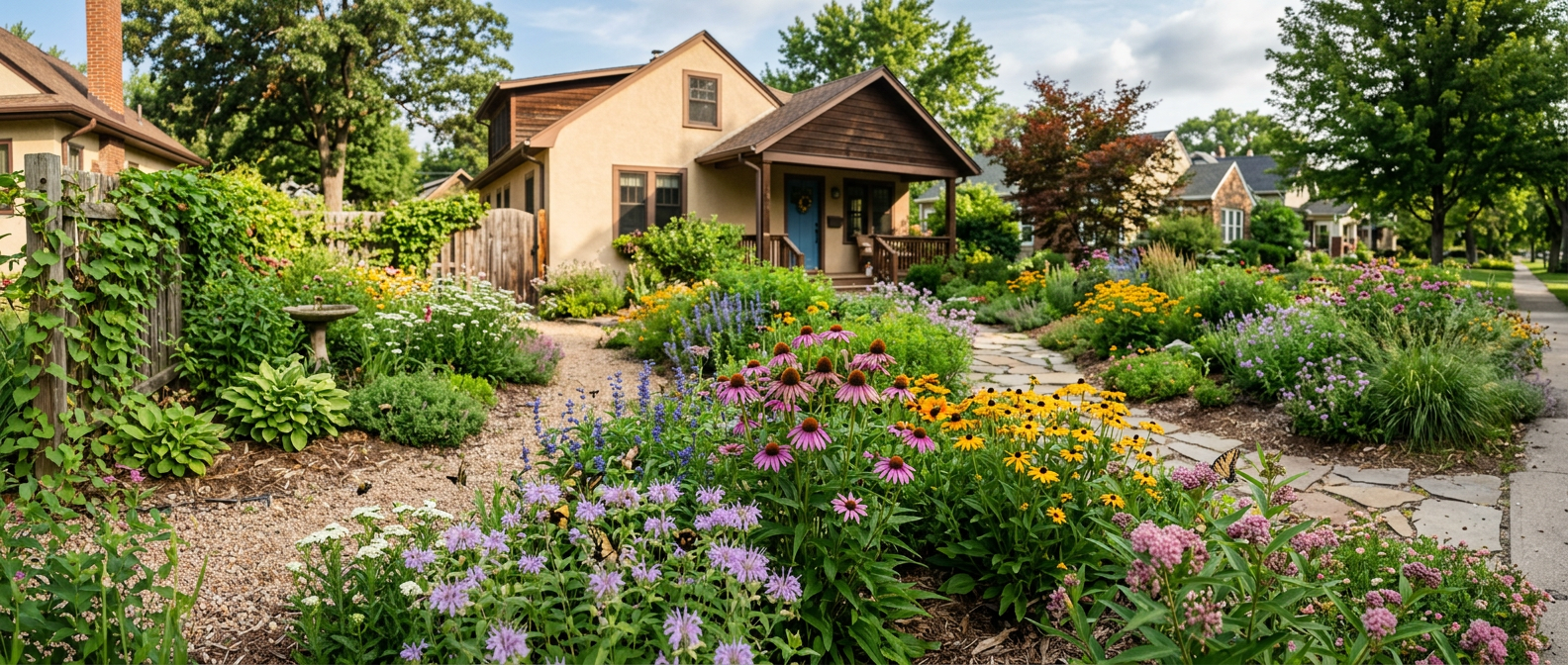
Let's cut to the chase. You've heard the buzz about pollinators, and you want to help. Good. But the advice out there is often a mix of vague platitudes and guilt trips. Forget all that. Planting for pollinators isn't about saving the world with one plant; it's about making your own yard more resilient, more interesting, and frankly, easier to take care of.
The secret isn't just 'planting flowers.' The secret is planting native flowers. We're talking about the plants that grew in your region long before we showed up with bulldozers and petunias. This isn't about being a purist; it's about being effective. We're here to give you the no-nonsense list of powerhouse native plants that will turn your garden into a five-star resort for bees, butterflies, and hummingbirds.
First, What is a "Native Plant" Anyway?
In the simplest terms, a native plant is one that has evolved in a specific region over thousands of years without human intervention. Think of it as the original, local flora. A plant native to the Ohio River Valley isn't native to the Sonoran Desert, and vice-versa. Why does this single detail matter more than anything else?
Co-evolution.
Native plants and native pollinators grew up together. They're like a lock and key. A local bee species might have a tongue length perfectly suited to the flower shape of a native Penstemon. More importantly, it's not just about nectar. Ninety percent of the insects that eat plants can only digest the native plants they evolved alongside. Those insects—caterpillars, for example—are the primary food source for baby birds. No native plants means no caterpillars, which means no baby birds. It's an entire food web, and native plants are the foundation.
You're not just planting a flower; you're stocking the pantry for an entire ecosystem. Non-native plants from other continents are, to most local insects, like plastic food. They might look nice, but they're not edible. This is why a manicured lawn bordered by boxwoods is often called a 'food desert'—it's ecologically dead space.
The All-Star Team: Top Native Plants for Pollinators
Ready for the roster? These plants are widely adaptable across North America and are proven winners. We've seen them thrive in our own test gardens from coast to coast. Look for species native to your specific ecoregion for the best results, but these are fantastic starting points.
For Sunny, Average Soil
- Purple Coneflower (Echinacea purpurea): The absolute icon of pollinator gardens. It's tough, drought-tolerant once established, and a magnet for everything from massive bumblebees to delicate butterflies. The seed heads also provide food for goldfinches in the fall. Don't clean them up!
- Black-Eyed Susan (Rudbeckia hirta): Cheerful, reliable, and spreads politely. It blooms for ages in the mid-to-late summer, bridging the gap between early summer flowers and fall asters. A workhorse.
- Common Milkweed (Asclepias syriaca): If you want to see monarch butterflies, you must plant milkweed. It's the only host plant for their caterpillars. Yes, the only one. The flowers also have a fantastic bubblegum scent and are a favorite of a huge range of bees and wasps.
For a Pop of Color & Texture
- Bee Balm / Wild Bergamot (Monarda fistulosa): The tubular flowers are perfectly designed for bees with long tongues and hummingbirds. It comes in shades of pink, purple, and red. Give it good air circulation to prevent powdery mildew, its only real weakness.
- Anise Hyssop (Agastache foeniculum): A contender for the single best bee plant, period. The spikes of purple flowers are mobbed by bees from July until frost. The leaves have a wonderful licorice scent. It's in the mint family but is generally well-behaved.
- Goldenrod (Solidago spp.): Let's bust a myth: Goldenrod does not cause hay fever. Ragweed, which blooms at the same time, is the culprit. Goldenrod is a late-season superstar, providing critical nectar for migrating monarchs and bees fattening up for winter. There are dozens of species; look for clump-forming types like 'Fireworks' or 'Golden Fleece' if you're worried about spreading.
According to the National Resources Conservation Service of the USDA, pollinators are responsible for one out of every three bites of food we eat, contributing over $24 billion to the U.S. economy. Planting even a small patch of native flowers in your yard is a direct investment in that food system. Your garden isn't just an island; it's a crucial link in a chain that supports agriculture far beyond your fence. (Source: https://www.nrcs.usda.gov/wps/portal/nrcs/main/national/plantsanimals/pollinate/)
Beyond Flowers: Build a Full-Service Pollinator Pit Stop
A great pollinator garden is more than a buffet of flowers. It's a full-service habitat.
- Host Plants: We mentioned Milkweed for Monarchs. But many butterflies have specific needs. Oaks, willows, and cherries are host plants for hundreds of species of caterpillars. Spicebush supports the Spicebush Swallowtail. Violets host Fritillary butterflies. Do a little research on butterflies in your area and plant their larval food. Check out one of our related guides on low-maintenance landscaping ideas to integrate these.
- Provide Water: Pollinators get thirsty, too. A simple bird bath is often too deep. Instead, fill a shallow dish with pebbles or marbles and add just enough water so the stones provide a safe landing spot. It's a game-changer on hot days.
- Leave the Leaves (and Stems)!: This is the best "lazy gardener" tip that has the biggest impact. Many queen bees, butterfly pupae, and beneficial insects overwinter in hollow plant stems and the leaf litter on the ground. When you rake everything bare in the fall, you're throwing away next year's generation of pollinators. Wait until late spring, when temperatures are consistently above 50°F (10°C), to do your cleanup.
How We Plan a Pollinator Garden Bed
When we lay out a new pollinator bed, we don't just randomly plug in plants. We think like a pollinator. Here's our process.
First, we map out bloom succession. We need something blooming in spring, summer, and fall. A great sequence for the Midwest, for example, would be Wild Columbine (Aquilegia canadensis) in spring, followed by Coneflower and Milkweed in summer, and closing out the season with the powerhouse New England Aster (Symphyotrichum novae-angliae) in the fall.
Second, we plant in drifts. Don't plant one coneflower here and one over there. Plant a group of 3, 5, or 7 of the same species together. This creates a large visual target that is much more attractive to a foraging bee than a single, lonely flower. It looks more natural and intentional, too. If you're starting from scratch, you might want to learn how to start a garden bed the right way.
I recently converted a 10x20 foot patch of lawn into a pollinator garden. The first year, I focused on getting the 'bones' right with a few species. I ordered the "Short & Tidy Pollinator Garden" kit from Prairie Moon Nursery for about $45. It gave me a great mix of plugs ready to plant. By the second summer, it was a riot of activity. The sheer number of different bee species was staggering. It's the most entertaining part of my yard, and it requires far less maintenance than the lawn it replaced.
The Dirt Cheap 'Don't Bother' List
Just as important as what to plant is what to avoid. The garden industry is happy to sell you things that are useless or even harmful.
- Over-Bred Hybrids: See those fancy 'mutant' coneflowers with double-pompom heads? They're often sterile. All the pollen- and nectar-producing parts have been bred into extra petals. They're pretty, but they're junk food. Stick to the classic, single-petal species.
- Invasive Species Labeled 'For Pollinators': The worst offender is Butterfly Bush (Buddleja davidii). Yes, butterflies love its nectar. But it's a nectar-only bar with no nutritional value for caterpillars, and it's highly invasive, escaping gardens and choking out the native host plants that butterflies actually need to reproduce. It's a net loss for the ecosystem.
- Pesticides: This should be obvious. Don't spray your pollinator plants with insecticides. If you have an aphid problem, wait. The hoverflies, lacewings, and ladybugs (all pollinators or beneficials) will show up to eat them. If you must intervene, check out our guide to organic pest control. And never, ever buy plants treated with neonicotinoids, a systemic insecticide that makes the entire plant—pollen and nectar included—toxic to bees.
Frequently asked
What is the easiest native plant for pollinators to grow?+
For most of North America, Black-Eyed Susan (Rudbeckia hirta) or Purple Coneflower (Echinacea purpurea) are incredibly easy. They are drought-tolerant once established, adapt to a wide range of soils, love full sun, and reliably bloom for a long time, attracting a huge variety of bees and butterflies.
Do I have to replace all my plants with natives?+
Absolutely not. Start small. Replace a patch of lawn, or add a few native powerhouses like Coneflower or Bee Balm to an existing garden bed. The goal is progress, not perfection. Even adding just three or four native species can make a massive difference to your local ecosystem.
Will a native plant garden look messy?+
It doesn't have to. A 'wild' look is one style, but you can create a very formal, tidy garden with natives. The key is using intentional design: plant in drifts, create defined borders, and use plants with different heights and textures. These 'cues to care' signal that the garden is purposeful, not neglected.
Where can I buy good native plants?+
Your best bet is a local nursery that specializes in native plants. They'll have species adapted to your specific area. Online specialists like Prairie Moon Nursery or Izel Native Plants are excellent. Be wary of big box stores, as plants may be mislabeled 'native' or treated with systemic pesticides harmful to bees.
How long does it take for a pollinator garden to establish?+
You'll see activity in the first year as annuals and fast-growing perennials bloom. But the old saying is true for perennials: 'The first year they sleep, the second they creep, and the third they leap.' By year three, your garden will be a mature, thriving, low-maintenance ecosystem.