
Easiest Vegetables to Grow for Beginners: Our Top Picks
You don't need a green thumb or a fancy greenhouse to grow your own food. These are the truly easiest, most forgiving vegetables for any beginner's garden.
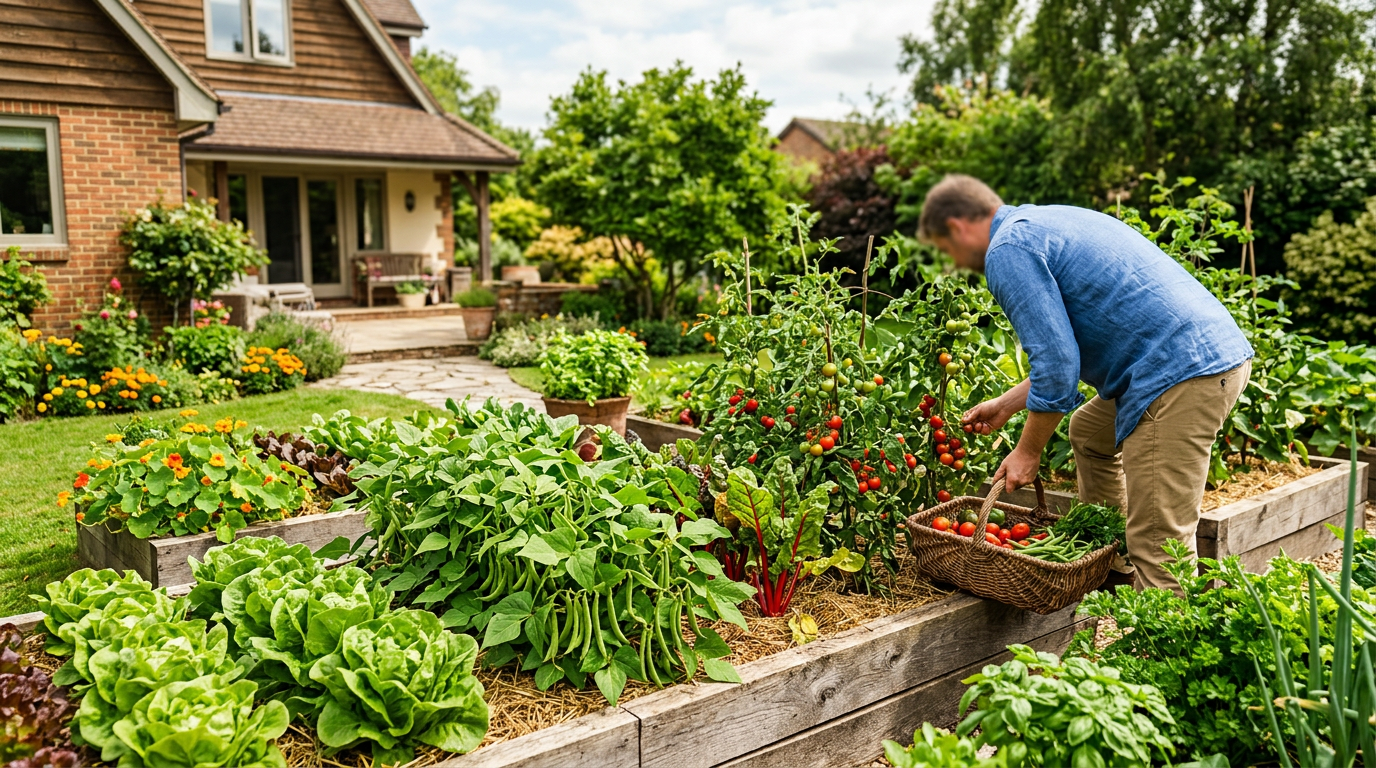
Let's be honest: the produce section at the grocery store can be a little depressing. Those pale, hard tomatoes, the plastic-bagged lettuce that goes bad in a day. You've thought about growing your own food, but the internet makes it seem like you need a PhD in botany and a thousand-dollar setup.
We're here to tell you that's nonsense.
Gardening isn't some secret club with a handshake. It's just putting a seed in some dirt and giving it what it needs to thrive. The trick is starting with plants that want to grow—plants that are so forgiving, they practically high-five you for trying. If you're just getting started, our complete How to Start a Vegetable Garden: A No-Nonsense Guide is your best first step. But if you're ready to pick your players, you're in the right place.
What 'Easy' Actually Means in Gardening
When we say a vegetable is "easy," we're not just being encouraging. We have a specific set of criteria. Forget the finicky, pest-prone divas of the garden world. For this list, 'easy' means:
- Fast to Germinate and Grow: You'll see results quickly, which keeps you motivated. Instant gratification is a powerful tool.
- Not Fussy: These plants aren't picky about having the perfect soil pH or a precise watering schedule. They can handle a little beginner's inconsistency.
- Productive: You'll get a decent amount of food for the space and effort you put in. No one wants to spend all summer tending a plant for three tiny beans.
- Generally Pest and Disease Resistant: While no plant is immune, these are less likely to be wiped out by the first aphid that wanders by.
We've killed more plants than we can count over the years. These are the ones that survived our worst mistakes and still ended up on our dinner plates.
The Top 7 Easiest Vegetables to Plant Today
This is it. Your starting lineup. You can plant any of these from seed directly into your garden soil after your last frost date. No complicated indoor seed-starting required.
1. Radishes
If you want speed, you want radishes. These are the sprinters of the vegetable world. They're perfect for impatient gardeners (and kids) because you can go from seed to spicy salad topping in as little as 25-30 days.
- Our Go-To Variety: 'Cherry Belle'. It's a classic for a reason. They're round, red, and reliable.
- Pro Tip: Plant a small batch every two weeks (succession planting) instead of all at once. This gives you a continuous harvest instead of 100 radishes you have to eat in one weekend.
2. Bush Beans
Forget the elaborate trellises of pole beans. Bush beans grow in a compact, shrub-like form and start producing in under two months. They're workhorses, pumping out handfuls of green beans every few days once they get going.
- Our Go-To Variety: 'Blue Lake 274 Bush'. It's a heavy producer with classic, stringless bean flavor.
- Pro Tip: Pick the beans regularly, even if you don't need them. The more you pick, the more the plant will produce.
3. Zucchini / Summer Squash
There's a running joke among gardeners about leaving extra zucchini on your neighbors' doorsteps, and it's 100% true. One or two zucchini plants will produce more squash than a small family can reasonably eat. They're incredibly vigorous and productive.
- Our Go-To Variety: 'Black Beauty' Zucchini. It's a dark green, dependable heirloom.
- Pro Tip: Harvest zucchini when they are 6-8 inches long. They're more tender and flavorful, and it encourages the plant to produce more. Don't let them turn into baseball bats.
4. Leaf Lettuce
Growing a tight head of iceberg lettuce is tricky. Growing loose-leaf lettuce is a piece of cake. The best part is the 'cut and come again' harvesting method. You just snip off the outer leaves as you need them, and the plant's center will keep growing and producing new ones for weeks.
- Our Go-To Variety: 'Black Seed Simpson'. It's a fast-growing, light green lettuce that's very forgiving.
- Pro Tip: Lettuce prefers cooler weather. Plant it in the spring and fall. In the summer heat, it can 'bolt' (go to seed) and turn bitter.
5. Carrots
The only trick with carrots is giving them loose, rock-free soil to grow down into. If you have heavy clay, grow them in a raised bed or a container. Or, even better, choose a shorter, stouter variety that doesn't need to delve as deep.
- Our Go-To Variety: 'Danvers 126'. It's a classic that's a bit shorter and thicker than grocery store carrots, making it more tolerant of less-than-perfect soil.
- Pro Tip: When the seedlings come up, you must thin them to be 2-3 inches apart. It feels cruel, but if they're too crowded, you'll get a tangle of tiny, sad roots instead of actual carrots.
6. Snap Peas
Sugar snap peas and snow peas are a delight. You eat the whole pod, so there's no tedious shelling. They do like to climb a bit, but a simple 3-4 foot fence or bit of netting is all they need. They're another cool-weather crop, best for spring and fall.
- Our Go-To Variety: 'Sugar Snap'. You can't beat the original for sweet, crunchy pods.
- Pro Tip: Like beans, harvest them frequently to keep the plant productive. They're ready when the pods are plump and round.
7. Cherry Tomatoes
Big heirloom tomatoes can be fussy and prone to cracking and disease. Cherry tomatoes, on the other hand, are tough, resilient, and ridiculously productive. A single plant can give you hundreds of sweet, bite-sized fruits. If you want to dive deeper into tomato culture, check out our guide to the best companion plants for tomatoes.
- Our Go-To Variety: 'Sungold' (for incredible sweetness) or 'Supersweet 100' (for sheer volume).
- Pro Tip: Most cherry tomatoes are 'indeterminate,' meaning they grow like a vine and produce fruit all season long. They will need a tall stake or cage for support.
Your Secret Weapon: Good Soil
You can pick all the right plants, but if you stick them in dead, compacted dirt, you're going to have a bad time. Plants get their food from the soil. Don't skip this part. If you're planting in the ground, work in a 2-3 inch layer of compost. If you're using pots or raised beds, don't use ground soil; buy bags of potting mix or garden soil. A bag of Kellogg Garden Organics All Purpose Garden Soil runs about $9 at the big box stores and is worth every penny.
Home gardening is booming for a reason. In a 2022 survey, 36% of U.S. households participated in food gardening. It's not just a hobby; a well-maintained food garden can yield about 0.6 pounds of produce per square foot, potentially saving a household hundreds of dollars on groceries annually. (Source: National Gardening Association, nationalgardening.org)
Sun, Water, and Not Freaking Out
Besides good soil, your easy-to-grow vegetables only have two other major demands:
- Sun: Vegetables make food from sunlight. You need to give them at least 6-8 hours of direct, unfiltered sun per day. This is non-negotiable. Find the sunniest spot in your yard; that's your garden.
- Water: Don't water on a schedule. Water when the plants need it. The easiest way to check is to stick your finger an inch or two into the soil near the plant. If it's dry, it's time to water. If it's damp, check again tomorrow. Water the base of the plant, not the leaves.
A Quick Word on Pests and Pollinators
Yes, you will see bugs. Don't panic. Most of them are harmless. Some are even beneficial! The key to a healthy garden isn't eliminating all insects, but creating a balanced ecosystem. One of the best ways to do this is to plant flowers that attract predatory insects and pollinators. Adding a few native plants for pollinators near your vegetable patch is a pro move that will pay dividends.
Containers vs. In-Ground: Does It Matter?
For these easy vegetables, not really! All of them can be grown in the ground or in containers. The key for containers is size and drainage. For something like a single zucchini or tomato plant, you'll want at least a 5-gallon pot, and preferably larger. For lettuce, radishes, and carrots, a 10-12 inch deep window box or round pot is plenty. For more on this, we've got the real scoop on how deep a raised bed should be, and the principles apply to pots, too.
The point is to start. Pick two or three things from this list that you actually like to eat. Get some seeds, a bag of good soil, and give it a shot. The worst that can happen is you learn something. The best that can happen is a fresh, homegrown tomato that tastes like actual sunshine.
Frequently asked
What's the absolute easiest vegetable to grow?+
Radishes are a top contender. They can go from seed to harvest in under 30 days, have few pest problems, and aren't fussy about soil. Leaf lettuce is another great choice, as you can harvest it multiple times from a single plant.
Can I grow these vegetables in pots?+
Absolutely. Most of these, especially bush beans, lettuce, radishes, carrots, and cherry tomatoes, do great in containers. Just ensure the pot is large enough (at least 5 gallons for a tomato plant) and has excellent drainage holes.
How much sun do beginner vegetables need?+
Most vegetables, including the easy ones listed here, need 'full sun,' which means at least 6 to 8 hours of direct, unfiltered sunlight per day. Less sun usually results in slower growth and a much smaller harvest.
Do I need to use fertilizer for my first garden?+
If you start with rich, compost-amended soil, you may not need much. For a simple boost, a balanced organic fertilizer like Espoma Garden-tone, applied according to package directions once or twice during the season, is more than enough for these plants.
When is the best time to start planting these vegetables?+
Most of these vegetables should be planted from seed directly in the garden after your area's last spring frost date has passed. Cool-weather crops like lettuce, peas, and radishes can be planted a few weeks before the last frost and grown again in the fall.