
Easiest Vegetables to Grow for Beginners: Our Top Picks
Stop dreaming about a garden and start digging. These are the most forgiving, high-yield vegetables you can plant today, even if you have a black thumb.
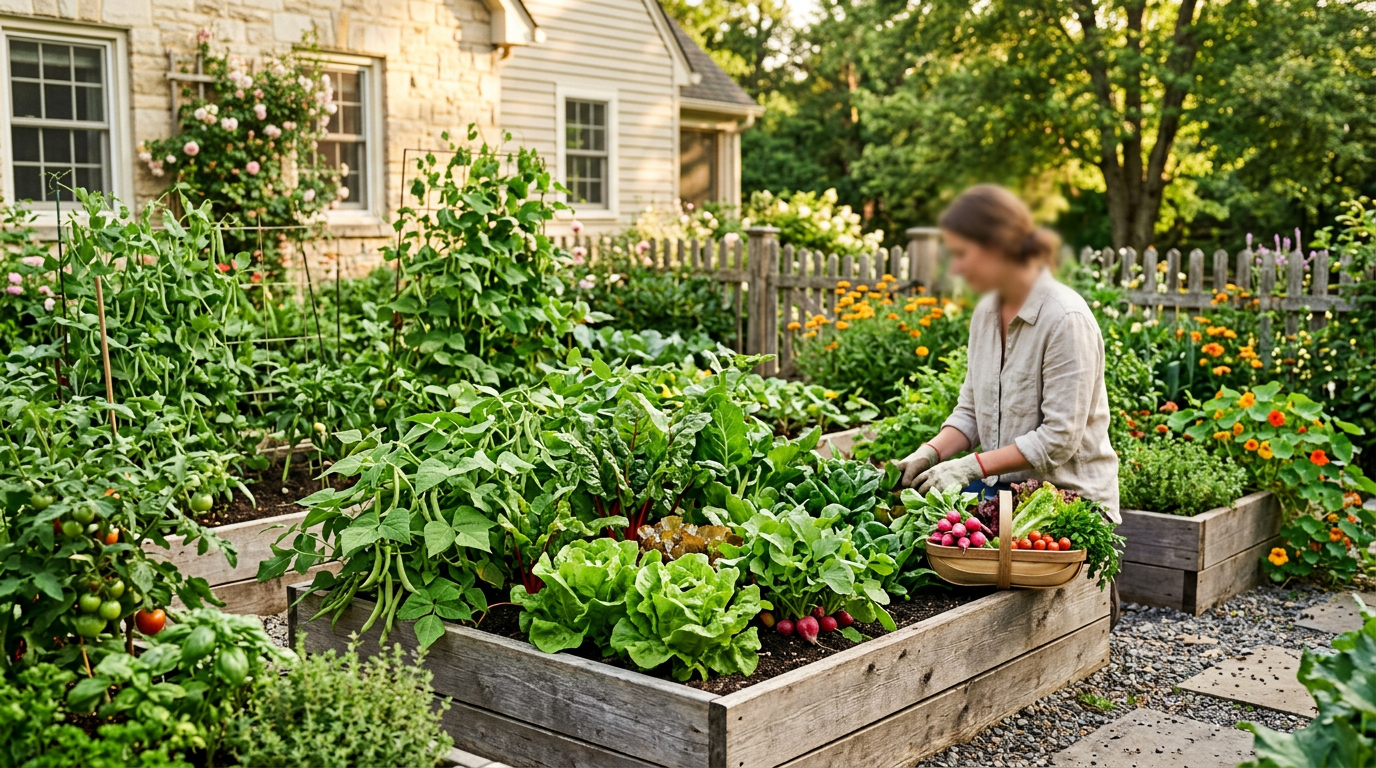
Let's be honest: the biggest barrier to starting a vegetable garden isn't space, or time, or money. It's fear. The fear of lovingly tending a tiny green sprout only to watch it wither into a brown, crunchy monument to your failure. We get it. We've personally killed more plants than we can count on our journey to becoming landscape pros. Our first 'successful' crop was a single, three-inch-long 'Spacemaster' cucumber that we treated like a Fabergé egg. We learned the hard way so you don't have to.
Gardening isn't some secret club with a handshake you have to learn. It's about giving a plant what it wants and getting out of the way. This guide is your cheat sheet to the plants that are most likely to forgive your rookie mistakes. These are the vegetables that want to grow.
Before You Plant: The 3 Rules of Not Killing Things
Before you even look at a seed packet, you need to get three things right. Get these handled and you're 90% of the way to eating food you grew yourself. If you want the full deep-dive, check out our How to Start a Vegetable Garden: A No-Nonsense Guide.
- Sunlight: Most vegetables are sun hogs. They need what we call "full sun," which translates to 6-8 hours of direct, unfiltered sunlight per day. Less than that and you'll get sad, spindly plants that don't produce much. Spend a day watching your intended garden spot. Does it get blasted by the sun from mid-morning to late afternoon? Perfect.
- Water: Plants get thirsty. But they also drown. The goal is consistent moisture, not a swamp. The easiest way to check is the finger test: stick your index finger two inches into the soil. If it comes out dry, it's time to water. If it comes out with moist soil sticking to it, you're good. Overwatering is the #1 killer of beginner plants.
- Soil: You can't grow great vegetables in crummy, compacted dirt. Plants need fluffy, nutrient-rich soil to spread their roots and find food. If you're planting in the ground, dig in a few inches of quality compost. We're fans of Kellogg Garden Organics All Natural Garden Soil (about $8 for a 1.5 cu. ft. bag at big box stores). For an extra boost, mix in a balanced, organic fertilizer like Espoma Garden-tone (~$15 for a 4lb bag). Good soil is a non-negotiable investment.
The "Almost Impossible to Kill" List
This is your starting lineup. These plants grow fast, produce reliably, and have minimal pest or disease issues. Start here to build your confidence.
1. Leaf Lettuce
Forget the finicky head lettuce from the grocery store. Leaf lettuce is a game-changer. You plant it, it grows, and you can snip off the outer leaves for a salad whenever you want. The plant will keep producing from the center. It's called "cut-and-come-again," and it's your new best friend. It also prefers cooler weather, making it a great spring and fall crop.
- Varieties to Try: 'Black Seed Simpson', 'Salad Bowl Red', 'Oakleaf'
- Pro Tip: Sow a new small patch of seeds every 2 weeks for a continuous harvest all season.
2. Radishes
Want near-instant gratification? Plant radishes. Some varieties go from seed to salad in under 30 days. This is the perfect crop for impatient gardeners (and kids). They don't need much space and can be tucked in between slower-growing plants.
- Varieties to Try: 'Cherry Belle' (classic round red), 'French Breakfast' (oblong and milder)
- Pro Tip: Harvest them as soon as they're ready. Radishes left in the ground too long get woody and unpleasantly spicy.
3. Bush Beans
Beans are incredibly generous plants. Bush beans, specifically, are perfect for beginners because they grow in a compact bush that doesn't require a trellis. They grow quickly and produce a ton of beans. Plus, as legumes, they actually add nitrogen to your soil, making it healthier for whatever you plant next.
- Varieties to Try: 'Bush Blue Lake 274', 'Provider', 'Contender'
- Pro Tip: For a steady supply, plant a new block of beans every 2-3 weeks from late spring through mid-summer.
4. Zucchini / Summer Squash
There's a reason people joke about leaving bags of zucchini on their neighbors' doorsteps. These plants are prolific. One or two plants is honestly enough for a whole family. They grow into big, bushy plants and will pump out squash as long as you keep picking it.
- Varieties to Try: 'Black Beauty' Zucchini, 'Early Prolific' Straightneck Squash, 'Patty Pan' Scallop Squash
- Pro Tip: Pick them when they're small-to-medium sized (6-8 inches for a standard zucchini). They taste better and it encourages the plant to produce more.
Level Up: Slightly More Effort, Huge Reward
Once you've got a taste of success, try these. They require a tiny bit more attention but the payoff in flavor and satisfaction is massive.
5. Cherry Tomatoes
Full-size heirloom tomatoes can be fussy. Cherry tomatoes, on the other hand, are enthusiastic growers that are much more forgiving. They produce hundreds of sweet, snackable fruits per plant. You will need to give them a cage or stake for support. For an even easier time, look for a "determinate" or "patio" variety, which stays smaller and more manageable.
- Varieties to Try: 'Sungold' (insanely sweet orange), 'Sweet 100', 'Super Sweet 100'
- Pro Tip: Tomatoes have friends! Check out our list of the Best Companion Plants for Tomatoes to help keep pests away naturally.
6. Kale
Kale is a nutritional powerhouse and a workhorse in the garden. It's tough as nails, tolerates both heat and cold, and is rarely bothered by pests. Like leaf lettuce, you can harvest the outer leaves and the plant will continue producing for months.
- Varieties to Try: 'Lacinato' (aka Dino Kale), 'Red Russian'
- Pro Tip: The flavor of kale often improves after a light frost.
7. Swiss Chard
Think of Swiss Chard as kale's flashy cousin. It has the same easy-growing, cut-and-come-again habit, but comes in a rainbow of stunning stem colors. It's so pretty you can even mix it into flower beds. It's milder than kale and the stems can be cooked like celery.
- Varieties to Try: 'Bright Lights', 'Fordhook Giant'
- Pro Tip: If you see little white moths fluttering around, those are cabbage moths. Cover your chard and kale with a lightweight insect netting to prevent their caterpillars from munching on your leaves.
Container Gardening All-Stars
No yard? No problem. Almost all the vegetables on this list can be grown in pots. The key is choosing the right size container. Don't try to cram a tomato plant into a 6-inch pot.
A 5-gallon bucket (with drainage holes drilled in the bottom!) is a perfect home for a single cherry tomato, pepper, or zucchini plant. A 12-inch deep window box is ideal for leaf lettuce, radishes, and herbs. When in doubt, go bigger. We talk a lot about soil volume in our guide How Deep Should a Raised Bed Be?, and the same principles of giving roots room to run apply to pots.
Top container picks: Leaf Lettuce, Radishes, Bush Beans, Cherry Tomatoes ('Patio' or 'Determinate' types), and almost any herb (just plant mint in its own pot unless you want it to take over the world).
Numbers Don't Lie: You're in Good Company
Feeling inspired? You're not alone. The interest in growing food at home has exploded. According to a 2023 National Gardening Survey, a whopping 36% of all households in the United States participate in food gardening, an increase of 29 million households since 2008 (source: https://garden.org/about/press/2023-national-gardening-survey/). You're part of a massive movement of people taking control of their food source, one zucchini at a time.
Starting a garden is a journey. You'll have successes and you'll have failures. But by starting with these easy, forgiving vegetables, you're setting yourself up for a delicious victory. And as you get more comfortable, remember to add some flowers to the mix to support your local ecosystem. A few marigolds or zinnias can attract beneficial insects and bring in the bees, which is a win for everyone. For more ideas, see our guide to Native Plants for Pollinators. Now stop reading and go get your hands dirty.
Frequently asked
What is the absolute easiest vegetable to grow?+
Leaf lettuce or radishes. They grow fast, have few pests, and don't need much space. You can harvest lettuce multiple times and radishes are ready in under a month, giving you a quick win to build confidence in your gardening skills.
Can I grow vegetables in pots?+
Absolutely. Many vegetables thrive in containers. Choose 'bush' or 'determinate' varieties for a more manageable size. A 5-gallon pot is great for one tomato or pepper plant, while shallower containers work for lettuce and herbs. Just ensure good drainage.
How much sun do vegetables need?+
Most vegetables need 'full sun,' which means at least 6-8 hours of direct sunlight per day. Root vegetables like carrots can tolerate a little less, but fruiting plants like tomatoes, peppers, and squash need all the sun they can get for good production.
Should I start with seeds or plants for my first garden?+
For a first-timer, starting with young plants ('starts' or 'transplants') from a nursery is often easier. It skips the delicate seedling stage. However, seeds are cheaper and offer more variety. Fast-growing plants like beans, peas, and radishes are very easy to start from seed directly in the garden.
What's the biggest mistake beginners make?+
The most common mistake is improper watering, usually overwatering. Plants in soggy soil can't breathe and their roots will rot. Use the 'finger test': only water when the top two inches of soil are dry. Not providing enough sunlight is a close second.