Easiest Vegetables to Grow for Beginners: Our Top Picks
Stop dreaming about a garden and start digging. These are the genuinely easiest, most forgiving vegetables for any beginner to grow successfully.
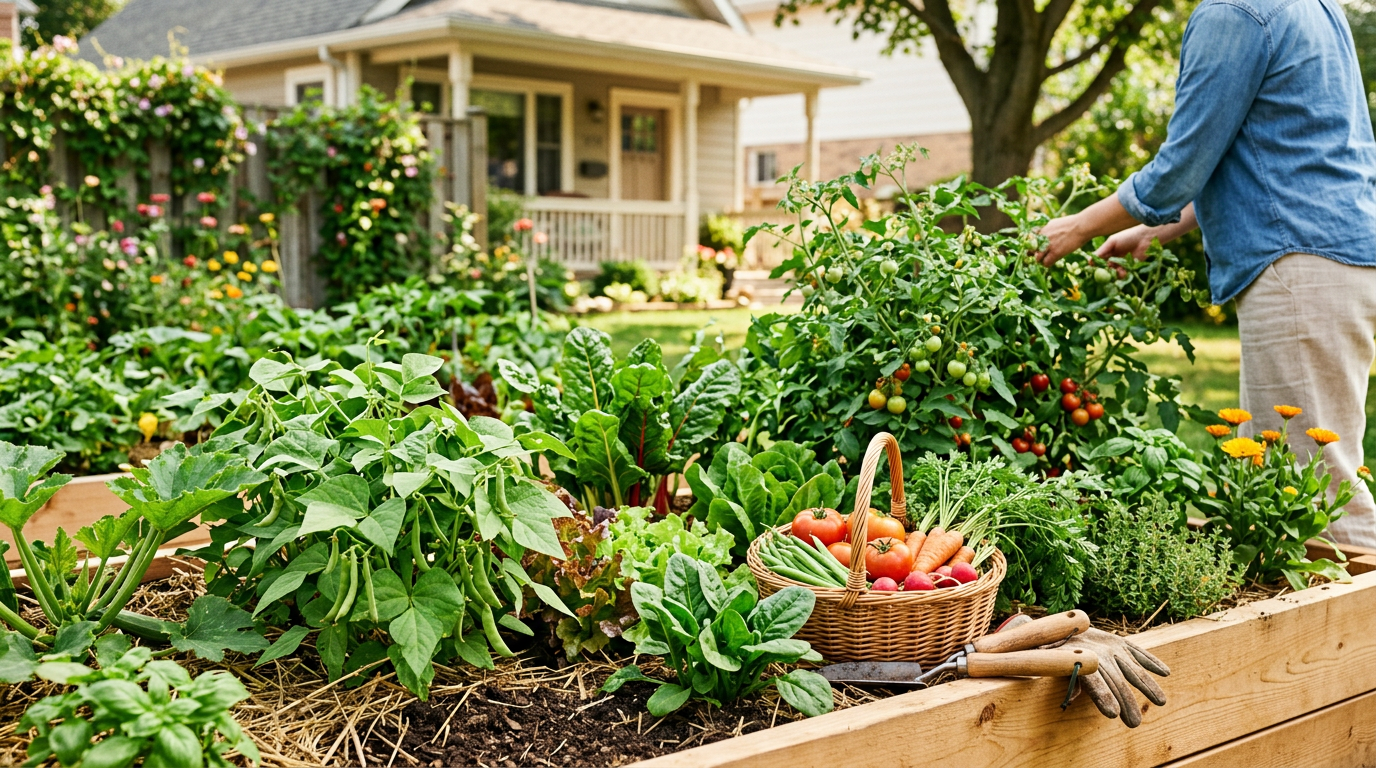
Let's be honest: the internet is full of gardening advice that seems designed to make you feel inadequate. Ten-step soil prep, complex fertilizer schedules, esoteric pest control—it's enough to make you abandon your trowel and go back to buying sad, plastic-wrapped broccoli from the grocery store.
We say: forget all that. The secret to starting a vegetable garden is to choose plants that want to live. You don't need a PhD in horticulture; you just need a sunny spot, decent soil, and a list of plants that are practically bulletproof. This is that list.
We've personally killed more plants than we can count over the years. These are the ones that kept coming back, the ones that produced a harvest even when we made rookie mistakes. If you're just getting your hands dirty, this is how to start a vegetable garden with plants that will actually reward you.
What Makes a Vegetable 'Easy,' Anyway?
When we say "easy," we aren't just being lazy. We're being strategic. An "easy" vegetable for a beginner has a specific set of traits that stack the deck in your favor:
- Fast Germination & Growth: You see results quickly, which keeps you motivated. Radishes that pop up in three days are way more encouraging than a parsnip that takes three weeks.
- High Productivity: You get a lot of food for the space and effort you put in. Bush beans are a prime example.
- Disease & Pest Resistance: These plants are less likely to succumb to the dozens of mildews, rusts, and bugs that can plague a garden.
- Forgiving Nature: They tolerate inconsistent watering, less-than-perfect soil, and other common beginner blunders without immediately giving up the ghost.
We're picking winners. Start with these, and you'll build the confidence to tackle trickier crops later.
The Absolute Easiest: Our Top 5 'Can't-Mess-It-Up' Picks
If you grow nothing else, grow these. They are the fastest, most reliable path from seed to plate.
-
Leaf Lettuce: Forget finicky iceberg heads. Loose-leaf lettuce is the MVP. It grows fast in cool weather and is 'cut-and-come-again,' meaning you can harvest the outer leaves and the plant will keep producing from the center for weeks.
- Our Pick: 'Black Seed Simpson' or 'Salad Bowl Red'. A packet of seeds from Burpee is about $3.
- How to Grow: Sow seeds shallowly in a pot or a garden row in spring or fall. They only need about 4-5 hours of sun. Keep the soil moist.
-
Radishes: The vegetable for the impatient. Many varieties are ready to harvest in under 30 days. Their peppery crunch is a fantastic reward for minimal effort. If they get too spicy, it just means they were left in the ground a bit too long.
- Our Pick: 'Cherry Belle' for classic round radishes or 'French Breakfast' for a milder, oblong option.
- How to Grow: Plant seeds about half an inch deep in cool weather. They pop up in days. Thin them out so the roots have room to swell.
-
Bush Beans: Unlike pole beans, bush varieties don't need a massive trellis. They grow into a compact bush about 2 feet tall and produce a ton of beans. Plus, as legumes, they add nitrogen to your soil, making it better for next year's plants.
- Our Pick: 'Bush Blue Lake 274' is a classic, reliable producer.
- How to Grow: Plant seeds 1 inch deep after the last frost. They love sun. The biggest job is just harvesting them every couple of days to keep the plant producing.
-
Zucchini / Summer Squash: The running joke among gardeners is to never leave your car unlocked in summer, lest you find it full of zucchini. They are astonishingly productive. One or two plants is usually more than enough for a family.
- Our Pick: 'Black Beauty' Zucchini.
- How to Grow: Plant in a mound of rich soil in full sun after all danger of frost has passed. Give it lots of space and water consistently to prevent blossom end rot.
-
Snap Peas: Nothing tastes more like spring. You get to eat the pod and all. They tolerate cooler temps and are one of the first things you can plant. They do need a little support, but a simple bit of string or a small fence is all it takes.
- Our Pick: 'Sugar Snap'.
- How to Grow: Plant seeds in early spring. They'll climb anything they can reach. Harvest when the pods are plump and crisp.
Level Up: Still Easy, But With a Little More Payoff
Once you've got a season with the top 5 under your belt, try these. They require a tiny bit more attention but are still squarely in the beginner-friendly zone.
-
Carrots: The main trick here is soil. Carrots hate rocks and dense clay. If you have heavy soil, grow them in a deep container with loose potting mix. Shorter varieties are more foolproof.
- Our Pick: 'Danvers 126' (a stubbier type) or 'Paris Market' (small and round).
-
Swiss Chard: This is a workhorse green. It's like two vegetables in one: you can cook the leafy greens like spinach and the crunchy stems like celery. It's also beautiful, especially the 'Bright Lights' variety, and far more heat-tolerant than spinach.
- Our Pick: 'Fordhook Giant' for massive production or 'Bright Lights' for color.
-
Cucumbers: For beginners, we recommend bush varieties over vining ones to save space. Like zucchini, they need consistent moisture. A single plant can yield dozens of cucumbers.
- Our Pick: 'Spacemaster 80' is a great compact variety for containers.
Essential Gear That Isn't a Gimmick
You don't need a shed full of expensive gadgets. But you do need a few key things. Skimping here is what leads to failure.
- Soil That Isn't Dirt: Don't just dig up a patch of lawn. That soil is likely compacted, weedy, and nutrient-poor. For containers, you must use potting mix. We recommend Espoma Organic Potting Mix (around $16 for a 16 qt bag) because its natural fertilizers won't burn your young plants. For raised beds, a 50/50 mix of topsoil and compost is a great start.
- The Right Container: For around $20, you can get a 5-pack of VIVOSUN 5-Gallon Grow Bags. They're cheap, reusable, and their fabric construction prevents overwatering by letting excess moisture escape—a lifesaver for beginners.
- Simple Food: Don't stress about N-P-K ratios. Just get one good, all-purpose organic fertilizer. Espoma Garden-tone (about $15 for a 4 lb bag) is a granular, slow-release option that you just sprinkle around your plants once a month. It's almost impossible to use incorrectly.
The Numbers Behind Your Backyard Garden
Growing your own food does more than just supplement your grocery bill. It has a measurable impact on your health and the local environment. According to research published in the Journal of the Academy of Nutrition and Dietetics, home gardeners consume significantly more fruits and vegetables than non-gardeners. It's a direct path to a healthier plate. Furthermore, every vegetable you grow is one that didn't have to be commercially farmed, packaged, and shipped hundreds of miles. Your garden patch becomes a tiny, productive ecosystem, especially if you include a few flowers to help out local pollinators and create a more resilient garden. It's a great reason to look into native plants for pollinators to plant alongside your veggies.
Common Beginner Blunders (And How to Dodge Them)
We see the same mistakes over and over. Here's how to stay out of trouble.
- Wrong Plant, Wrong Place: The tag on that tomato plant says "full sun" for a reason. It won't produce fruit on your shady north-facing patio. Respect the light requirements. Learning about what thrives in different conditions, like these best perennials for full sun, is a core gardening skill.
- Loving Your Plants to Death (Overwatering): This is the #1 killer of container plants. Roots need oxygen, and waterlogged soil suffocates them. Before you water, stick your finger two inches into the soil. If it's damp, walk away.
- Ignoring Spacing: Those tiny seedlings look lonely, so you plant them all right next to each other. Big mistake. Overcrowded plants compete for light and nutrients, leading to stunted growth and increased disease. Read the seed packet and thin them out. It feels cruel, but it's necessary.
- Forgetting to Harvest: For plants like beans, zucchini, and leaf lettuce, harvesting is a signal to produce more. If you let a zucchini turn into a baseball bat, the plant thinks its job is done and will stop making new fruit.
Once you get the hang of these basics, you can start exploring more advanced topics like how to find the best companion plants for tomatoes to improve yields and deter pests. But for now, just focus on keeping your easy veggies happy. You've got this.
Frequently asked
What's the absolute single easiest vegetable to grow?+
Leaf lettuce. It grows fast, tolerates a wide range of conditions, and you can 'cut and come again,' harvesting outer leaves for weeks from the same plant. It's perfect for containers and doesn't require full, blistering sun to thrive.
Can I grow these vegetables in pots?+
Absolutely. All the vegetables on our list can be grown in containers. Just choose a large enough pot (at least 5 gallons for zucchini or beans) and use a quality potting mix, not garden soil, to ensure good drainage.
How much sun do beginner vegetables need?+
Most vegetables, including beans, zucchini, and cucumbers, need at least 6-8 hours of direct sun per day. Leafy greens like lettuce and Swiss chard can get by with a bit less, around 4-6 hours, and appreciate some afternoon shade.
What's the cheapest way to start a vegetable garden?+
Start from seed instead of buying plant starts. Focus on container gardening with affordable grow bags. Make your own compost to enrich soil. Crops like radishes, lettuce, and beans have inexpensive seeds and produce a lot of food for the investment.