
Drought Tolerant Plants for Landscaping: Our Top 25+
Tired of a thirsty landscape and a high water bill? We've rounded up the toughest, most beautiful drought-tolerant plants that will thrive on neglect and look great doing it.
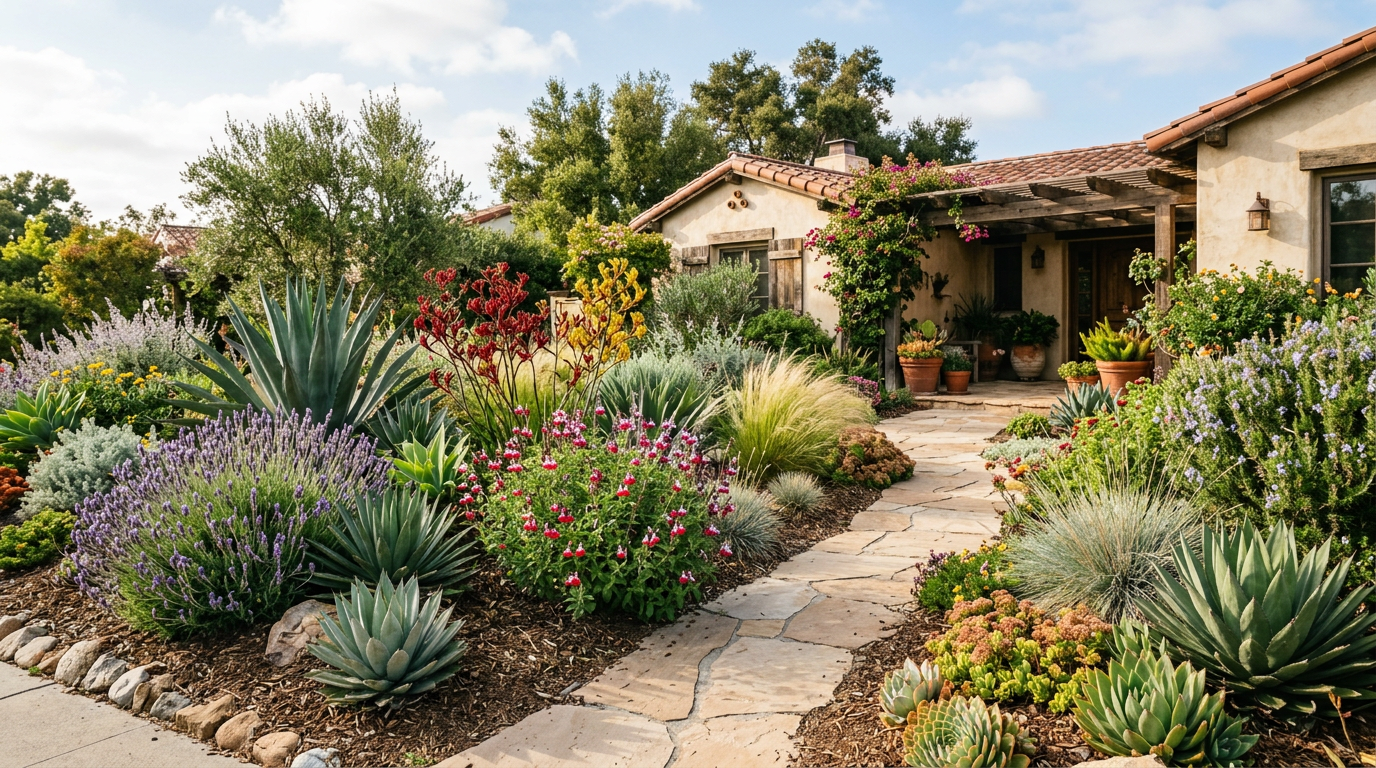
Let's be direct: your water bill is too high. You spend your weekends dragging a hose around, trying to keep your patch of green from turning into a sad, brown crunch. It's a losing battle against the sun, a waste of time, and a serious drain on both your wallet and the environment.
The genius solution? Stop fighting nature and start working with it. Building a landscape with drought-tolerant plants isn't about giving up and surrounding your house with gravel and a lonely cactus. It's about choosing smart, tough, and beautiful plants that thrive in the exact conditions that kill your thirsty hydrangeas. It’s about creating a stunning garden that looks incredible with a fraction of the water and effort.
We’re here to show you how to build that garden. These are our top picks for tough-as-nails plants that will save you water, time, and sanity.
What 'Drought Tolerant' Actually Means (And Doesn't)
First, let's clear the air. "Drought-tolerant" is one of those terms that gets thrown around a lot, and it's often misunderstood. It does not mean "no water, ever."
Think of it like this: a drought-tolerant plant is an established, mature plant that can withstand prolonged periods of dryness without dying. The key words there are "established" and "mature."
Every single plant you put in the ground, drought-tolerant or not, needs consistent water for its first growing season. This is non-negotiable. During this first year, the plant is focusing all its energy on growing a deep, robust root system. That's the underground engine that will allow it to find moisture deep in the soil during future droughts. If you skimp on water during year one, you're setting the plant up for failure.
After that first year, you can back off. A well-chosen, established drought-tolerant plant will only need supplemental water during the most extreme, prolonged heatwaves. For the rest of the year, it'll be perfectly happy with whatever nature provides.
This is a massive shift from a traditional lawn or garden, which might need watering several times a week just to survive the summer. According to the EPA, outdoor water use can account for 30-60% of a home's total water consumption, and a poorly managed irrigation system can waste up to 25,000 gallons a year. (Source: https://www.epa.gov/watersense/outdoors) Switching to water-wise plants is the single biggest impact you can make.
The Secret to Success: Soil Prep for Dry Gardens
You can’t just stick a plant in the ground and expect miracles. The foundation of any great garden, especially a water-wise one, is the soil. Most drought-tolerant plants have one non-negotiable demand: good drainage. They hate having "wet feet," and waterlogged soil will lead to root rot faster than you can say "I killed another plant."
If you have heavy, dense clay, you'll need to amend it. This is where you can see some of our top picks for tough plants that thrive in clay soil. The best all-around soil amendment is simple, cheap compost. Working a 2-3 inch layer of a quality compost, like Black Kow Composted Cow Manure (about $7 per 50-lb bag at big box stores), into the top 6-8 inches of your soil works wonders. It breaks up clay, improves drainage, and adds a gentle dose of nutrients.
For really stubborn clay, adding expanded shale or other small aggregates creates permanent air and water channels. If you have sandy soil, that same compost will help it retain more moisture. Don't go crazy with fertilizers. Most of these tough plants actually prefer leaner soil and produce fewer flowers and weaker growth when overfed.
Our Top Perennial Picks for Water-Wise Color
Perennials are the backbone of a low-maintenance garden. You plant them once, and they come back year after year. These are some of the most reliable and beautiful choices for a sun-drenched, dry spot. Many of them are featured in our guide to the best perennials for full sun.
-
Lavender (Lavandula): The undisputed king of drought-tolerant plants. The silvery foliage and fragrant purple spikes are iconic. It needs full sun and sharp drainage. 'Munstead' and 'Hidcote' are two extremely reliable and widely available English lavender varieties.
-
Yarrow (Achillea millefolium): This plant is practically indestructible. It comes in a rainbow of colors, from traditional yellow to pinks, reds, and whites. The flat-topped flowers are magnets for beneficial insects, making them a great addition to any pollinator garden. Check out more ideas for attracting bees and butterflies in our guide to native plants for pollinators.
-
Russian Sage (Perovskia atriplicifolia): Don't let the name fool you; it's not a true sage. This plant creates an airy, cool-toned cloud of lavender-blue flowers in mid-to-late summer. It looks phenomenal planted in large drifts and provides a soft texture that contrasts beautifully with bolder plants.
-
Coneflower (Echinacea purpurea): A classic American prairie native that has been bred into dozens of colors and forms. They are tough, reliable, and their seed heads provide winter interest and food for birds. They thrive on neglect once established.
-
Salvia (Salvia nemorosa): Especially cultivars like 'Caradonna' and 'May Night'. These bloom their heads off with spikes of intense violet-blue flowers in early summer. If you shear them back after the first flush, you'll often get a second, smaller bloom in the fall.
-
Catmint (Nepeta): If lavender is too fussy for your soil, Nepeta is your answer. It has a similar look with billows of soft, silvery foliage and spikes of blueish-purple flowers. It's ridiculously easy to grow and will be buzzing with bees all summer long.
Succulents & Groundcovers: The Unkillable Crew
For the hottest, driest, most neglected parts of your yard, succulents are the answer. They store water in their leaves, making them camels of the plant world.
-
Sedum (Stonecrop): This is a huge and versatile genus. There are upright varieties like the classic 'Autumn Joy', which provide structure and big flower heads in the fall. Then there are the creeping sedums like 'Angelina' (chartreuse) or 'Dragon's Blood' (red), which form dense, weed-suppressing mats perfect for rock walls, slopes, or sidewalk edges.
-
Sempervivum (Hens and Chicks): The ultimate low-maintenance plant. These form tight rosettes of fleshy leaves that multiply to create a dense colony. They are perfect for tucking into the cracks of a rock wall, filling a strawberry pot, or any small space with gritty soil.
-
Ice Plant (Delosperma): Looking for blinding, neon color? This is your plant. Delosperma cooperi has iridescent magenta flowers that cover the succulent mat of foliage all summer long. It needs sun and perfect drainage to thrive.
-
Creeping Thyme (Thymus serpyllum): Want a groundcover you can walk on? Creeping thyme forms a durable, fragrant mat that tolerates light foot traffic. When you step on it, it releases a wonderful herbal scent. It's a fantastic, low-water lawn alternative for small areas.
Shrubs & Grasses for Structure & Movement
Flowers are great, but a genius landscape needs structure, texture, and year-round interest. That's where shrubs and ornamental grasses come in.
-
Rosemary (Salvia rosmarinus): In zones where it's hardy (typically 7-10), rosemary is an unbeatable evergreen shrub. It's fragrant, edible, and requires virtually no water once established. You can get upright varieties or prostrate ones that will spill over a wall.
-
Agave & Yucca: For pure architectural drama, nothing beats an agave or yucca. They create a powerful focal point with their bold, sculptural forms. Just be careful where you plant them. We've made the mistake of planting a beautiful Agave parryi too close to a path—our shins paid the price for weeks. Give them plenty of space.
-
Feather Reed Grass ('Karl Foerster'): One of the most popular ornamental grasses for a reason. It has a strong, upright, vase-like shape that doesn't flop. The feathery plumes emerge in early summer and last through winter, providing incredible seasonal interest. It's a 'cool-season' grass, meaning it does most of its growing in spring and fall.
-
Blue Fescue (Festuca glauca): This small, clumping grass provides an intense pop of silvery-blue color. It stays in a neat little mound, usually under 12 inches tall, making it perfect for edging a border or planting in masses.
For those needing more substantial screening, some drought-tolerant trees and large shrubs can fit the bill. While we focus on smaller plants here, options like Italian Cypress or certain Junipers can provide height and privacy without demanding much water once established. Consider these if you're looking for fast growing privacy trees that align with a water-wise strategy.
Frequently asked
What is the most low-maintenance drought-tolerant plant?+
Sedum (Stonecrop) is a top contender. It thrives in poor soil, requires minimal water once established, and comes in hundreds of varieties. Creeping types form a dense mat that suppresses weeds, while upright types like 'Autumn Joy' provide four-season interest with zero fuss.
Do drought-tolerant plants need to be watered at all?+
Yes. 'Drought-tolerant' means they can survive dry spells, not live without water forever. All new plants need consistent watering for their first year to establish a deep root system. After that, they will only need supplemental water during prolonged, extreme heat and drought.
Can I have a colorful garden with only drought-tolerant plants?+
Absolutely. Plants like Yarrow (Achillea), Coneflower (Echinacea), and Ice Plant (Delosperma) offer a huge range of vibrant colors from yellow and pink to purple and red. Combining these with the silvery foliage of Russian Sage creates a stunning, low-water landscape.
What is xeriscaping?+
Xeriscaping is a landscaping philosophy based on water conservation. It involves using drought-tolerant plants, often native to the region, and design techniques like grouping plants by water needs, mulching, and efficient irrigation to create a beautiful garden that requires minimal supplemental water.
Are all native plants drought-tolerant?+
Not necessarily. While many plants native to arid regions are drought-tolerant, plants native to wetlands are not. Always choose [native plants for pollinators](/cluster/native-plants-for-pollinators-garden-upgrade) that match your specific site's sun and water conditions, rather than assuming all natives are automatically water-wise.