
Best Perennials for Full Sun: Our 20+ Unkillable Picks
Stop wasting money on plants that can't handle the heat. We've rounded up the toughest, most reliable full-sun perennials that will come back year after year, no coddling required.
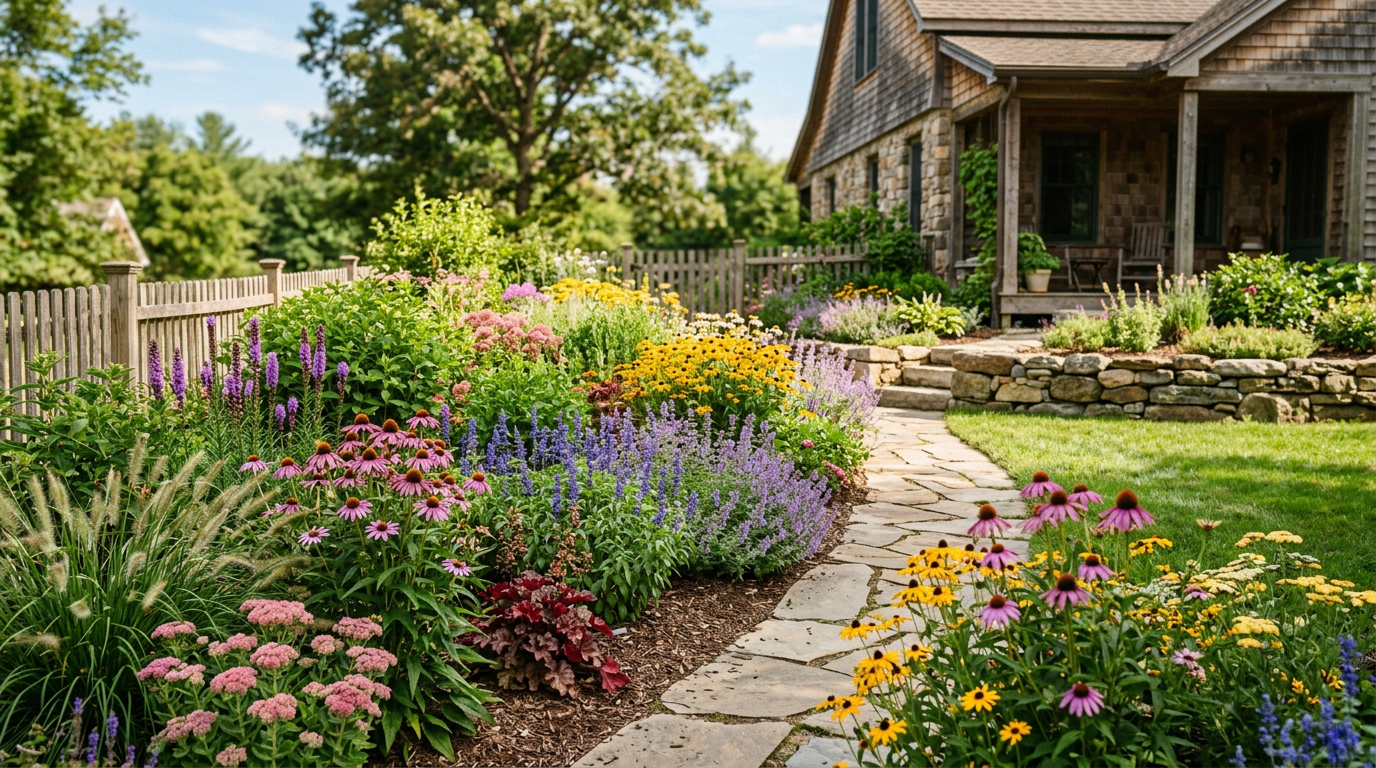
Let's be honest. There's nothing more soul-crushing than spending a weekend planting beautiful perennials only to watch them get nuked by the summer sun. You water, you plead, you consider building tiny umbrellas for them. We've been there. The secret isn't more work; it's working smarter. The mantra is "right plant, right place," and for that sun-blasted strip along your driveway, you need plants that actually want to be there.
Welcome to the world of full-sun perennials. These aren't delicate divas; they're the tough, reliable workhorses of the garden. They show up, they do their job, and they come back next year for more. Forget gatekeeping and fancy Latin names—we're here to give you the dirt on the plants that will make you look like a genius without the constant fuss.
What "Full Sun" Actually Means (It's Not a Suggestion)
First, a quick reality check. Plant tags aren't kidding. When we say "full sun," we mean a spot that gets a minimum of 6 to 8 hours of direct, unfiltered sunlight every day during the growing season. That afternoon sun from noon to 4 PM? That’s the most intense, and these plants are built for it.
Before you buy a single plant, spend a day observing your yard. Note which areas are sunny at 9 AM, noon, and 4 PM. You might be surprised. That spot you thought was full sun might be shaded by the house after 2 PM, making it a poor choice for a sun-worshipper like Russian Sage. That other, forgotten corner might be the perfect solar-powered stage. If you've got the opposite problem, check out our guide to the best shade perennials instead.
The Unkillables: Our Top Perennials for Baking Sun
We've trialed hundreds of plants in our own gardens over the years. These are the ones that consistently perform, laugh at the heat, and look great doing it. We’ve broken them down so you can plan like a pro.
The Showstoppers (Long Bloomers)
These are your flowering powerhouses, providing color from summer through fall.
- Coneflower (Echinacea): The undisputed champion. Classic purple coneflower (Echinacea purpurea) is bulletproof, but new cultivars offer a rainbow of colors. 'Magnus' is a classic pink, while 'Cheyenne Spirit' offers a mix of sunset tones. They’re a magnet for bees and butterflies. A must-have for any native plants for pollinators garden.
- Black-Eyed Susan (Rudbeckia): A golden-yellow beacon of summer. Rudbeckia fulgida 'Goldsturm' is the industry standard for a reason—it's a blooming machine. They are tough, spread politely, and handle everything from average soil to heavier clay.
- Salvia (Salvia nemorosa): The spiky, vertical accent every garden needs. 'Caradonna' is our go-to for its deep violet-blue flowers and iconic dark purple stems. Deadhead after the first flush of blooms, and it will re-bloom all summer. Hummingbirds go bonkers for them.
- Yarrow (Achillea millefolium): Don't let its delicate, ferny foliage fool you; this plant is iron-clad. With flat-topped flowers in shades of yellow, pink, red, and white, it's one of the best drought tolerant plants for landscaping. 'Moonshine' (yellow) and 'Paprika' (red) are stellar performers. It thrives on neglect.
- Shasta Daisy (Leucanthemum x superbum): For classic, cheerful white flowers, nothing beats a Shasta Daisy. 'Becky' is a famous variety known for its sturdy stems and long bloom time. It provides a clean, crisp look that pairs with everything.
- Coreopsis (Tickseed): Especially the threadleaf varieties like 'Moonbeam' or 'Zagreb'. They create a cloud of airy, yellow flowers that bloom for months. Shear them back mid-summer if they get leggy for a whole new flush of flowers.
Tough-as-Nails Groundcovers & Fillers
These plants fill in the gaps, suppress weeds, and add texture.
- Stonecrop (Sedum): The ultimate low-maintenance plant. Upright varieties like 'Autumn Joy' ($14.99 for a 1-gallon pot at most nurseries) provide four seasons of interest, from green broccoli-like heads in summer to rosy blooms in fall and dried seed heads in winter. Creeping sedums like 'Angelina' or 'Dragon's Blood' are fantastic for hot, dry slopes.
- Catmint (Nepeta x faassenii): 'Walker's Low' is a garden designer's secret weapon. It forms a tidy mound of gray-green foliage topped with a haze of lavender-blue flowers for months. It's drought-tolerant, deer-resistant, and bee-friendly. When it's done with its first big show, cut it back by half and it'll do it all over again.
- Lamb's Ear (Stachys byzantina): Kids love the fuzzy, silver leaves. It's an incredibly tough groundcover for hot, dry spots. The 'Helene von Stein' variety is a popular non-flowering type if you just want the silvery carpet effect.
Architectural & Airy Beauties
For height, movement, and that "wow" factor.
- Russian Sage (Perovskia atriplicifolia): If you have a spot that feels like the surface of the sun, plant Russian Sage. Its silvery stems and lavender-blue flowers create an airy, cool-toned cloud from mid-summer to fall. It smells amazing and needs virtually no water once established. 'Denim 'n Lace' is a more compact, upright variety that won't flop.
- Ornamental Grasses: Don't sleep on grasses! Little Bluestem (Schizachyrium scoparium) offers blue-green summer color and fiery fall tones. Switchgrass (Panicum virgatum 'Northwind') provides a strong vertical element. They add motion and winter interest.
- Baptisia (False Indigo): A beast of a plant in the best way. In spring, it sends up incredible spires of lupine-like flowers (usually blue, but also yellow and white varieties exist). It forms a large, shrub-like clump that looks good all season. Its deep taproot makes it incredibly drought-tolerant but also means you should plant it where you want it to live forever.
According to the EPA's WaterSense program, landscaping with water-smart plants can save a homeowner up to 50 percent of their outdoor water use. In a garden, switching from thirsty annuals to established, sun-loving perennials like the ones listed here can mean the difference between watering daily and watering once a week, or even less. A mature Russian Sage or Sedum might not need supplemental water all summer, saving you time, money, and a precious resource. (Source: epa.gov/watersense)
Pro Tips for a Thriving Full-Sun Garden
Planting these tough guys isn't rocket science, but a few tips will guarantee success.
- Soil Prep is Key: Even tough plants like a good start. Most sun-lovers prefer well-drained soil. If you have heavy clay, amend it. We mix in a few bags of compost, like Black Kow ($6.98/bag), to improve structure and add slow-release nutrients. For truly stubborn clay, see our top best plants for clay soil.
- Water Smart, Not Hard: When you first plant them, water them every couple of days for the first few weeks. After that, switch to a deep, infrequent watering schedule (once a week, max). This encourages deep roots, making them more resilient.
- Mulch is Your Best Friend: A 2-3 inch layer of shredded bark mulch (we like Scotts Nature Scapes Triple Shred) is non-negotiable. It holds moisture in the soil, keeps roots cool, and suppresses weeds. It's the single best thing you can do for your garden's health.
- Deadhead for More Flowers: For plants like Salvia, Coreopsis, and Shasta Daisy, snipping off the spent blooms tells the plant to produce more flowers instead of making seeds. It takes 10 minutes and doubles your flower power.
Steal This Full-Sun Border Plan
Tired of guessing? Here's a can't-miss, 10-foot by 4-foot border recipe.
- Back Row (Tallest): Plant 3 Russian Sage 'Denim 'n Lace' spaced about 3 feet apart.
- Middle Row: In front of the sage, plant 5 Coneflower 'Magnus' and 3 Salvia 'Caradonna'. Stagger them for a more natural look.
- Front Row (Shortest): Create a border with a drift of 7 Catmint 'Walker's Low'.
This combination gives you height, texture, and color from June through September. It's drought-tolerant, pollinator-friendly, and almost completely fool-proof. You're welcome.
Frequently asked
What's the lowest maintenance perennial for full sun?+
Sedum (Stonecrop), especially upright varieties like 'Autumn Joy'. It thrives on neglect, tolerates drought and poor soil, and rarely needs dividing. Just plant it in a sunny spot with good drainage and forget about it until it puts on its spectacular fall show.
Can I plant these perennials in pots?+
Absolutely. Most sun perennials do well in containers, but you'll need a large pot (at least 18-24 inches) with drainage holes. Use quality potting mix, not garden soil. Container plants dry out much faster, so monitor watering closely, especially during heatwaves.
How do I keep my full-sun perennials from getting leggy?+
Legginess is often caused by too little sun or too much fertilizer. Ensure they get their 6+ hours of direct light. For plants like Catmint or Asters, a "Chelsea Chop"—cutting them back by one-third in late spring—encourages bushier, sturdier growth and more flowers.
Do I need to fertilize full-sun perennials?+
Usually, no. Most of these tough plants thrive in average or even lean soil. A top-dressing of compost once a year in the spring is plenty. Over-fertilizing, especially with high-nitrogen formulas, can lead to weak, floppy growth and fewer flowers, so save your money.
What perennials bloom all summer in full sun?+
For non-stop color, look to Coreopsis 'Moonbeam', Salvia 'Caradonna' (with deadheading), and Catmint 'Walker's Low'. Black-Eyed Susans and Coneflowers also have incredibly long bloom periods, often lasting from early summer right until the first frost.