
Best Perennials for Full Sun: 20+ Unkillable Picks
Stop wasting money on plants that can't handle the heat. We've rounded up the toughest, most beautiful perennials that bake in full sun and come back stronger every year.
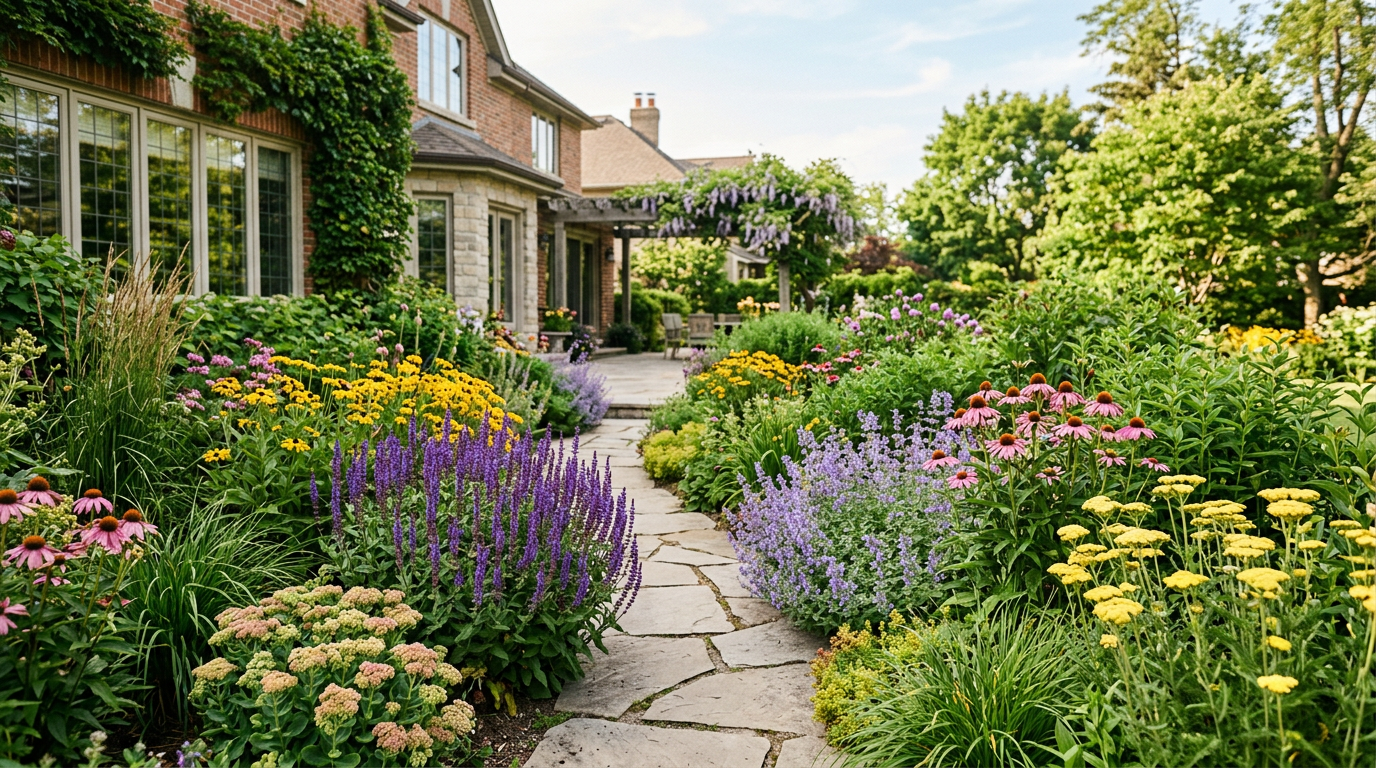
Let's be honest. There's a special kind of gardening heartbreak that comes from watching your brand new, expensive plants turn into crispy, sun-scorched sadness. You followed the instructions, you watered, you whispered words of encouragement, and still... toast. The problem usually isn't you; it's the wrong plant in the wrong place. If you've got a spot that gets blasted by the sun all day, you don't need prayers. You need a better plant list.
This is that list. We're not talking about delicate flowers that need constant babying. We're talking about tough-as-nails, powerhouse perennials that look at a full-sun exposure and say, "bring it on." These are the plants that come back year after year, bigger and better, providing color, structure, and life to your yard. Forget the fried foliage. It's time to build a garden that thrives on the heat.
What 'Full Sun' Actually Means
First, a quick definition so we're all on the same page. In the gardening world, "full sun" isn't a vague suggestion. It's a specific measurement:
- The Rule: A spot is considered "full sun" if it receives at least 6 to 8 hours of direct, unfiltered sunlight per day during the growing season.
- The Intensity: Afternoon sun (from noon to 4 p.m.) is way more intense and hotter than morning sun. A plant that loves 6 hours of morning sun might struggle in 6 hours of brutal afternoon rays.
Before you buy a single plant, spend a day watching the light in your intended garden bed. Note when the sun hits it and when it moves into shade. This five minutes of observation will save you hundreds of dollars and a lot of frustration. If your spot gets less than 6 hours, you might be looking for the best shade perennials instead.
The Flowering Powerhouses: Non-Stop Color
These are the show-offs. They produce masses of blooms and are the backbone of any sunny border. We've planted thousands of these across countless job sites, and they just plain work.
- Coneflower (Echinacea purpurea): The undisputed champion of the sunny garden. They're tough, drought-tolerant once established, and a magnet for bees and butterflies. The classic purple is great, but cultivars like 'PowWow Wild Berry' (a vibrant magenta) and the white 'White Swan' are bulletproof. Blooms from mid-summer to fall.
- Black-Eyed Susan (Rudbeckia): A golden-yellow explosion from summer through the first frost. 'Goldsturm' is the classic, reliable variety you see everywhere for a reason. It's a workhorse. They self-seed politely, giving you more plants over time without becoming a nuisance.
- Shasta Daisy (Leucanthemum x superbum): For that classic, cheerful daisy look, nothing beats a Shasta. 'Becky' is a fantastic, long-blooming variety with sturdy stems that don't flop. They provide clean white flowers that pop against all the other colors.
- Yarrow (Achillea millefolium): If you have hot, dry, punishingly sunny conditions, you need Yarrow. It has feathery foliage and flat-topped flower clusters in a huge range of colors. We love the 'Moonshine' variety for its bright yellow flowers, but the 'Paprika' is a stunner too. Bonus: deer tend to leave it alone.
- Daylily (Hemerocallis): The ultimate "plant it and forget it" perennial. They tolerate a wide range of soils, including clay, and come in every color except true blue. For maximum impact, choose a reblooming variety like the iconic 'Stella de Oro' (yellow) or 'Pardon Me' (red) for flowers all season long.
- Lavender (Lavandula angustifolia): You get color, incredible fragrance, and a pollinator party. The key to lavender is drainage. It absolutely hates wet feet. Plant it in a high spot or amend your soil heavily with sand or gravel. 'Munstead' and 'Hidcote' are two extremely reliable English lavender varieties.
Beyond Flowers: Structure, Texture, and Scent
A great garden isn't just about flowers. You need plants that provide a backdrop, create movement, and offer interest when others aren't in bloom.
- Russian Sage (Perovskia atriplicifolia): Don't let the name fool you; it's not a sage. This plant creates an airy, silvery-purple haze in the mid-to-late summer garden. It's incredibly drought tolerant and provides a cool-toned counterpoint to the hot yellows and oranges of other sun-lovers. Needs lots of space to sprawl.
- Catmint (Nepeta faassenii): If Russian Sage is too big for your space, 'Walker's Low' Catmint is your answer. It's a cloud of soft, periwinkle-blue flowers from late spring through summer. If you shear it back after the first flush of blooms, it will happily rebloom for you. It's neater, tidier, and just as tough.
- Ornamental Grasses: No full-sun garden is complete without the movement and sound of ornamental grasses. Switchgrass (Panicum virgatum 'Northwind') provides a rigid, upright form, while Little Bluestem (Schizachyrium scoparium) has beautiful blue-green foliage that turns a stunning copper in the fall.
- Autumn Sedum (Hylotelephium spectabile): This is a four-season plant. It emerges in spring with fleshy, succulent leaves, forms broccoli-like flower heads in summer that open to dusty pink or red in the fall, and the dried seed heads provide winter interest. 'Autumn Joy' is the classic, but 'Autumn Fire' is an improved version with sturdier stems.
Your Game Plan for a Thriving Sun Garden
Planting is the easy part. A little prep work makes all the difference between plants that survive and plants that thrive.
- Prep Your Soil: Most sun perennials want good drainage. If you have heavy clay, you need to amend it. We dig in 2-4 inches of compost or soil conditioner before planting anything. For truly stubborn soil, check our guide to the best plants for clay soil.
- Water Deeply, Not Daily: New plants need consistent water for the first few months to get their roots established. After that, most of these tough picks prefer a deep soaking once a week to shallow, daily watering. This encourages deep, drought-resistant roots.
- Mulch is Mandatory: Apply a 2-3 inch layer of shredded hardwood or pine bark mulch around your plants, keeping it away from the stems. Mulch retains moisture, keeps the soil cool, and suppresses weeds. It's the single best thing you can do for your garden after choosing the right plants.
The Numbers Don't Lie: Your Garden Matters
Planting a sun-drenched garden isn't just about making your yard look good. You're creating a vital ecosystem. According to a UN-backed report from the Intergovernmental Science-Policy Platform on Biodiversity and Ecosystem Services (IPBES), nearly 40% of invertebrate pollinator species, especially bees and butterflies, are facing extinction. By planting a succession of blooming perennials like Coneflower, Salvia, and Yarrow, you're providing a season-long buffet for these crucial creatures. Think of your garden as a five-star B&B for bees. This is a huge reason we love adding native plants for pollinators whenever possible.
Our Go-To Gear for Sunny Spots
We've tried it all, and this is the stuff that holds up.
- The Shovel: A Fiskars D-Handle Digging Shovel. The steel construction can handle rocky soil and clay without bending. We've had some in our trucks for years. It'll run you about $30, and it's worth every penny.
- The Mulch: We typically use a locally sourced, double-shredded hardwood mulch. If you're buying bags, Scotts Nature Scapes Color Enhanced Black Mulch (about $3.98 for 2 cu. ft. at big box stores) holds its color well and doesn't break down too quickly.
- The Hose: For establishing new beds, nothing beats a soaker hose. The Element SoakerPRO 50 ft. Soaker Hose costs about $15 and puts water right where you need it—at the roots—with almost no evaporative loss.
- The Food: Most of these perennials aren't heavy feeders, but a spring application of an all-purpose granular fertilizer like Espoma Plant-tone (around $15-20 for a bag) gives them everything they need for the year. We just broadcast it over the bed before the mulch goes down.
You don't need a magic green thumb or a trust fund to have a spectacular garden in the sunniest, most challenging part of your yard. You just need the right plan and the right plants. Now go get your hands dirty.
Frequently asked
What is the easiest perennial to grow in full sun?+
Daylilies (Hemerocallis) and Autumn Sedum ('Autumn Joy') are arguably the easiest. Both tolerate a wide range of soil conditions, are extremely drought-tolerant once established, and require virtually no care to produce reliable, beautiful blooms year after year. They're the definition of 'plant it and forget it'.
Do full sun perennials need a lot of water?+
Initially, yes. All new plants need consistent watering for the first season to establish strong root systems. However, once established, many of the best perennials for full sun, like Yarrow, Lavender, and Russian Sage, are highly drought-tolerant and require only occasional watering during prolonged dry spells.
What perennials bloom all summer in full sun?+
For a long bloom season, look to Black-Eyed Susans, Coneflowers, and Coreopsis. Also, many modern cultivars of Catmint ('Walker's Low') and Salvia ('Caradonna') will bloom continuously from late spring to fall if you shear them back after their first major flush of flowers.
What is the longest blooming perennial for full sun?+
While it varies by climate, Catmint (Nepeta) and certain varieties of Salvia are top contenders, often blooming from late spring until the first frost. Reblooming Daylilies like 'Stella de Oro' also flower for an exceptionally long period, giving you color for months on end.
How do I prepare soil for full-sun perennials?+
The key is improving drainage and adding nutrients. Before planting, work 2-4 inches of compost or other organic matter into the top 8-12 inches of soil. This helps break up heavy clay, improves water retention in sandy soil, and provides a gentle source of nutrients for the plants.