
Best Perennials for Full Sun: Our 20+ Unkillable Picks
That sun-blasted spot in your yard isn't a lost cause. We've rounded up the toughest, most beautiful perennials that actually love the heat and come back every year.
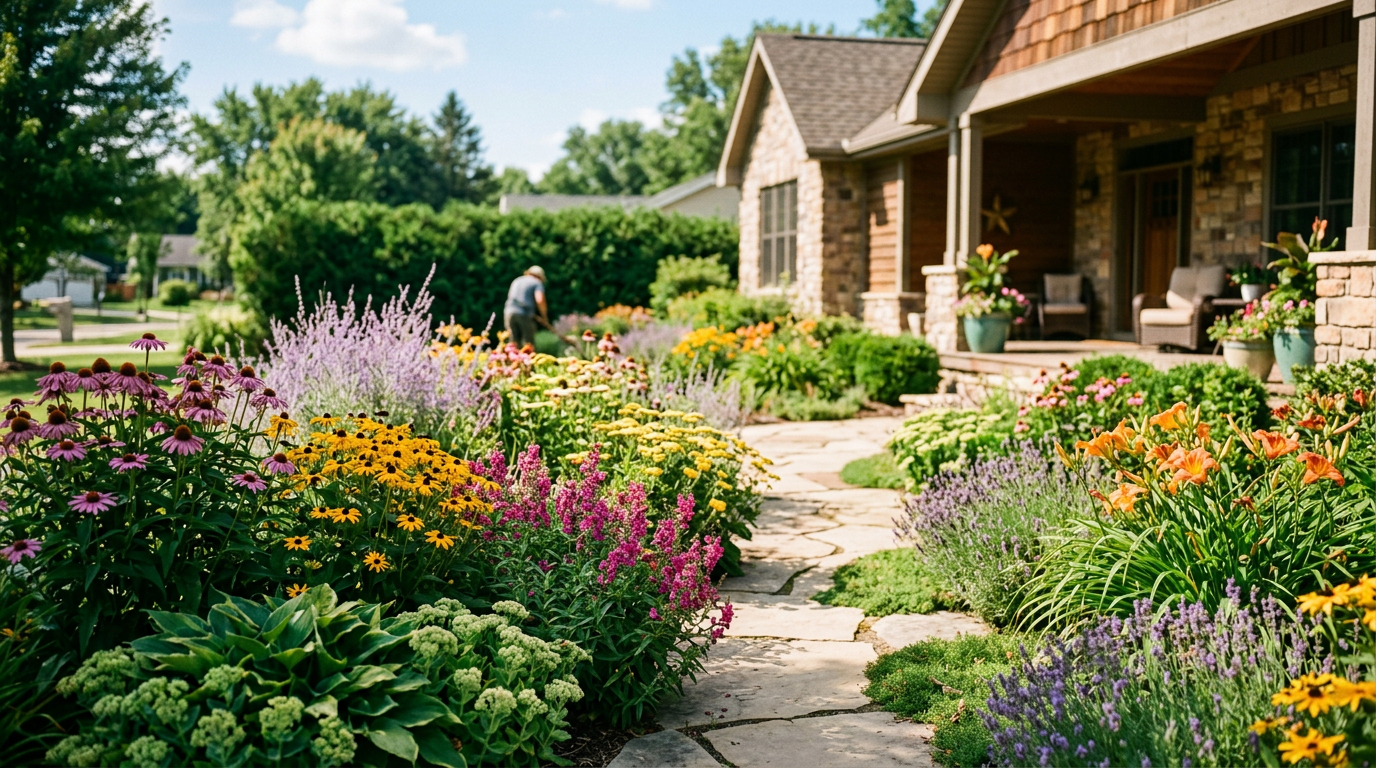
That barren, sun-scorched patch of your yard—you know the one. It fries everything you plant by July, laughs at your water bill, and generally makes you want to give up and install astroturf. Don't. That spot isn't a plant graveyard; it's a golden opportunity.
You just need the right plants. Not delicate divas, but tough-as-nails perennials that see six-plus hours of baking sun as a challenge, not a threat. We're talking about plants that come back bigger and better every year, requiring little from you but a spot to grow. We've compiled a list of our absolute favorite, field-tested, unkillable perennials for full sun. Let's get that sunny spot blooming.
What 'Full Sun' Actually Means (Don't Skip This)
Let's get this straight, because 90% of gardening failures happen right here. "Full sun" is not a vague suggestion. It means a plant needs a minimum of 6 hours of direct, unfiltered sunlight per day.
- Morning sun (before noon) is less intense.
- Afternoon sun (noon to 5 p.m.) is the real scorcher. A plant that wants full sun can handle this, but it will need more water than one getting mostly morning sun.
Use a notepad or your phone's camera to track the sun in your chosen spot for a full day. If it's sunny from 10 a.m. to 4 p.m., congratulations, you have a true full-sun location. If it's more like 3-4 hours, you should be looking at our list of the best shade perennials instead.
Our Criteria for the 'Best' Sun Perennials
We don't just pick pretty faces. Every plant on this list earned its spot by meeting our no-nonsense criteria:
- Drought-Tolerant: Once established (after the first year), these plants can handle periods of dryness without constant life support. This is key for a low-maintenance garden.
- Low-Maintenance: We're not looking for fussy plants. These don't need constant deadheading, staking, or esoteric fertilizers to thrive.
- Long Season of Interest: They either bloom for a long time, have interesting foliage, or provide winter structure. No one-week wonders.
- Pollinator-Friendly: A beautiful garden should be a living one. Most of our picks are magnets for bees, butterflies, and hummingbirds. If that's your goal, check out our guide to native plants for pollinators.
- Reliably Perennial: They actually come back. Reliably. For years. No expensive annuals in disguise here.
The Unkillables: Top Picks for Any Sunny Spot
This is the core of our list. You could plant only from this section and have a stunning, multi-season garden.
Black-Eyed Susan (Rudbeckia hirta)
If you can't grow Black-Eyed Susan, you might need to check if your thumb is painted green. These cheerful, golden-yellow flowers with dark brown centers are the poster child for easy gardening. They bloom from mid-summer until frost.
- Height: 2-3 feet
- Zones: 3-9
Coneflower (Echinacea purpurea)
The classic purple coneflower is a workhorse, but now it comes in a rainbow of colors—white, yellow, orange, and fiery red. They're prairie natives, so they know how to handle heat and drought. Birds love the seed heads in the fall, so leave them standing.
- Height: 2-4 feet
- Zones: 3-8
Salvia (Salvia nemorosa)
For a spike of intense color, nothing beats Salvia. Cultivars like 'May Night' (deep indigo-blue) and 'Caradonna' (vibrant violet) are our go-tos. Shear them back after the first flush of blooms in early summer, and you'll get a second show in the fall.
- Height: 18-24 inches
- Zones: 4-9
Stonecrop (Hylotelephium spectabile 'Autumn Joy')
This is a four-season plant. It emerges in spring as neat clumps of fleshy, succulent leaves. By late summer, it forms large broccoli-like heads that open into dusty pink flowers, aging to a beautiful copper-red in the fall. We leave the dried seed heads for winter interest. It's one of the best drought tolerant plants for landscaping, period.
- Height: 2 feet
- Zones: 3-9
Russian Sage (Perovskia atriplicifolia)
Airy, silvery foliage topped with clouds of lavender-blue flowers from mid-summer to fall. It smells amazing, deer hate it, and it thrives on neglect. Seriously, don't overwater or over-fertilize this one. It wants lean soil and dry feet.
- Height: 3-4 feet
- Zones: 4-9
Yarrow (Achillea millefolium)
We love Yarrow for its flat-topped flower clusters that come in yellow, white, pink, and red. The feathery, fern-like foliage is attractive on its own. It's a fantastic filler plant that bees adore. 'Moonshine' is a classic pale yellow that plays well with others.
- Height: 1-3 feet
- Zones: 3-9
Daylily (Hemerocallis)
Daylilies are the definition of survivability. The reblooming 'Stella de Oro' is famous for a reason, producing golden-yellow flowers all summer. There are thousands of other cultivars in every color imaginable. They'll even handle tough soil conditions, like that heavy, wet clay you've been fighting. If that sounds familiar, we've got more ideas for you in our guide to the best plants for clay soil.
- Height: 1-4 feet
- Zones: 3-9
Shasta Daisy (Leucanthemum x superbum)
For that classic, happy-go-lucky daisy flower, look no further. 'Becky' is a famously robust cultivar that stands tall and produces a blizzard of white flowers in the summer. Keep them deadheaded to encourage more blooms.
- Height: 2-3 feet
- Zones: 5-9
Planting and Care for Sun-Loving Perennials
Planting correctly is half the battle. We learned the hard way in our first test garden that just digging a hole and dropping in a plant is a recipe for disappointment.
-
Soil is Everything: Most of these plants aren't picky, but they hate sitting in waterlogged soil. Before you plant, amend your bed with 2-3 inches of good quality compost. A product like Espoma Plant-tone (a 5-lb bag is about $12) worked into the top 6-8 inches of soil provides a slow-release nutrient source and improves drainage.
-
Water Wisely: New plants need regular water for their first season to establish a deep root system. After that, the rule is to water deeply but infrequently. Let the top couple of inches of soil dry out between waterings. This encourages roots to grow down deep, making the plant more resilient.
-
Mulch is Your Friend: Apply a 2-inch layer of shredded bark mulch or pine straw around your plants. This conserves soil moisture, keeps roots cool, and suppresses weeds. Don't pile it up against the plant stems, as that can cause rot.
Choosing plants adapted to your climate has a real impact. According to the U.S. Forest Service, native and climate-appropriate plants often require significantly less water, fertilizer, and pesticides than non-adapted species. One study showed that native plant gardens can use up to 77% less water than a traditional turf lawn, saving you time, money, and a precious resource. (Source: https://www.fs.usda.gov/wildflowers/pollinators/gardening.shtml)
Taller Perennials for Back-of-the-Border Drama
To create a dynamic garden, you need height. Place these taller plants at the back of your border to create a backdrop for your shorter perennials.
- Joe Pye Weed (Eutrochium purpureum): A native powerhouse that can reach 5-7 feet tall. Its huge, mauve flower heads are a magnet for butterflies in late summer.
- Hollyhock (Alcea rosea): The classic cottage garden spire. They are technically biennials but reseed so readily they function like perennials. They can get up to 8 feet tall.
- Switchgrass (Panicum virgatum): Don't forget ornamental grasses! 'Northwind' is a fantastic variety with a strong, upright form (4-5 feet) that stays standing all winter, providing crucial structure and interest.
Groundcover Perennials for a Living Mulch
Fill in the gaps and suppress weeds with these low-growing, sun-loving groundcovers.
- Creeping Thyme (Thymus serpyllum): A tough, walkable groundcover that releases a lovely scent when crushed. It's covered in tiny pink or purple flowers in early summer.
- Ice Plant (Delosperma cooperi): Don't let the name fool you; this succulent loves heat. It forms a mat of fleshy leaves and is covered in brilliant, iridescent magenta flowers all summer long.
- Creeping Phlox (Phlox subulata): In spring, this plant creates a dense carpet of color—pink, purple, white, or blue—that smothers a sunny bank or rock wall. It's a breathtaking sight.
The key to a successful full-sun garden isn't about fighting the conditions. It's about choosing plants that evolved to thrive in them. With this list, you're not just planting flowers; you're building a resilient, low-effort ecosystem that will reward you for years to come.
Frequently asked
What is the easiest perennial to grow in full sun?+
Daylilies, especially the 'Stella de Oro' variety, are famously easy and nearly indestructible. Black-Eyed Susans (Rudbeckia) are another fantastic choice for beginners, as they thrive on neglect and reseed politely, giving you more flowers for free.
What perennials bloom all summer in full sun?+
For continuous summer color, look to Catmint (Nepeta), Coreopsis 'Zagreb', and reblooming Daylilies. Many varieties of Salvia, like 'May Night', will also provide a second, long-lasting bloom if you shear them back after their first flowering.
How do you prepare a garden bed for full sun perennials?+
Ensure the area gets at least 6 hours of direct sun. Clear all weeds. Then, improve the soil by mixing in 2-4 inches of compost or other organic matter into the top 8 inches. This helps with both water retention and drainage, which is critical for healthy roots.
Can a plant get too much sun, even if it's a 'full sun' plant?+
Yes, especially in very hot climates (USDA Zones 8+). Intense, scorching afternoon sun combined with reflective heat from a wall or pavement can stress even sun-loving plants. In these spots, ensuring consistent moisture or choosing extra-tough plants like Yarrow or Russian Sage is key.