
Best Perennials for Full Sun: Our 20+ Unkillable Picks
Tired of plants that crisp up in the sun? We've compiled the definitive list of tough-as-nails perennials that will fill your sun-blasted yard with color, not disappointment.
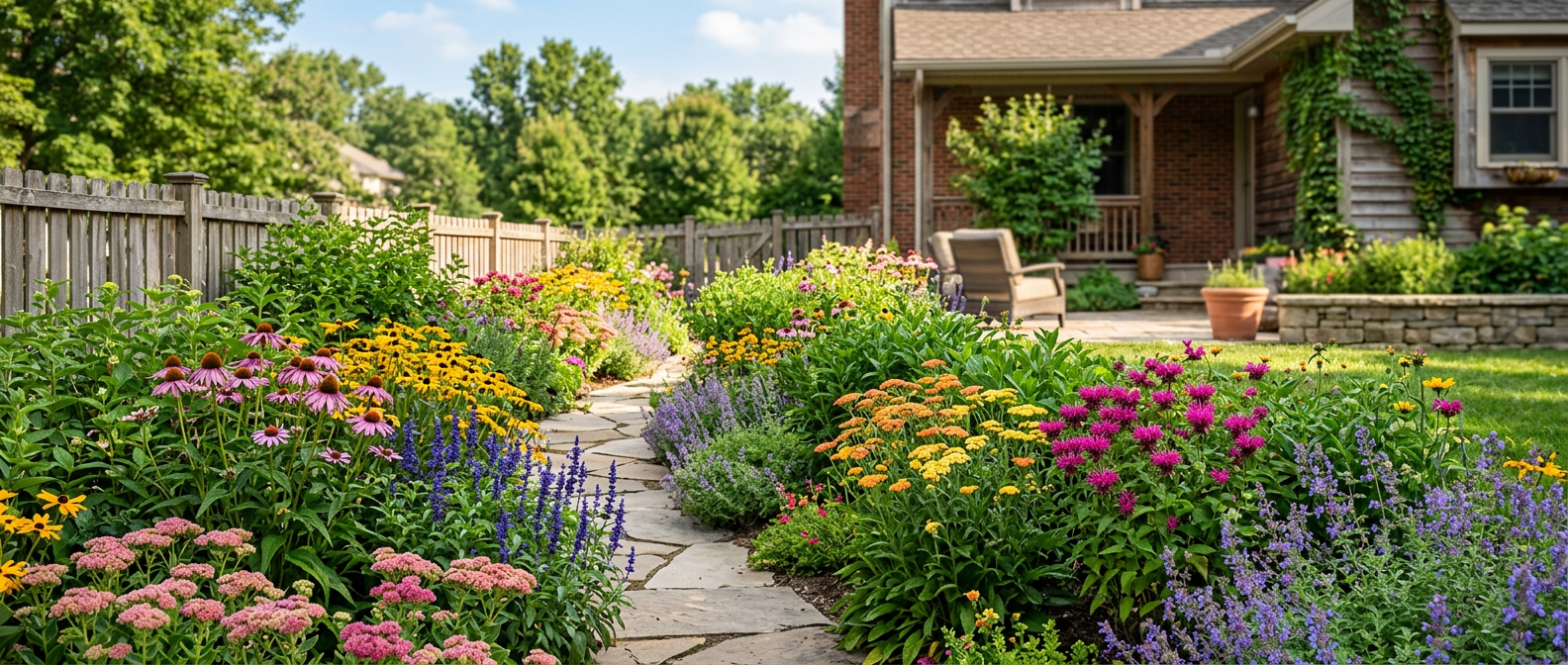
Let's talk about that spot in your yard. You know the one. It's where the sun beats down from 10 AM to 4 PM, where the hose never seems to reach, and where lesser plants go to die. We call it the “solar flare zone.” You might call it a pain in the neck. We’re here to tell you it’s actually a golden opportunity.
That sun-blasted patch is the perfect home for a whole class of powerhouse plants: full-sun perennials. These aren’t delicate flowers that need constant babying. These are tough, beautiful, and reliable plants that come back year after year, bigger and better. They look the sun in the eye and say, “Is that all you’ve got?”
Forget the sad, crispy annuals. We're going to build a garden that thrives on that heat and light. Here are our top picks for perennials that will make you look like a genius, even if you forget to water them for a week.
First, What Exactly is "Full Sun"?
This is important, so we’re getting it out of the way first. In the gardening world, “full sun” isn't just a vibe—it's a specific measurement. It means an area that receives at least 6 hours of direct, unfiltered sunlight per day.
Not dappled light through a tree. Not bright morning shade. We're talking about direct, overhead sun. Many of the plants we list here will happily take 8, 10, or even 12 hours of it. Getting this right is the single most important step. A sun-loving plant in a shady spot will be a lanky, flowerless disappointment. And if you're looking for plants for the darker corners of your yard, we have a whole other list for you. Check out our guide to the The Best Shade Perennials for Low-Maintenance Gardens.
The Long-Blooming Champions
If you want color from late spring until fall, these are your workhorses. They don't just put on a quick show and clock out; they're in it for the long haul.
- Coneflower (Echinacea purpurea): The undisputed king of the sunny border. Classic purple coneflowers are bulletproof, but now you can get them in reds, oranges, whites, and yellows. We love the 'Magnus' for its huge, classic pink-purple flowers and the 'Cheyenne Spirit' mix for a whole rainbow in one seed packet. They’re magnets for butterflies and goldfinches, who will feast on the seed heads in the fall.
- Black-Eyed Susan (Rudbeckia hirta): A golden-yellow beacon of happiness. Rudbeckia starts blooming in mid-summer and doesn't stop until the first hard frost. 'Goldsturm' is the award-winning classic you see everywhere for a reason: it's reliable and forms a perfect, dense clump. Plant a swath of them and watch your garden glow.
- Perennial Salvia (Salvia nemorosa): Forget the floppy annual Salvia. Perennial salvias like 'May Night' (a deep indigo-blue) and 'Caradonna' (violet-blue spikes on dramatic black stems) are structured, upright, and rebloom all summer if you give them a quick haircut after their first flush.
- Coreopsis (Coreopsis verticillata): Also known as Tickseed, this plant is a cloud of cheerful flowers. The 'Moonbeam' variety with its pale-yellow flowers is a classic, but we're partial to 'Zagreb' for its slightly more golden (and we think, tougher) disposition. It’s airy, drought-tolerant, and just plain easy.
The Drought-Proof Kings (and Queens)
These are the plants you put in, water for the first few weeks to get them established, and then basically forget about. They thrive on what others would call neglect. If your garden goal is maximum beauty for minimum effort, start here. Many of these are featured in our list of top Drought Tolerant Plants for Landscaping: Our Top Picks.
- Yarrow (Achillea millefolium): In our test garden, we once had a patch of 'Moonshine' Yarrow that got zero supplemental water during a six-week dry spell. It didn't just survive; it bloomed its head off. The flat-topped flower clusters (in yellow, pink, red, or white) are great for pollinators and look fantastic in cut arrangements, fresh or dried.
- Stonecrop (Sedum): There are two main types, and you want both. The low-growing groundcover types (like 'Angelina' or 'Dragon's Blood') form mats of colorful, succulent foliage. The upright types (like the classic 'Autumn Joy') are a four-season plant: fleshy green leaves in spring, broccoli-like flower heads in summer, big pink flowers in fall, and dried seed heads for winter interest.
- Russian Sage (Perovskia atriplicifolia): If you have a hot, dry, miserable spot, plant Russian Sage. Its silvery-gray foliage and long wands of lavender-blue flowers create a cool, hazy effect from mid-summer on. It smells fantastic and is completely ignored by deer and rabbits. Just give it tons of sun and terrible soil—it will thank you for it.
- Lavender (Lavandula): The fragrance alone is reason enough. English lavender ('Munstead' or 'Hidcote') is the classic choice for Zones 5-8. It needs sharp drainage (think gravel or sandy soil) and hates wet feet. Plant it along a walkway where you'll brush past it.
Pollinator Powerhouses
Want a garden that’s literally buzzing with life? These plants are an all-you-can-eat buffet for bees, butterflies, and hummingbirds. Creating a pollinator-friendly space is one of the most rewarding things you can do, and these sun-lovers make it easy. We go even deeper on this topic in our guide to Native Plants for Pollinators: Your Garden's Upgrade.
- Bee Balm (Monarda didyma): The name says it all. The spiky, tubular flowers are perfectly shaped for bees and hummingbirds. Look for modern cultivars like 'Jacob Cline' (a true red) or the 'Pardon My' series from Proven Winners, which are bred to be more resistant to the powdery mildew that can plague older varieties.
- Catmint (Nepeta faassenii): A much better-behaved and more floriferous cousin of catnip. We're huge fans of the Proven Winners 'Cat's Pajamas' Catmint, which you can find at garden centers for around $24.95. It forms a tidy, low mound of gray-green foliage topped with a cloud of periwinkle-blue flowers for months. The bees go absolutely wild for it.
- Milkweed (Asclepias): If you want to see monarch butterflies, you must plant milkweed. It's the only host plant for their caterpillars. Butterfly Weed (Asclepias tuberosa) is a fantastic choice for sunny gardens, with brilliant orange flowers and a well-behaved clumping habit.
Gardening is big business, and for good reason—it's good for us and the planet. The U.S. lawn and garden market was valued at over $129 billion in 2022, with a huge chunk of that being driven by homeowners looking to create beautiful, sustainable landscapes. Choosing tough, region-appropriate perennials is the smartest way to get your slice of that horticultural pie without breaking the bank or your back. (Source: Grand View Research)
How to Plant for Sun-Proof Success
Even the toughest plants appreciate a good start. Don't just dig a hole and hope for the best.
- Soil is Everything: Most of these plants aren't picky, but they hate sitting in water. If you have heavy clay, you must amend it. Dig a hole twice as wide as the pot and work in a few inches of compost. This improves drainage and gives roots room to grow. This is especially crucial advice if you're working with the soil we describe in Best Plants for Clay Soil: Our Top 50+ Tough Picks.
- Fertilizer: Go Easy. We learned this the hard way. Over-fertilizing sun-lovers can lead to weak, floppy growth and fewer flowers. We mix a handful of a good all-purpose, slow-release organic fertilizer like Espoma Plant-tone (a 5lb bag runs about $15) into the planting hole and that's it for the year. That's all they need.
- Water Deeply, Not Daily: For the first few weeks, water your new plants every few days to help them establish roots. After that, switch to a once-a-week deep soaking. This encourages roots to grow down deep into the soil, making the plant more resilient to drought.
- Mulch is Your Friend: A 2-3 inch layer of wood chip or shredded bark mulch is a game-changer. It holds in moisture, keeps the soil cool, and suppresses weeds. Just be sure to keep the mulch pulled back a few inches from the crown of the plant to prevent rot.
Frequently asked
What perennial blooms all summer in full sun?+
Perennial Salvia (like 'May Night' or 'Caradonna') and certain Coreopsis varieties ('Zagreb') are excellent choices. With a quick mid-season shearing after their first bloom, they will re-flower vigorously right up until frost, providing continuous color in the hottest part of your garden.
What is the lowest maintenance perennial for sun?+
Upright Sedum (like 'Autumn Joy') is a top contender. It's a succulent that thrives on neglect, tolerates drought and poor soil, and requires virtually no care once established. Russian Sage is another excellent choice for hot, dry spots, needing little more than an annual haircut in spring.
What flowers can take intense heat?+
Yarrow (Achillea), Gaillardia (Blanket Flower), and Russian Sage are built for intense heat. Their foliage is often silvery or fuzzy, which helps reflect sunlight and reduce water loss. These plants will continue to bloom even through the hottest, driest weeks of summer.
How do you start a perennial sun garden?+
Start by observing your light to confirm you have 6+ hours of sun. Then, amend your soil with compost to improve drainage and fertility. Choose a few varieties of tough plants like Coneflower, Sedum, and Black-Eyed Susan. Plant them, mulch well, and water regularly for the first year.
Can I just scatter perennial seeds in a sunny spot?+
While tempting, it's not the most effective method. For best results, start seeds indoors or buy young plants. This ensures they are strong enough to compete with weeds and establish a healthy root system. Some natives, like certain coneflowers, may re-seed themselves once established.