
Best Perennials for Full Sun: Our Top 20+ Picks
Stop sinking money into plants that can't take the heat. Here are our field-tested, no-nonsense picks for the best perennials for full sun.
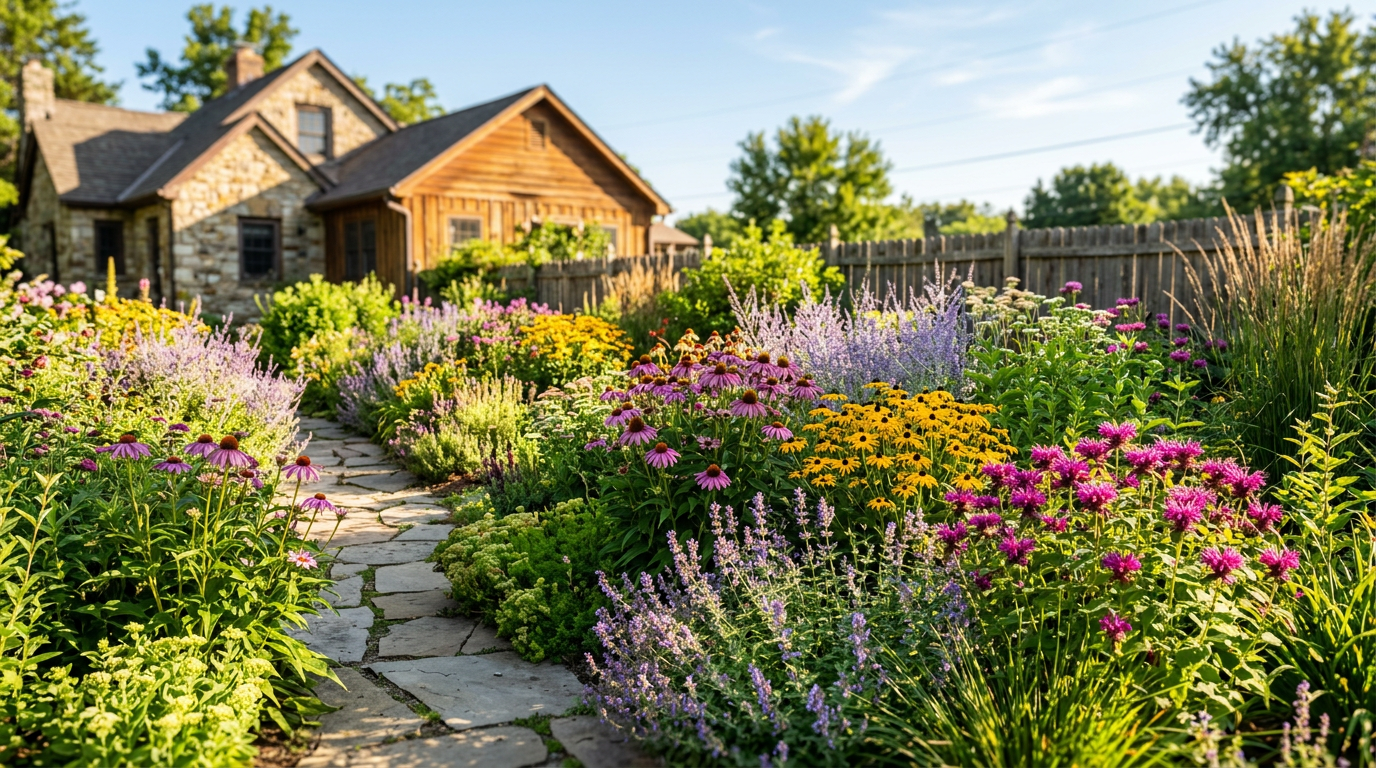
Let's get one thing straight: a sunny spot in your yard is a gift, not a curse. But it can feel like a curse when every plant you put there shrivels into a sad, crispy brown memory. We've been there. You spend money at the garden center on plants labeled "full sun," only to watch them get absolutely torched by July.
The problem isn't the sun; it's choosing the wrong plants. Forget the delicate divas. You need the battle-tested warriors, the plants that look at a cloudless 95-degree day and say, "Bring it on." We're here to give you that list. These are the perennials we use in our own gardens and for our clients—the ones that actually work.
What "Full Sun" Actually Means
Before you spend a dime, let's clear this up. "Full Sun" on a plant tag universally means the plant requires a minimum of six hours of direct, unfiltered sunlight per day to thrive. Not dappled light through a tree. Not bright shade. We're talking about direct-on-your-face, I-need-sunglasses sunlight.
But not all sun is created equal. Six hours of gentle morning sun (from 7 a.m. to 1 p.m.) is much less intense than six hours of punishing afternoon sun (from noon to 6 p.m.). That west-facing wall that reflects heat can be a death zone for less-sturdy plants. When you're assessing your space, pay attention to when the area gets its sun. The plants on this list can handle the tough stuff, but it's a critical piece of information for any gardener.
Our Top Picks: The Unkillable Sun Worshippers
We've killed a lot of plants over the years so you don't have to. Here are the ones that not only survive, but look fantastic doing it. We've grouped them by when they put on their best show.
For Early-to-Mid Summer Color
- Salvia (Salvia nemorosa): If you plant one thing from this list, make it Salvia. The spikes of purple, pink, or white flowers are magnets for bees and butterflies. Varieties like 'Caradonna' ($19.99 for a 1-gallon pot) or 'May Night' are bulletproof. Shear them back after the first flush of blooms, and they'll often rebloom later in the summer.
- Catmint (Nepeta x faasseniana): Don't confuse this with catnip. 'Walker's Low' is the industry standard for a reason. It forms a tidy mound of gray-green foliage topped with a cloud of lavender-blue flowers for months. In our Zone 6b trial garden, we've had it bloom for nearly four months straight. It's drought-proof, deer-resistant, and asks for nothing.
- Creeping Phlox (Phlox subulata): For a carpet of early spring color, nothing beats Creeping Phlox. It forms a low-growing mat that explodes in pink, purple, or white flowers. Perfect for the front of a border or cascading over a rock wall. An 18-count flat of 'Emerald Blue' plugs might run you about $50-$60, but it will cover a huge area in a few seasons.
For Mid-Summer Showstoppers
- Coneflower (Echinacea purpurea): The absolute icon of the sunny perennial garden. The classic purple is a must-have, but newer varieties like 'Cheyenne Spirit' offer a mix of sunset tones in a single plant. They are drought-tolerant, great for pollinators, and leave behind seed heads that feed goldfinches in the winter. As a bonus, many are native, which we always champion. Find more ideas in our guide to native plants for pollinators.
- Black-Eyed Susan (Rudbeckia fulgida): Specifically, the 'Goldsturm' variety. This plant is a workhorse, pumping out golden yellow, daisy-like flowers from July until frost. It spreads politely to form a substantial, weed-choking clump. You can't kill it. We've tried.
- Yarrow (Achillea millefolium): If your soil is poor, dry, and generally inhospitable, Yarrow will love it. The ferny foliage is beautiful on its own, and the flat-topped flowers (in shades of yellow, pink, white, and red) are perfect for cutting. 'Coronation Gold' is a classic bright yellow that stands tall.
For Late Season Glory & Winter Interest
- Stonecrop (Hylotelephium spectabile): You probably know it as Sedum. 'Autumn Joy' is the ubiquitous classic, and for good reason. It looks good for four seasons: emerging as neat rosettes in spring, forming broccoli-like heads in summer, blooming pink in fall, and drying to a beautiful russet brown for winter interest. We learned the hard way that it will flop if the soil is too rich—it prefers to be neglected.
- Russian Sage (Perovskia atriplicifolia): When other plants are flagging in the August heat, Russian Sage is just hitting its stride. The silvery foliage and airy spikes of purple flowers are a stunning combination. It demands good drainage and lots of sun. Give it room, as it likes to spread out.
Planting for Success: It's Not Rocket Surgery
You've got the plants. Now don't screw up the easiest part. The mantra is "right plant, right place," but a close second is "don't just plop it in a hole."
- Dig a Proper Hole: Dig a hole twice as wide as the pot and just as deep. A good rule of thumb is to have the top of the plant's root ball sit level with or even slightly above the surrounding soil.
- Amend Your Soil: Unless you've won the lottery of loamy soil, you need to amend. Mix in a few shovelfuls of compost with the dirt you dug out of the hole. This helps with drainage and adds nutrients without being too rich.
- Water Wisely: The biggest mistake we see is a daily sprinkle. This encourages shallow, weak roots. When you do water (especially in the first year), water deeply and infrequently. Let the soil dry out a bit between waterings. This tells the roots to go deep in search of moisture, making the plant more resilient.
- Mulch, Mulch, Mulch: Apply a 2-3 inch layer of organic mulch (like shredded bark or leaf mold) around your new plants, keeping it away from the crown (the base of the stem). Mulch conserves moisture, keeps roots cool, and suppresses weeds. It's a non-negotiable.
Stats That Matter: You're Building an Ecosystem
A sunny garden isn't just for looks; it’s an environmental act. According to the Pollinator Partnership, about 75% of the world's flowering plants and about 35% of the world's food crops depend on animal pollinators to reproduce. By planting nectar-rich perennials like Coneflower, Salvia, and Rudbeckia, you're not just making your yard pretty—you're creating a vital refueling station for bees, butterflies, and hummingbirds that support the entire food web. (Source: https://www.pollinator.org/pollinators).
Easy Pest Control (Because Who Has the Time?)
The best part about these tough perennials? They largely fend for themselves. But if you do run into trouble, the solutions are simple.
- Powdery Mildew: See some white, dusty-looking stuff on the leaves of your Phlox or Bee Balm? It's likely powdery mildew. The cause is usually poor air circulation. The fix for next year is to give your plants more space. For now, you can try to remove the worst leaves, and make sure you're watering the soil, not the foliage.
- Aphids: A cluster of tiny bugs on new growth? Aphids. You can often just blast them off with a strong jet of water from the hose. If they persist, a bottle of Bonide Insecticidal Soap concentrate is about $15 and will last you for years. Follow the directions. It's safe and effective.
Designing the Garden Bed
Okay, let's put it all together. A pile of great plants does not a garden make. Design is what separates a chaotic jumble from a stunning landscape. Luckily, the rules are simple.
- Work in Layers: Tallest in the back, shortest in the front. Russian Sage and taller ornamental grasses go in the back layer. Coneflowers and Black-Eyed Susans in the middle. Catmint, Lamb's Ear, and Creeping Phlox go at the very front edge.
- Repeat, Don't Polka Dot: Resist the urge to buy one of everything. It leads to a messy, polka-dot look. Instead, buy plants in groups of 3, 5, or 7 (odd numbers look more natural) and repeat those groupings down the length of the border. This creates rhythm and a cohesive, professional look.
- Mix Textures and Forms: This is the pro secret. Place a spiky-flowered plant (Salvia) next to a daisy-shaped one (Coneflower). Put a fine-textured plant (Yarrow foliage) next to a coarse-textured one (Lamb's Ear). This contrast creates visual interest even when things aren't in bloom.
Starting a new bed from scratch can feel daunting, but the bed-prep and layout principles are the same everywhere, even if you are learning how to start a vegetable garden. And once you've conquered your sunny spots, you can apply these same design ideas to the dark corners of your yard with some of the best shade perennials. Mastering your whole yard, piece by piece—that's the goal.
Frequently asked
What is the lowest maintenance perennial for full sun?+
It's a toss-up between Sedum 'Autumn Joy' and Catmint 'Walker's Low'. Both are incredibly drought-tolerant once established, have few pest problems, and don't need fussy deadheading to look good. Just plant them in a sunny spot with good drainage and mostly leave them alone.
What flowers bloom all summer in full sun?+
For non-stop summer blooms, look to Catmint (Nepeta), Coreopsis 'Zagreb', and certain Salvias like 'Caradonna' which rebloom if cut back. Black-Eyed Susans also have an incredibly long bloom period, often starting in mid-summer and flowering right until the first frost.
Can you have too much sun for a 'full sun' perennial?+
Yes. A 'full sun' label usually assumes 6-8 hours. In scorching hot climates like the desert Southwest, 12 hours of relentless sun can stress even tough plants. In these extreme conditions, providing a little afternoon shade or ensuring consistent moisture can make a huge difference.
How do I prepare my soil for sun perennials?+
Most sun perennials demand good drainage and hate 'wet feet.' The best preparation is to amend your native soil with a few inches of compost. This improves soil structure and adds nutrients. Avoid overly rich soil, which can cause plants like Yarrow or Sedum to grow leggy and flop.